
Plants Toxic to Dogs & Cats in Australia (Safety Guide)

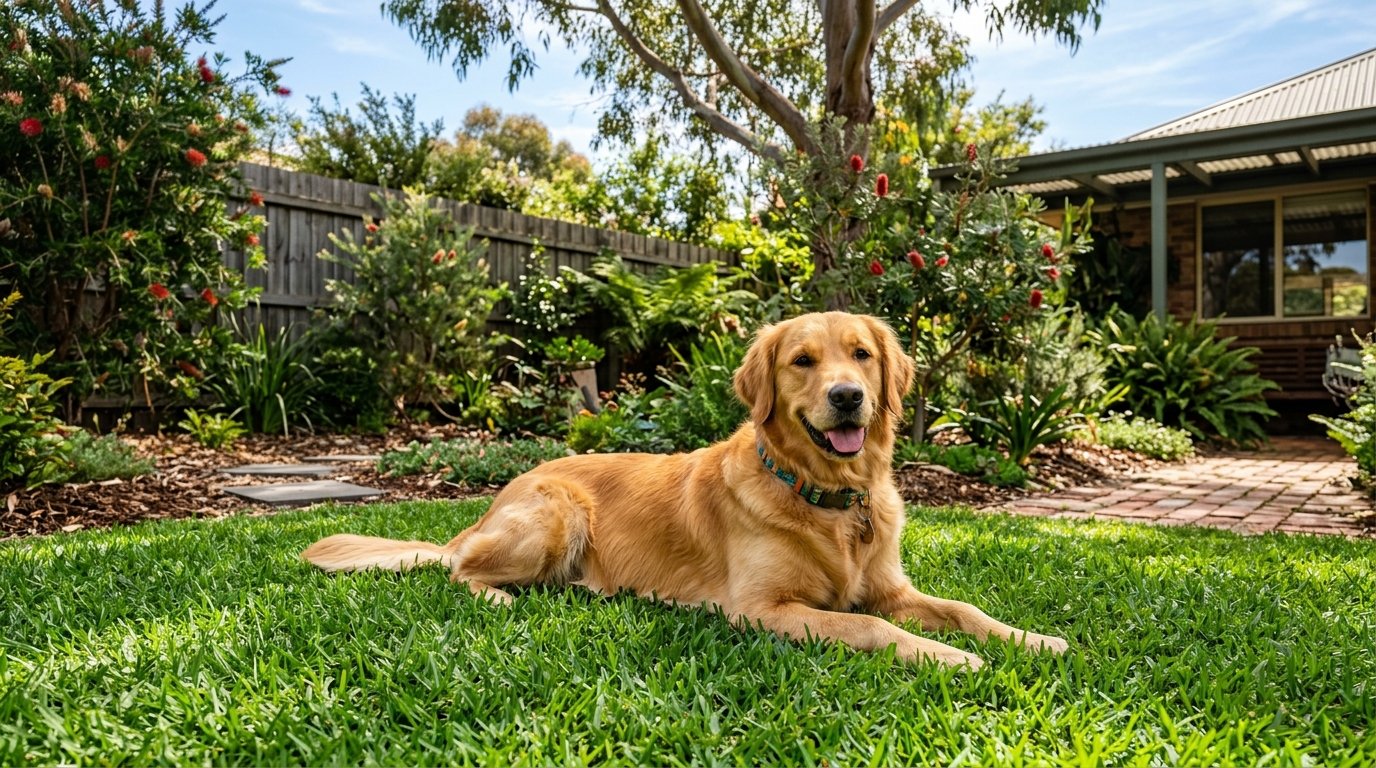
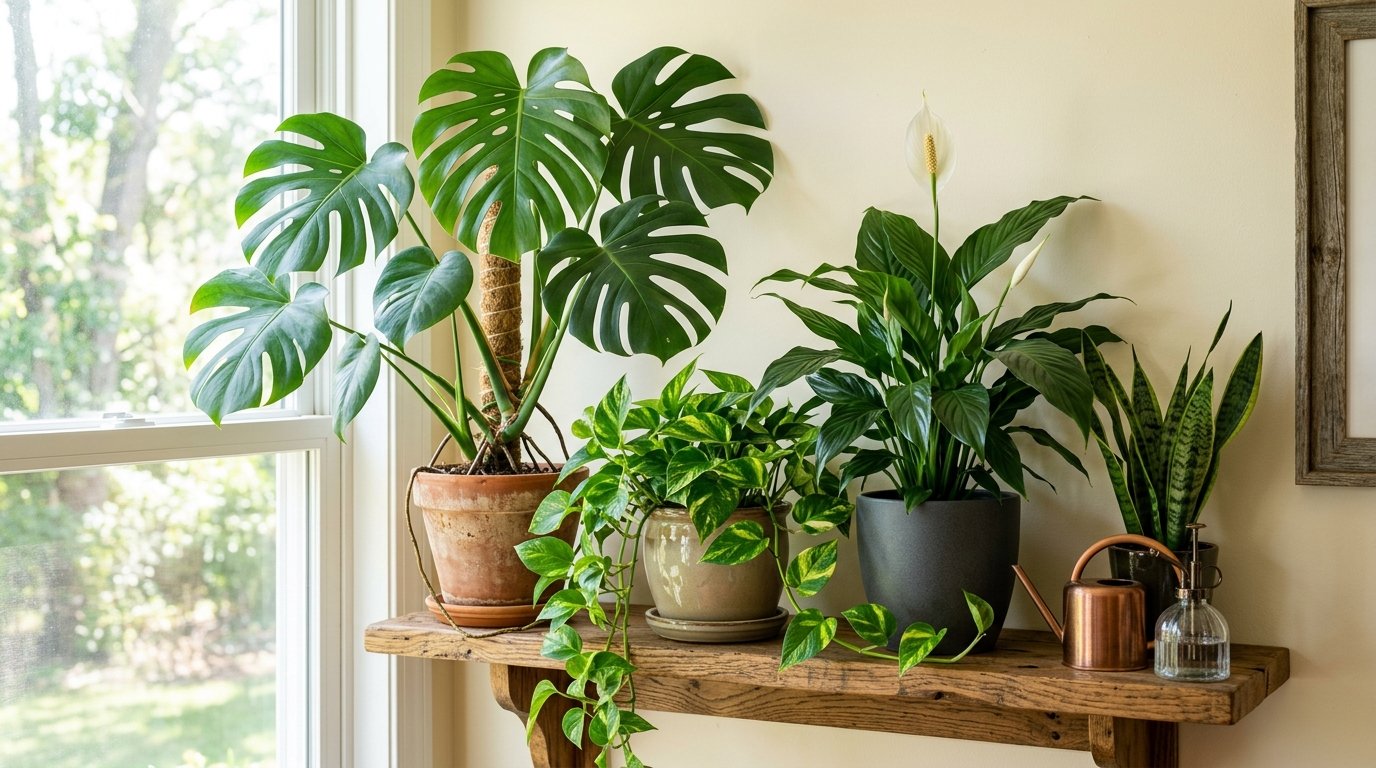
Popular but toxic indoor plants: see our care guides for Devil’s Ivy (pothos) and the peace lily.
Many common Australian garden and indoor plants are toxic to dogs and cats — including lilies (deadly to cats), oleander, brunfelsia (yesterday-today-tomorrow), cycads/sago palm, azaleas, daffodil and other bulbs, and philodendron and other popular houseplants. Most cause vomiting, drooling and stomach upset, but a few are genuinely life-threatening. This guide is a quick-reference hub to the plants pet owners most need to watch, with links to our detailed safety guides for the big ones.
Important: this is general information, not veterinary advice. If you think your pet has eaten a toxic plant, contact your vet or an animal poisons line immediately — do not wait for symptoms. When in doubt, treat it as an emergency.
If your pet has eaten a plant — act first
Before anything else: if you suspect your dog or cat has eaten part of a toxic plant, call your vet or an animal poisons helpline straight away. Take a sample or photo of the plant if you can. Early action matters far more than watching to see if symptoms appear.
The most dangerous ones to know
| Plant | Risk | Especially dangerous to |
|---|---|---|
| Lilies (true lilies & daylilies) | Severe — kidney failure | Cats |
| Oleander | Severe — affects the heart | Dogs & cats |
| Cycad / Sago palm | Severe — liver damage | Dogs & cats |
| Brunfelsia (yesterday-today-tomorrow) | Severe — seizures | Dogs |
| Azalea / Rhododendron | Serious | Dogs & cats |
| Daffodil & spring bulbs | Serious (bulbs worst) | Dogs & cats |
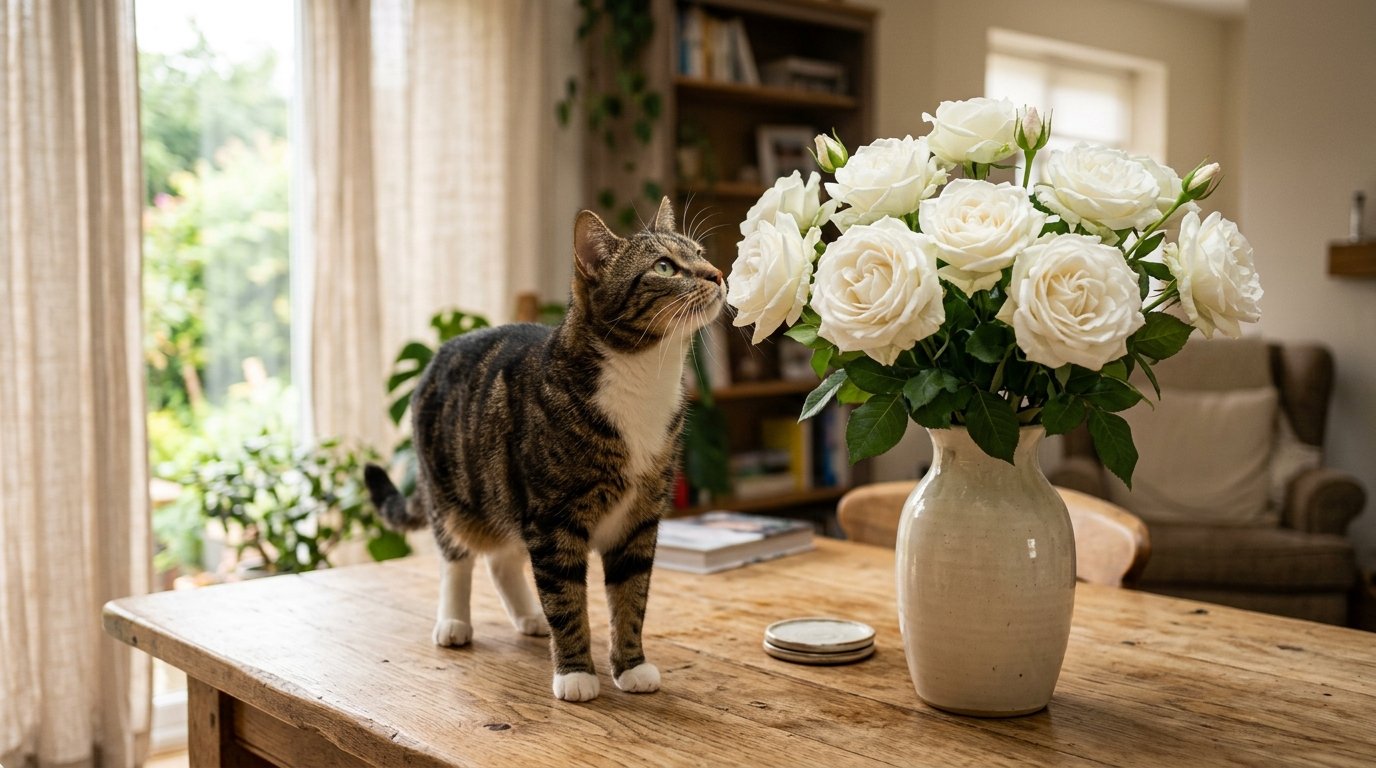
Lilies — the number one cat danger
True lilies and daylilies are extremely toxic to cats, capable of causing fatal kidney failure from even small exposures — including pollen, petals, leaves or the water in a vase.
If you have cats, the safest approach is to avoid true lilies entirely, both in the garden and in cut-flower arrangements brought into the house.
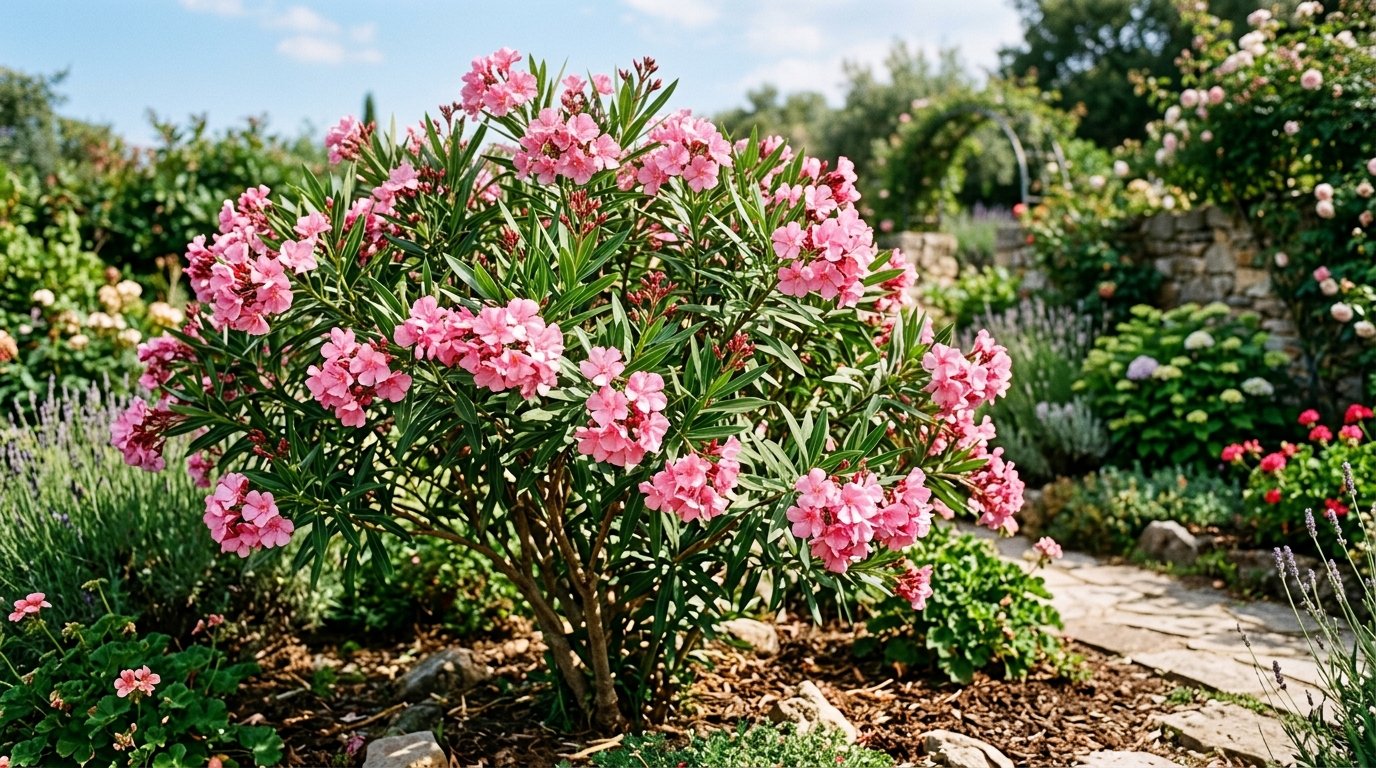
Oleander
Oleander is a common, tough Australian hedging plant, but all parts are highly toxic to pets (and people). It affects the heart and is dangerous even in small amounts.
If you have pets and children, this is a plant to think carefully about, and to keep clippings well away from animals.
Cycads and sago palm
Cycads, including the sago palm, are highly toxic to dogs and cats, with the seeds being especially dangerous. They can cause severe liver damage. Dogs sometimes chew the seeds, so these plants deserve real caution in a pet household.
Brunfelsia (yesterday-today-tomorrow)
This popular fragrant shrub, named for its flowers that fade from purple to white, is toxic to dogs — the seed pods and fruit especially — and can cause serious neurological signs including seizures. Dogs are the main victims because they dig up and chew the fruit.
Common ones that cause stomach upset
Many popular plants are not deadly but will make a pet unwell — typically vomiting, drooling, mouth irritation or diarrhoea:
- Philodendron, monstera, pothos/devil’s ivy, dieffenbachia, peace lily — contain irritating crystals that cause mouth pain and drooling;
- Nandina (sacred bamboo) — the berries are a concern for pets and birds;
- Golden cane palm — a popular indoor/screening palm to be aware of around pets;
- Hydrangea, agapanthus, ivy, tomato leaves — commonly cause stomach upset.
For the ones we cover in depth, see our detailed guides: is Nandina poisonous to dogs, cats and birds, and our golden cane palm guidance in golden cane palm problems and golden cane growth and care.
Indoor plants pet owners often miss
Some of the most popular houseplants are mildly to moderately toxic — pothos (devil’s ivy), monstera, philodendron, peace lily and dieffenbachia all contain calcium-oxalate crystals that irritate the mouth and throat.
They rarely kill a pet but cause real discomfort. If you keep these indoors, position them out of reach of cats that chew foliage.
Alocasia belongs in the same caution group: its tissues contain irritating calcium-oxalate crystals, so pet households should keep it out of reach; our Alocasia growing and care guide covers safe positioning as well as routine care.
Symptoms to watch for
Signs a pet may have eaten something toxic include:
- drooling, mouth pawing or difficulty swallowing;
- vomiting or diarrhoea;
- lethargy or weakness;
- tremors, twitching or seizures;
- changes in drinking, urination or appetite;
- collapse.
Any of these after possible plant contact warrants an immediate call to your vet.
How to make a pet-safer garden
- identify and remove or fence off the most dangerous plants (lilies, oleander, cycads, brunfelsia);
- keep cut flowers — especially lilies — out of reach, and never leave the vase water accessible to cats;
- clear fallen seeds, pods and bulbs, which are often the most toxic part;
- supervise pets that dig or chew, and provide safe chew alternatives;
- store bulbs and clippings securely.
Safer plant choices exist
Plenty of attractive plants are considered non-toxic or low-risk for pets. If you are replanting a pet-friendly garden, choose from known pet-safe species and keep the dangerous ones out — a quick check before buying is far easier than an emergency vet visit later.
If you want bold indoor foliage without choosing another calcium-oxalate plant, Calathea is a useful pet-safer alternative; see our Calathea care guide before choosing the position and variety.
This is a safety reference, not a diagnosis
Toxicity varies with the plant, the part eaten, the amount and the size of the animal, and this guide cannot cover every plant or situation. Use it to be aware and to plan a safer garden — but for any actual or suspected poisoning, your vet or an animal poisons line is the right and immediate call.
Frequently asked questions
What plants are most dangerous to cats in Australia?
True lilies and daylilies are the most dangerous to cats and can cause fatal kidney failure from even small exposures, including pollen and vase water. Oleander, cycads and sago palm are also severe. If you have cats, avoid true lilies entirely, both in the garden and in cut-flower arrangements brought indoors. Contact a vet immediately if exposure is suspected.
What garden plants are toxic to dogs?
Dogs are commonly harmed by brunfelsia (yesterday-today-tomorrow), cycads and sago palm seeds, oleander, azaleas, and spring bulbs such as daffodils. Many popular houseplants like philodendron, monstera and pothos cause mouth irritation and drooling. Dogs are especially at risk because they dig up and chew seeds, pods and bulbs, which are often the most toxic parts.
My pet ate a plant — what should I do?
Call your vet or an animal poisons helpline straight away, and take a sample or photo of the plant if you can. Do not wait to see whether symptoms develop, because early action matters far more than watching. When in doubt, treat it as an emergency. This guide is general information and not a substitute for immediate veterinary advice.
Are lilies really that dangerous to cats?
Yes. True lilies and daylilies are extremely toxic to cats and can cause fatal kidney failure from very small exposures, including licking pollen off their fur or drinking water from a vase that held lilies. Cat owners should avoid true lilies completely. If your cat has any contact with a lily, contact your vet immediately rather than waiting for symptoms.
Are indoor plants like monstera and pothos toxic to pets?
They are mildly to moderately toxic. Pothos (devil’s ivy), monstera, philodendron, peace lily and dieffenbachia contain calcium-oxalate crystals that irritate the mouth and throat, causing drooling and discomfort. They rarely kill a pet but cause real distress, so position them out of reach of cats and dogs that chew foliage.
What symptoms mean my pet may be poisoned by a plant?
Watch for drooling, mouth pawing, vomiting or diarrhoea, lethargy or weakness, tremors, twitching or seizures, changes in drinking or appetite, and collapse. Any of these after possible contact with a toxic plant warrants an immediate call to your vet. Because some plants act quickly, do not delay seeking advice while monitoring symptoms.
How do I make my garden safer for pets?
Identify and remove or fence off the most dangerous plants such as lilies, oleander, cycads and brunfelsia, keep cut flowers and vase water out of reach, and clear fallen seeds, pods and bulbs, which are often the most toxic parts. Supervise pets that dig or chew, store bulbs and clippings securely, and choose known pet-safe species when replanting.
Is nandina or golden cane palm safe for pets?
Nandina berries are a concern for dogs, cats and birds, and golden cane palm is a plant to be aware of around pets. We cover both in detail in dedicated safety guides. In general, check any plant before adding it to a pet household, and if your pet eats part of one, contact your vet rather than assuming it is harmless.


