
How Often to Water Your Garden in an Aussie Summer

In an Australian summer, water most established gardens deeply two to three times a week rather than a little every day — deep, less frequent watering drives roots down and builds drought resilience, while daily sprinkles keep roots shallow and weak. New plants, pots and vegetables need more; established natives and lawns need less. The single most useful habit is to water in the early morning, deeply, and to check the soil before watering rather than following a fixed schedule.
There is no one-size-fits-all frequency, because it depends on your soil, plants, containers and the weather. But the principles are simple and, once you understand them, you will water less often, use less water, and grow tougher plants.
The golden rule: deep and infrequent
The most important principle of summer watering is to water deeply but less often.
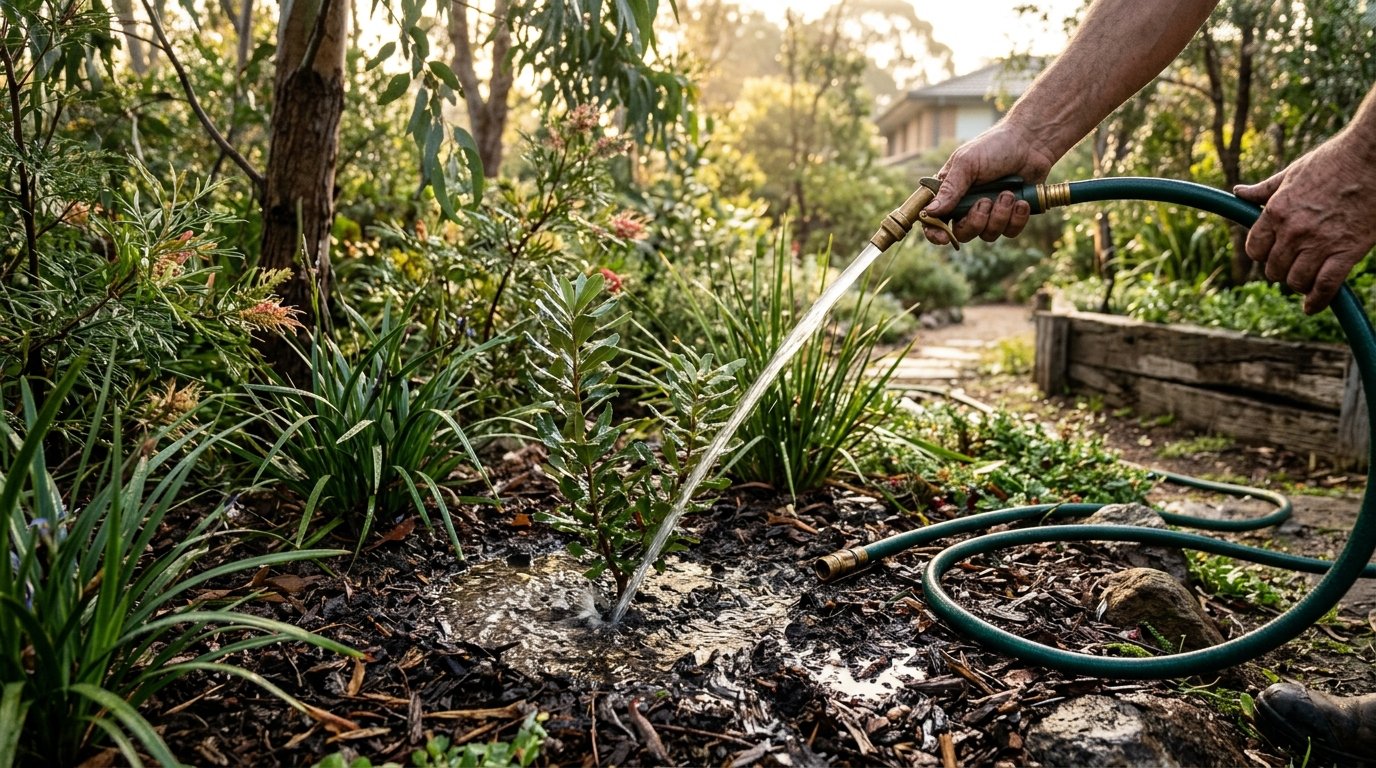
Deep watering soaks the soil so moisture reaches down to the lower roots. This encourages roots to grow deep, where the soil stays cooler and moister, making plants far more drought-tolerant.
Frequent shallow watering does the opposite — it keeps roots near the hot, fast-drying surface, so the plant becomes dependent on constant watering and suffers the moment you stop.
How often, really?
As a general guide for established plants in summer:
| Plant type | Rough summer frequency |
|---|---|
| Established garden beds & shrubs | Deeply 2–3 times a week |
| Established lawns | Deeply 1–3 times a week |
| Established drought-tolerant natives | Often little or none once established |
| New plants (first summer) | More often — they have shallow roots |
| Pots & containers | Often daily in heat — they dry fast |
| Vegetables | Frequent, consistent moisture |
Treat these as starting points, not rules — adjust to your soil, weather and plants.
Water in the early morning
Early morning is the best time to water in summer.
- The plant is hydrated before the heat of the day;
- less water is lost to evaporation than at midday;
- foliage dries during the day, reducing fungal disease compared with evening watering that leaves leaves wet overnight.
If mornings are impossible, early evening is the next best option — but avoid wetting foliage late at night.
Check the soil before you water
The best waterers respond to the soil, not the calendar.
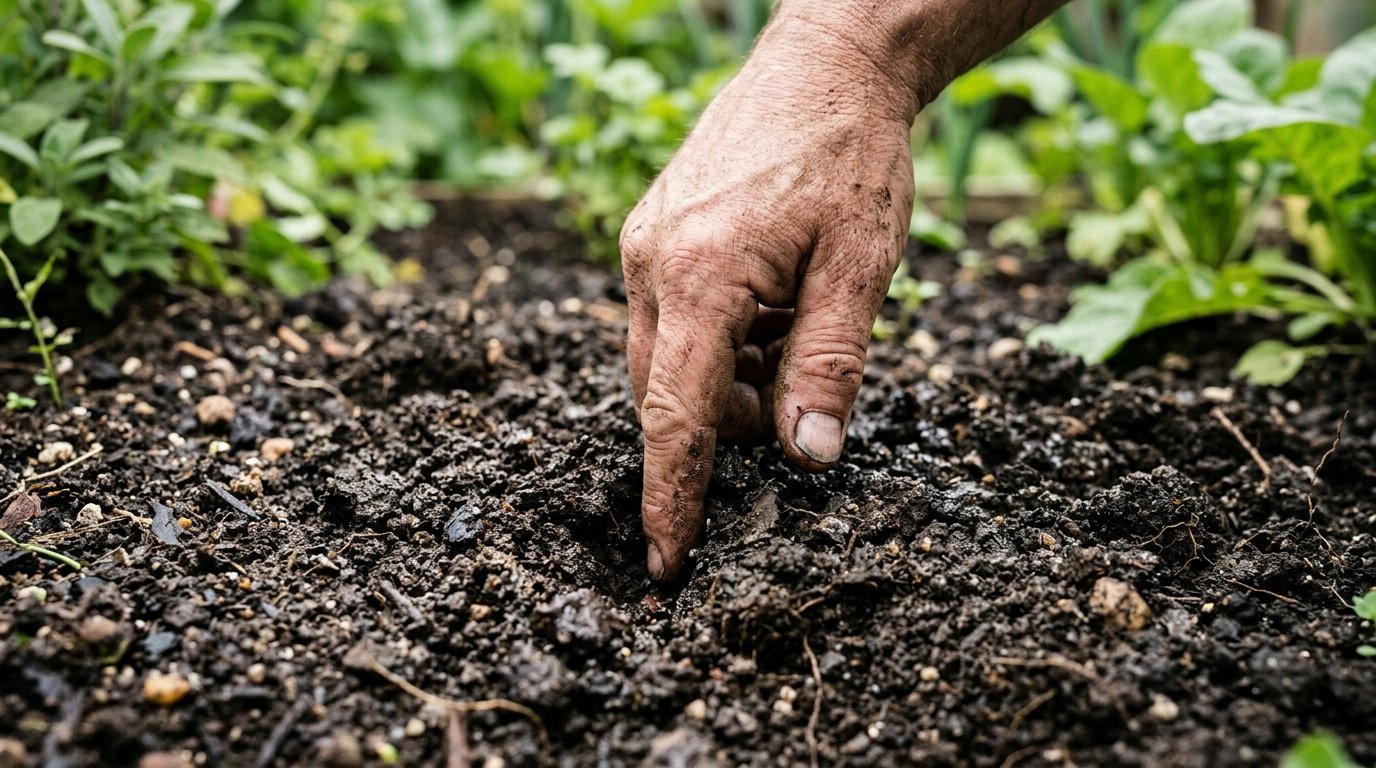
Before watering, push a finger or a screwdriver into the soil. If it is still moist a few centimetres down, wait. If it is dry into the root zone, water deeply.
A soil moisture meter makes this even easier and helps you avoid the most common mistake — watering a garden that is already wet.
Soil type changes everything
Your soil dramatically affects how often to water:
- Sandy soil drains fast and dries quickly — needs more frequent watering;
- Clay soil holds water longer — needs less frequent but careful watering to avoid waterlogging;
- Improved, well-mulched soil holds moisture best of all.
Improving your soil with organic matter and mulching heavily are the two best things you can do to reduce how often you need to water.
Mulch is your best friend in summer
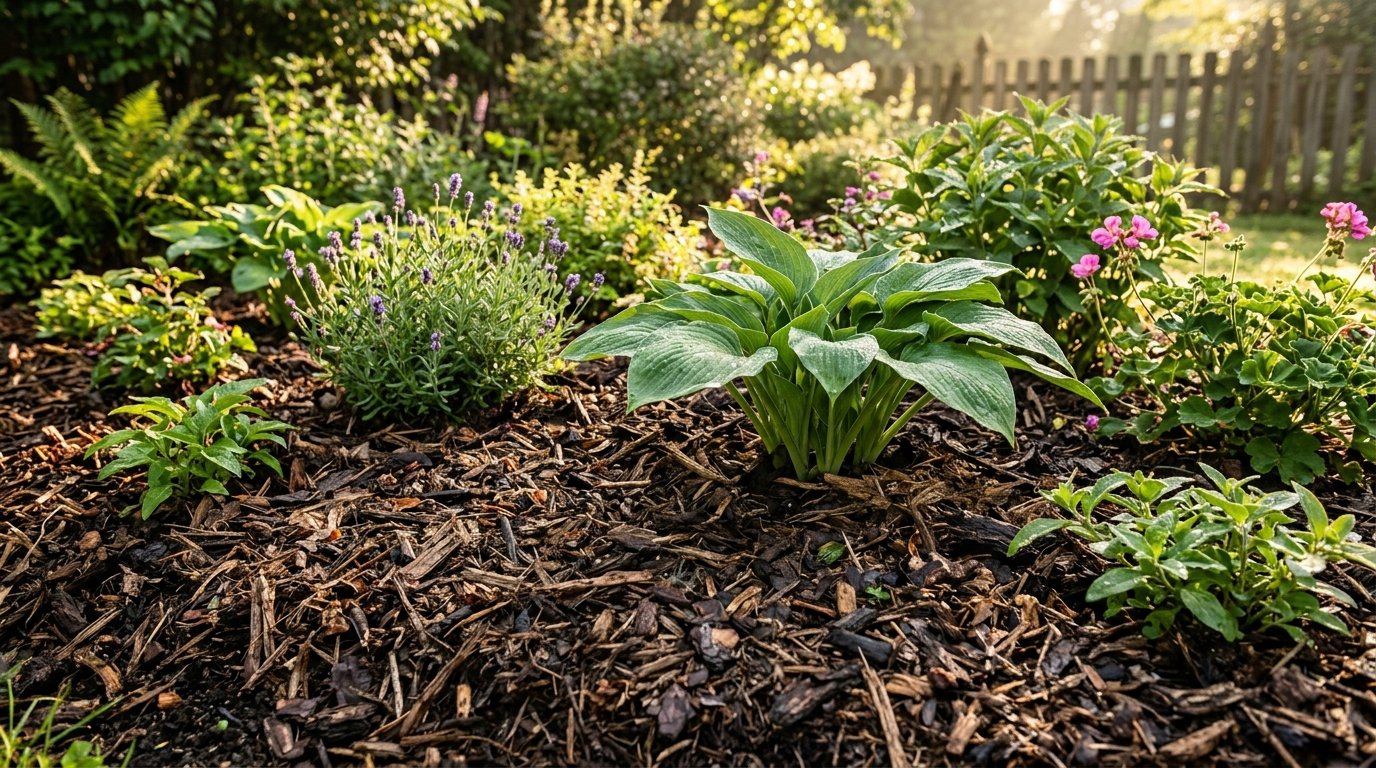
A good layer of mulch dramatically reduces water loss by shading the soil, slowing evaporation and keeping roots cooler.
Mulched gardens need watering far less often than bare soil. If you do one thing to cut your summer watering, mulch well. Our mulch guide and calculator helps you work out how much you need.
Don’t forget pots dry out fastest
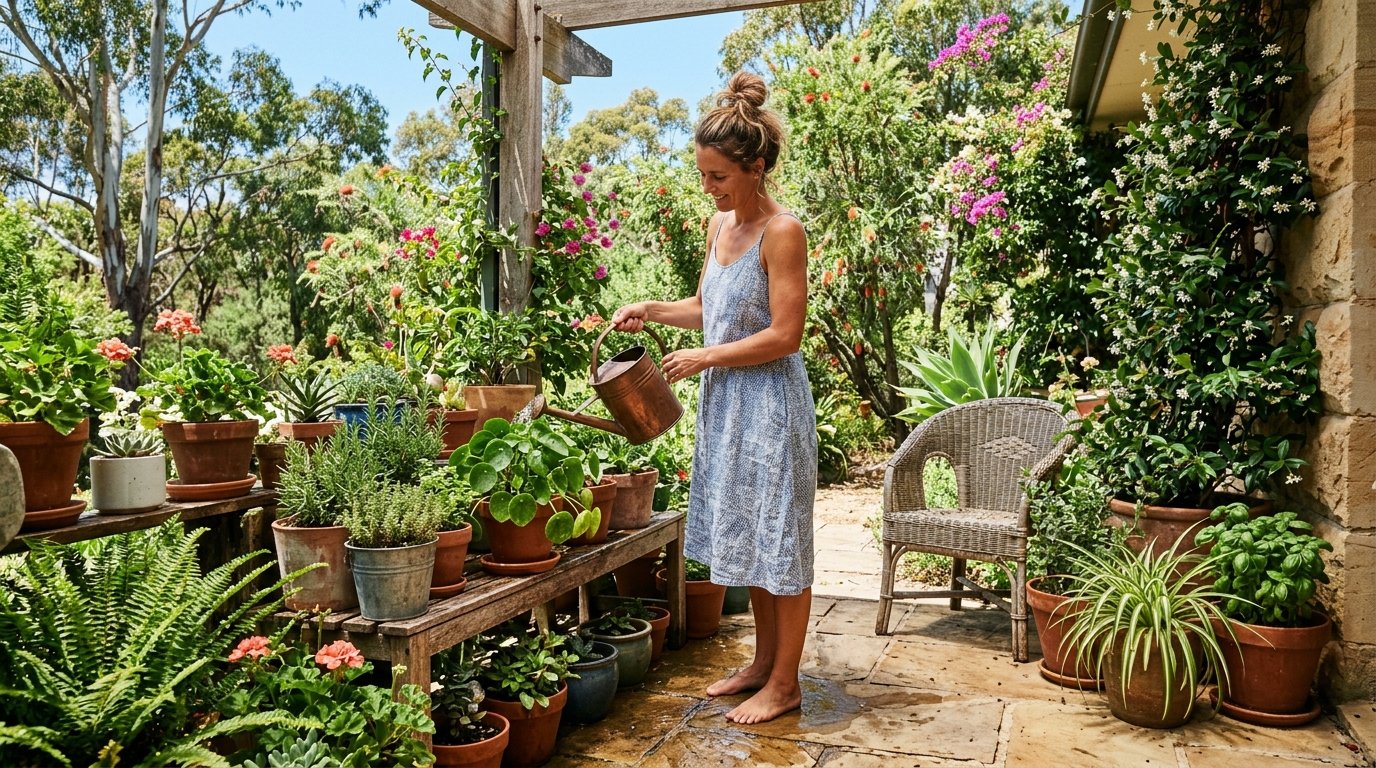
Containers heat up and dry out much faster than garden beds, and in a heatwave many pots need watering daily — sometimes twice a day for small or terracotta pots in full sun.
Check pots more often than beds, group them together to create a cooler microclimate, and consider moving vulnerable ones out of the fiercest afternoon sun.
New plants need extra care
Anything planted in its first summer has a small, shallow root system and cannot yet reach deeper moisture. New plants, including new lawns and hedges, need more frequent watering than established ones until their roots develop.
This is the period when most new plants are lost — not to neglect over years, but to drying out in their first few hot weeks.
Make watering easier and more efficient
The right equipment turns summer watering from a chore into a quick, water-wise routine:
- a good garden hose that reaches the whole garden and does not kink;
- a tap timer or irrigation controller so beds are watered deeply and consistently even when you are away;
- a hose reel to keep it all tidy and protected;
- drip irrigation to deliver water straight to the roots with minimal evaporation.
A timer set to water deeply in the early morning, a couple of times a week, is one of the simplest ways to keep a summer garden healthy while saving water.
Signs you are getting it wrong
| Sign | Likely issue |
|---|---|
| Wilting, dry crunchy leaves, dry soil | Underwatering |
| Yellowing, soft growth, constantly wet soil | Overwatering |
| Wilting despite wet soil | Root problems / overwatering, not thirst |
| Fast-drying pots | Need more frequent watering or shade |
Wilting does not always mean thirsty — a plant in soggy soil that is wilting is usually overwatered, so always check the soil first.
Respect local water restrictions
Water restrictions vary across Australia and change with conditions. Always check your local water authority’s current rules for permitted watering days, times and methods, and build your routine around them. Deep, efficient, early-morning watering fits most water-wise guidelines well.
Water smart, not often
To water well through an Australian summer:
- water deeply and less often to build deep roots;
- water in the early morning;
- check the soil before watering, not the calendar;
- adjust for soil type, pots and new plants;
- mulch heavily to hold moisture;
- use a timer and good gear for consistency;
- follow your local water restrictions.
Water-wise gardening is not about watering constantly — it is about watering deeply, at the right time, only when the garden actually needs it. Do that, and you will grow tougher plants on less water.
Frequently asked questions
How often should I water my garden in an Australian summer?
For most established gardens, water deeply two to three times a week rather than a little every day. Deep, infrequent watering drives roots down and builds drought resilience, while daily sprinkles keep roots shallow and weak. New plants, pots and vegetables need more, and established natives often need little once established. Adjust to your soil, plants and the weather rather than following a fixed schedule.
Is it better to water deeply or a little every day?
Deeply and less often is far better. Deep watering soaks moisture down to the lower roots, encouraging deep root growth where the soil stays cooler and moister, which makes plants more drought-tolerant. Frequent shallow watering keeps roots near the hot, fast-drying surface, so the plant becomes dependent on constant watering and suffers as soon as you stop.
What is the best time to water in summer?
Early morning is best. The plant is hydrated before the heat of the day, less water is lost to evaporation than at midday, and foliage dries during the day, reducing fungal disease compared with evening watering that leaves leaves wet overnight. If mornings are impossible, early evening is the next best option, but avoid wetting foliage late at night.
How do I know if my garden needs watering?
Check the soil, not the calendar. Push a finger or screwdriver into the soil, and if it is still moist a few centimetres down, wait; if it is dry into the root zone, water deeply. A soil moisture meter makes this easier and helps you avoid the common mistake of watering a garden that is already wet, which can harm plants.
How often should I water pots in summer?
Much more often than garden beds. Containers heat up and dry out fast, so in a heatwave many pots need watering daily, and small or terracotta pots in full sun may need it twice a day. Check pots more often than beds, group them to create a cooler microclimate, and move vulnerable ones out of the fiercest afternoon sun.
Why is my plant wilting even though the soil is wet?
Wilting does not always mean thirsty. A plant in soggy soil that is wilting is usually overwatered, because saturated soil starves roots of oxygen and damages them, so they cannot take up water. Always check the soil before watering, and if it is wet, the answer is better drainage and less water, not more.
How can I water less often in summer?
Improve your soil with organic matter and mulch heavily, as both dramatically reduce evaporation and help the soil hold moisture. Water deeply to encourage deep roots, choose drought-tolerant plants where you can, and use drip irrigation and a timer for efficiency. Mulching alone can significantly cut how often a garden needs watering.
Do established native plants need summer watering?
Many established drought-tolerant Australian natives need little or no watering once their roots are established, though they still appreciate a deep drink in extreme heatwaves. In their first summer, however, natives need regular watering like any new plant. Match watering to how established the plant is, and avoid keeping drought-tolerant species in constantly wet soil.


