

Offices are where real plants go to die quietly. The air-con runs dry all day, half the floor gets no natural light, the building shuts down over Christmas, and nobody has ever agreed on whose job it is to water the fiddle-leaf fig in reception. That is why artificial greenery makes more sense in a workplace than almost anywhere else — provided it does not end up looking like a 1990s hotel lobby.
This is a practical guide to using faux plants in Australian offices: which zones they suit, what gives cheap ones away under harsh downlights, and the building-safety bit most people forget.
🏢 Where They Work in an Office
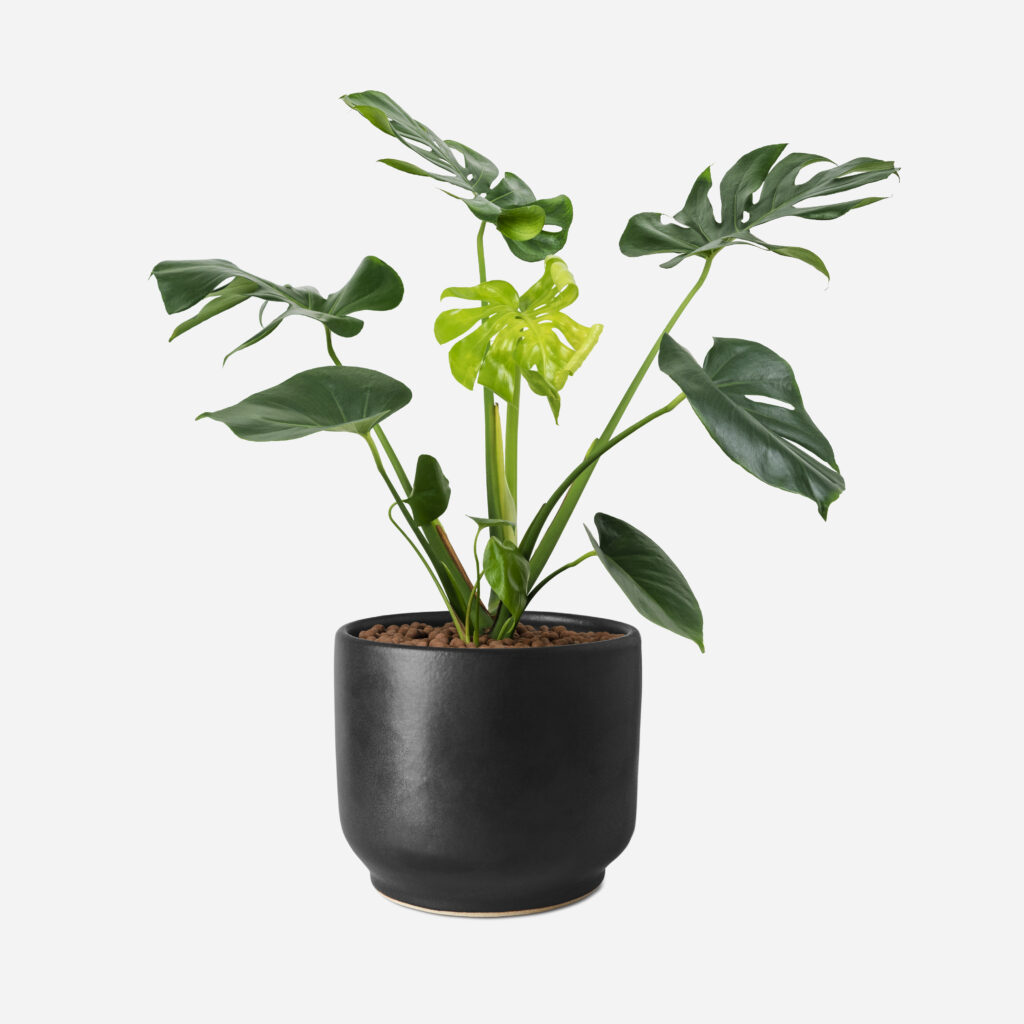
🔍 What Gives Them Away at Work
Office lighting is unforgiving. Harsh overhead LEDs bounce straight off glossy plastic in a way that soft home lamplight never does — so the realism bar is actually higher in an office, not lower.
✅ Good signs
- Matte foliage that does not catch the downlights
- Heavy, stable pot (offices get bumped)
- Larger leaves — they read better from a distance
- Real soil or gravel topping, not exposed foam
❌ Red flags
- Shiny leaves under LED panels
- Lightweight pot that tips when knocked
- Identical plants repeated down a corridor
- Flowering plants that never change, all year
⚠️ The Building-Safety Bit People Forget
🎨 Avoiding the Corporate-Lobby Look
The reason so much office greenery looks grim is repetition. Six identical plants, evenly spaced, all facing forward. Nature does not do that, and everyone can feel it even if they cannot name it.
🌟 The office formula
Buy fewer, better plants. One convincing large plant in reception beats eight cheap ones scattered around the floor. Vary the heights, turn the leaves in different directions, and if the budget allows, put one real, low-light plant (a zz plant or a snake plant) near the faux group — it lifts everything around it.
🧼 Keeping Them Clean
🧾 Put this in the cleaning brief
- Dust foliage monthly with a microfibre cloth or soft brush.
- Wipe large leaves with a barely damp cloth each quarter.
- Check cabinet-top plants — they are always the dustiest.
- Rotate anything near a window so it fades evenly.
- Replace, do not “top up”, any plant that has gone grey from UV.
Our step-by-step guide on cleaning artificial flowers and foliage covers the technique in more detail.
❓ Frequently Asked Questions
❓ Are artificial plants unprofessional?
Cheap ones are. A well-chosen matte plant in a good pot reads as considered design, not cost-cutting — most visitors will never look twice. The failure mode is glossy plastic in a lightweight pot, not the fact that it is artificial.
❓ Do they need to be fire-rated?
For a desk plant, no. For a commercial fit-out — especially reception areas, corridors and exit paths — fire-performance requirements can apply. Ask your supplier for certification and confirm with your building manager before a large install.
❓ Should we use artificial flowers as well?
Sparingly. Foliage is easy to believe year-round; flowers that never drop a petal and never change with the season are what make an office feel artificial. If you want colour, change the arrangement a few times a year.
❓ How long will they last in an office?
Away from direct sun, five years or more. The usual reason for replacement is not wear but dust build-up that never got cleaned, or UV fading on plants left in a glass-fronted lobby.