
If you have ever come home in February, looked at a sun-scorched pot plant by the window and thought “right, that’s the third one this year”, you are exactly the person artificial greenery was made for. Australian light is brutal, a lot of us rent, and plenty of homes sit empty five days a week. Faux plants, flowers and grass solve a real problem — but only if you buy and style them properly.
This is the practical version: what to use where, how to spot the cheap stuff from two metres away, what our climate does to it, and when you honestly should just buy a real plant instead.
🌿 Choose the Right Type for the Space
The four categories behave very differently. Picking the wrong one is why so many homes end up looking like a display suite.
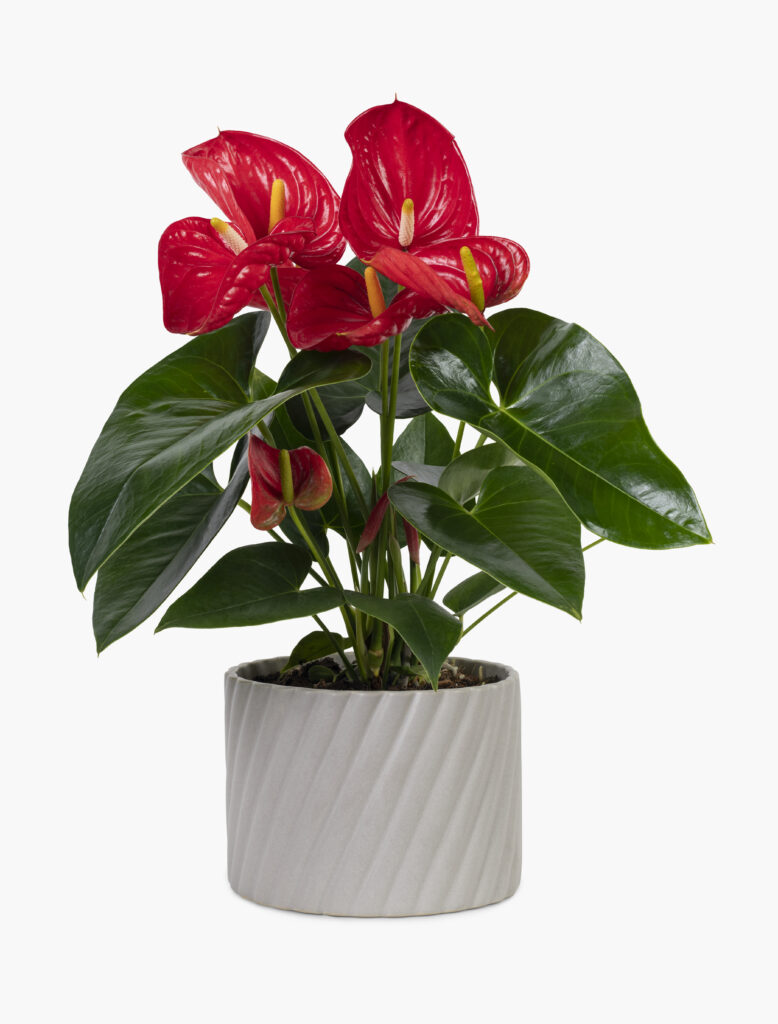
If you want to go deeper on any one of these, we have full hubs for plants and trees, flowers and blooms and grass and turf.
🏠 Where It Actually Works Best
Artificial greenery earns its keep in the spots where real plants quietly die: the windowless ensuite, the hallway with no natural light, the rental you cannot drill into, the apartment you leave for three weeks over Christmas. It also works beautifully on a shelf that is too high to water without a ladder — be honest about whether you would ever climb it.
Where it works less well: a bright, humid kitchen where a pothos would thrive anyway, or a north-facing living room that gets six hours of direct sun. In those rooms a real plant is easier and cheaper.
🔍 The Two-Metre Realism Test
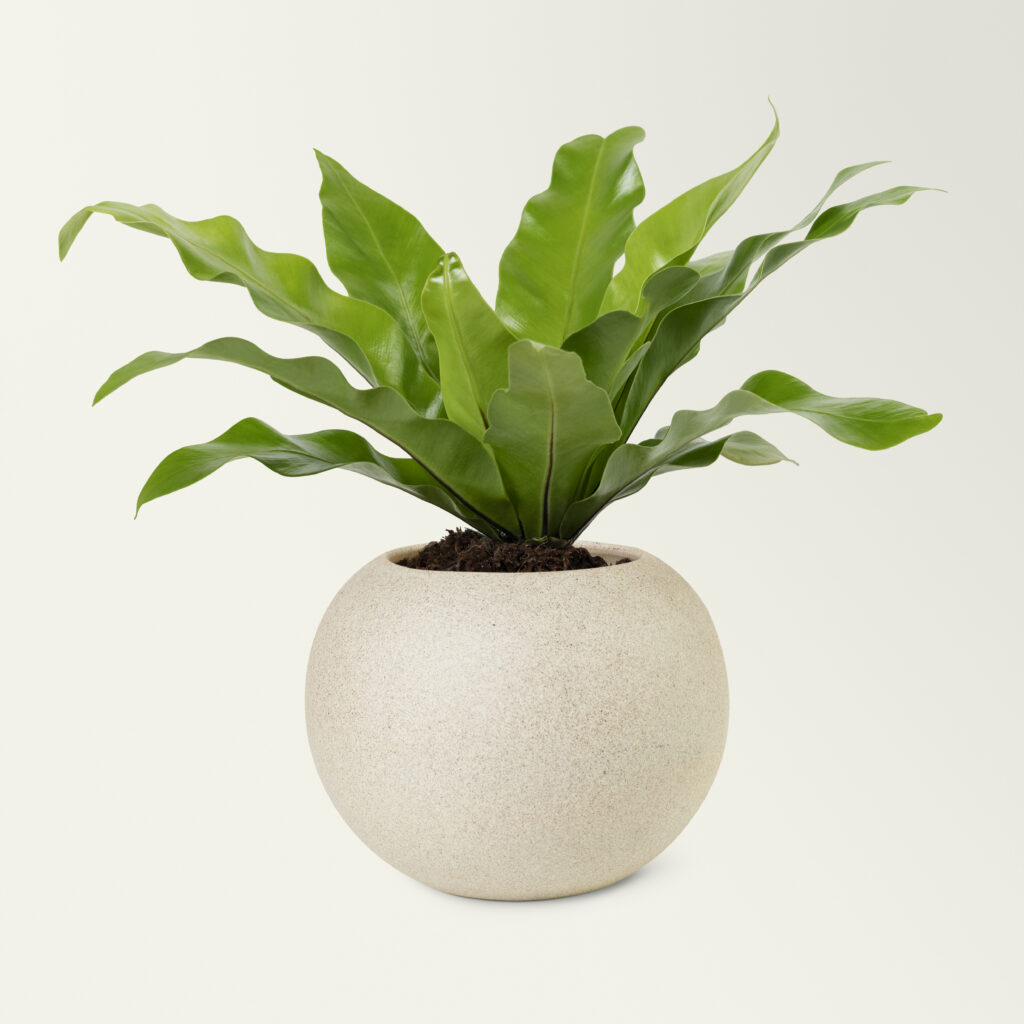
Stand back two metres. If it still looks real, you have bought well. Almost every giveaway is visible from there.
✅ Good signs
- Matte, slightly uneven leaves
- Colour variation — not one flat green
- Flexible, wired stems you can bend
- Visible leaf veins and a few imperfections
- Some browning or older leaves near the base
❌ Red flags
- Shiny, wet-looking leaves
- Uniform neon or bluish green
- Rigid stems that will not bend
- Visible plastic seams or moulding lines
- Exposed foam or hot glue at the base
☀️ What the Australian Climate Does to It
This is the section most overseas guides skip, and it is the one that actually matters here.
🎨 Styling It Without the Showroom Look
The dead giveaway is rarely one bad plant — it is too many perfect ones. Real homes have odd numbers, different heights and a leaf that is going a bit brown.
🌟 The simple grouping formula
Use one tall structural plant, one mid-height leafy plant and one trailing plant — then add one real plant to the group. The real one does the heavy lifting on believability, and the fakes fill the spots that would otherwise stay empty.
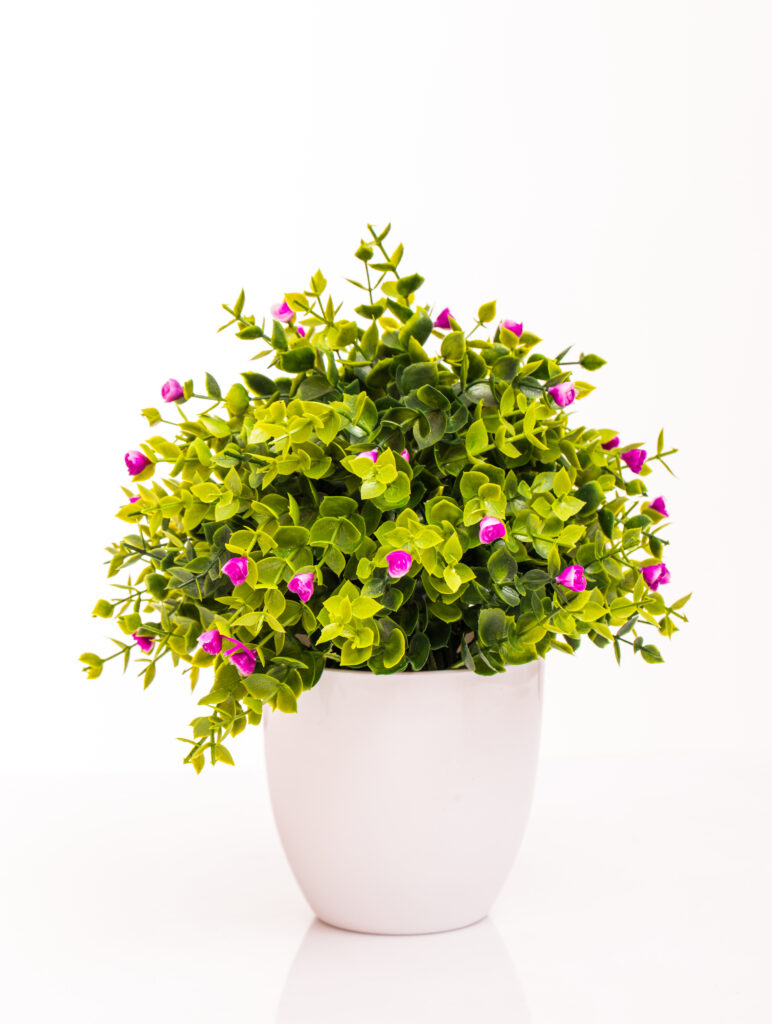
Two more things that cost nothing: bend the stems so the leaves face different directions, and get rid of the shiny plastic pot it came in. A decent ceramic pot and a handful of real soil or gravel on top will do more for realism than spending another hundred dollars on the plant itself.
🧼 Cleaning and Maintenance
Artificial does not mean zero-maintenance. It means five minutes a month instead of a watering schedule.
🧾 Monthly care checklist
- Take stems outside and shake them out.
- Dust leaves with a soft brush or a clean makeup brush.
- Wipe broader leaves with a barely damp microfibre cloth.
- Use a hairdryer on cool, low setting for fine dust in crevices.
- Rotate anything near a window so it fades evenly.
- Do not soak or machine-wash unless the label says it is safe.
For a full step-by-step on flowers specifically, see our guide on how to clean artificial flowers.
⚖️ Artificial vs Real: An Honest Comparison
We are not going to pretend artificial always wins. It does not.
If a room has decent indirect light and you are home most weeks, buy a real plant. Use artificial for the spots that defeat you.
⚠️ Common Mistakes
- Buying a whole room of it at once. Introduce a few pieces and mix with real.
- Leaving it in the delivery pot. The plastic nursery pot is the biggest tell.
- Putting it in blazing direct sun without a UV rating.
- Never dusting it. Dust is what makes people say “those are fake”.
- Choosing a plant that would never grow in that spot anyway — a faux fiddle-leaf fig in a dark hallway still reads odd.
❓ Frequently Asked Questions
❓ How long do artificial plants last in Australia?
Indoors and out of direct sun, a good-quality faux plant will look fine for five years or more. In a sunny window without UV protection, expect noticeable fading within one to two summers.
❓ Can I put artificial plants outside?
Only if they are specifically sold as UV-stabilised for outdoor use. Standard indoor faux plants will fade and go brittle outdoors, usually within a season or two.
❓ Will people notice they are fake?
Not from a couple of metres away, if you choose matte foliage, repot it, bend the stems into a natural shape and keep it dust-free. Adding one real plant to the group makes the rest far more convincing.
❓ Is artificial grass safe for pets and kids?
Generally yes, provided it drains properly and is rinsed periodically. The real issue in Australia is surface temperature — dark turf in full summer sun can get hot enough to be uncomfortable underfoot.