
Best Indoor Plants for Australian Homes: Easy-Care Guide

The best indoor plants for Australian homes are the tough, forgiving ones — plants that cope with varying light, irregular watering and air conditioning, and still look good. This guide rounds up the easiest and most popular indoor plants for Australian conditions, what each one needs, and which to choose for low light or for homes with pets, with links to our full care guide for every plant.
How to choose an indoor plant
Start with the light you actually have. A bright room near a window suits almost anything; a dim corner or a bathroom needs a low-light specialist. Then factor in how much watering attention you’ll realistically give, and whether you have pets that chew leaves — several popular indoor plants are toxic if eaten. The plants below are grouped to make those choices easy.
Easiest indoor plants for beginners
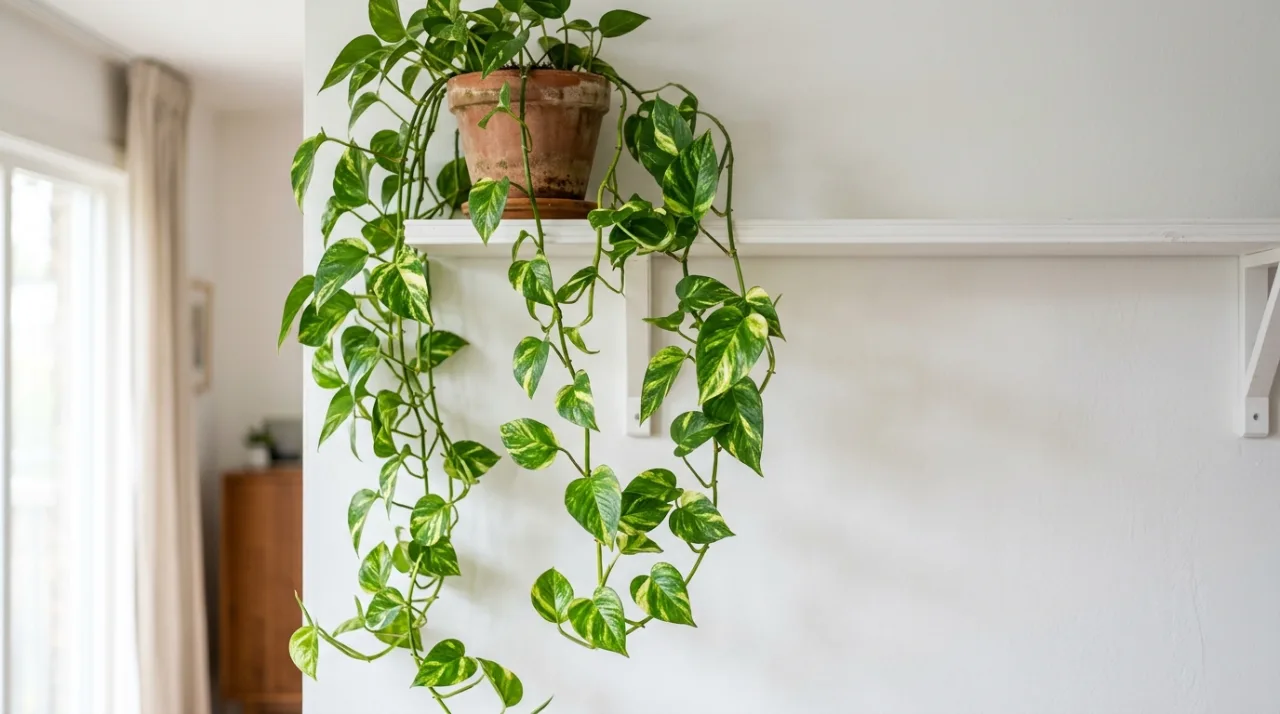
Devil’s Ivy (Pothos)
Arguably the easiest of all — trails or climbs, tolerates low light and forgives missed watering. Toxic to pets if chewed. See our full Devil’s Ivy (pothos) care guide.
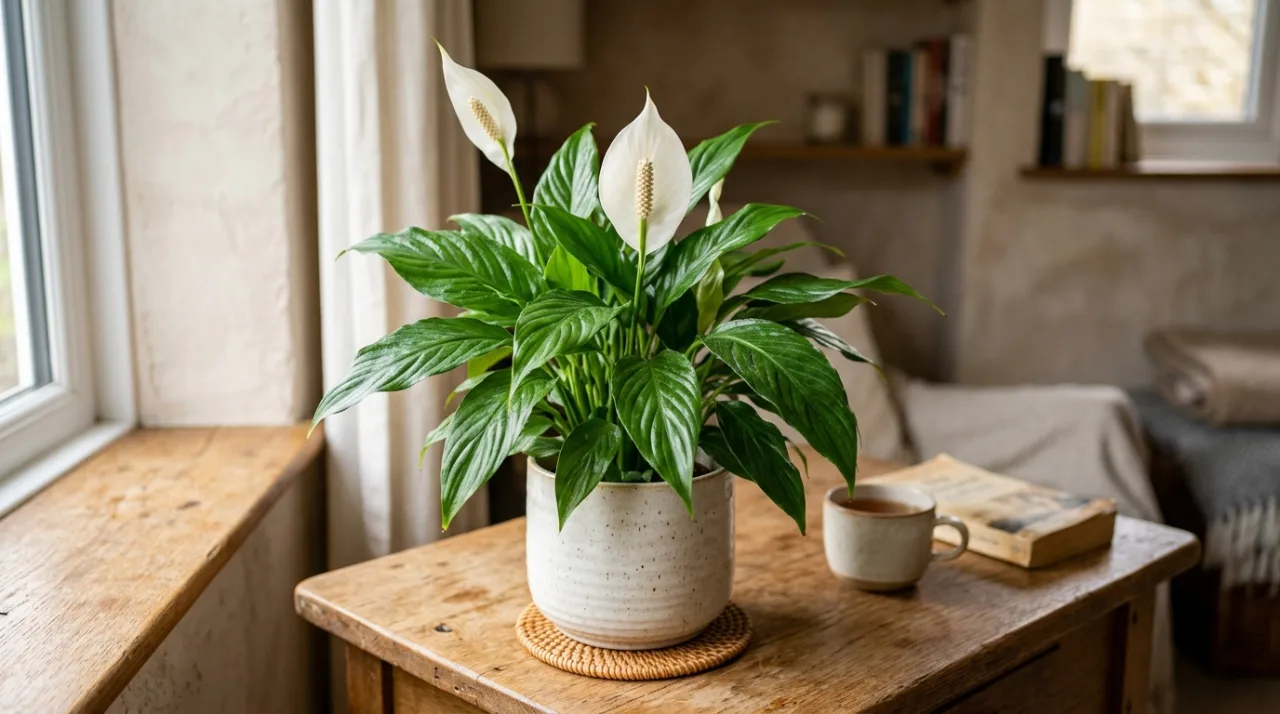
Peace Lily
Flowers in low to medium light and droops visibly when thirsty, so it tells you when to water. Toxic to pets. See our peace lily care guide.
Snake Plant and ZZ Plant
Both are very tolerant of missed watering and lower-maintenance conditions, cope with low light, and suit busy households and darker corners. Note that both are also toxic to cats and dogs if chewed.
Best indoor plants for low light
For dim rooms, bathrooms and offices, choose low-light tolerant plants like Devil’s Ivy, peace lily, snake plant, ZZ plant and cast iron plant. For a dedicated rundown, see our guide to the best indoor plants for low light in Australia.
Statement foliage plants (brighter spots)
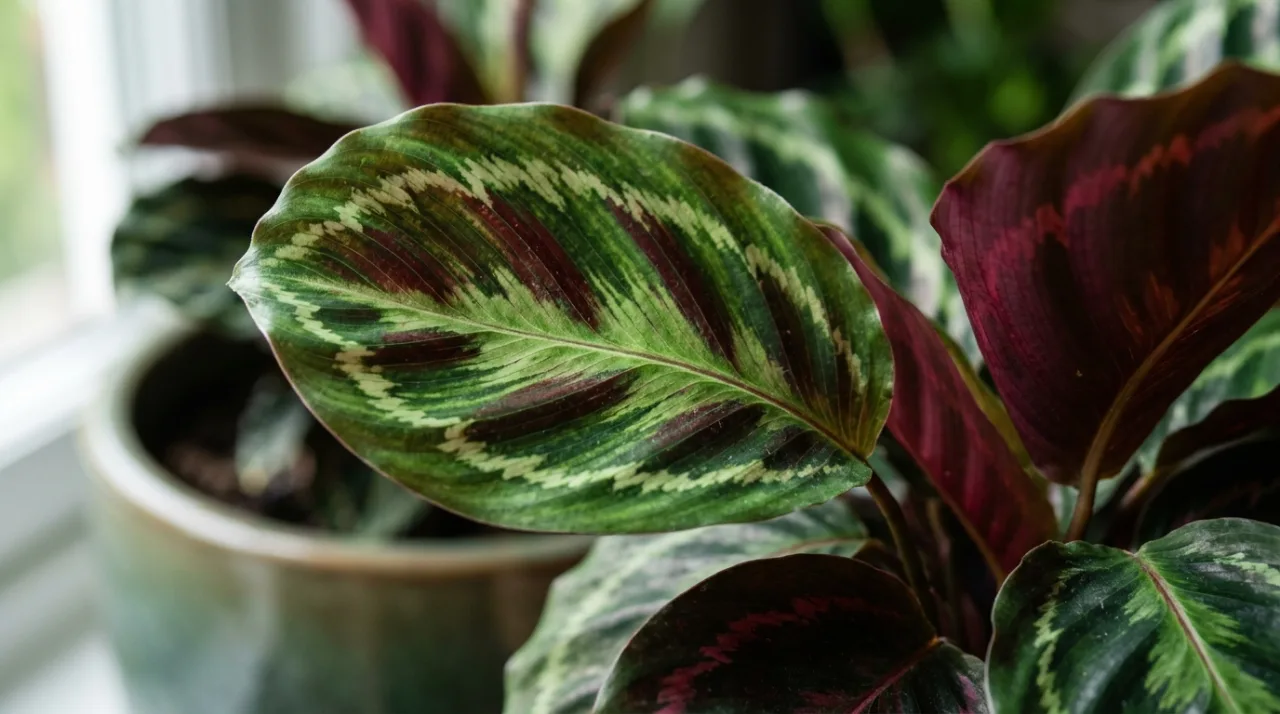
Calathea
Beautiful patterned “prayer plant” foliage; a little fussier about humidity and water quality. Pet-friendly. See our Calathea care guide and why Calathea leaves turn yellow.
Alocasia
Dramatic arrow-shaped leaves for bright, indirect light; needs warmth and consistent moisture. Toxic to pets. See our Alocasia care guide.
Strelitzia (Indoor Bird of Paradise)
Big, bold banana-like leaves that fill a bright corner. Note it is not a pet-safe choice — it is considered toxic to cats and dogs if chewed. See our Strelitzia growing and care guide.
Pet-friendly vs toxic indoor plants
If you have cats or dogs that nibble foliage, check before you buy. Several of the most popular indoor plants — including Devil’s Ivy, peace lily and Alocasia — contain calcium oxalate crystals and are toxic if chewed. Calathea is a good non-toxic alternative. For a full list, see our guide to plants toxic to dogs and cats in Australia.
Indoor plant care basics
Overwatering and poor drainage are among the most common causes of indoor-plant decline and root rot, more so than underwatering — so let the top of the mix dry before watering, use pots with drainage, and tip out excess water. Keep plants out of harsh direct sun through glass and away from cold draughts and heating/cooling vents. Feed lightly in the warm growing season and ease off in winter. Dust the leaves occasionally so they can breathe and photosynthesise.
Frequently asked questions
What is the easiest indoor plant to keep alive in Australia?
Devil’s Ivy (pothos), snake plant and ZZ plant are among the hardiest — all tolerate low light and irregular watering.
What indoor plants are best for low light?
Devil’s Ivy, peace lily, snake plant, ZZ plant and cast iron plant all cope with dim rooms, bathrooms and offices.
Which indoor plants are safe for cats and dogs?
Calathea is a popular non-toxic choice. Avoid Devil’s Ivy, peace lily and Alocasia if pets chew leaves, as these are toxic. Check our toxic-plants guide before buying.
How often should I water indoor plants?
Generally when the top of the mix feels dry, which is more often in summer and less in winter. Overwatering and poor drainage are among the most common causes of indoor-plant decline.
Why are my indoor plant’s leaves going brown at the tips?
Usually dry air, inconsistent watering or salt build-up. Water thoroughly so it flushes through, and raise humidity in dry, air-conditioned rooms.
Do indoor plants need fertiliser?
Yes, lightly during the warm growing season with an indoor-plant fertiliser, easing off over winter when growth slows.
Which indoor plants flower?
The peace lily is one of the few that flowers reliably indoors, producing white blooms even in medium light.
Where should I put indoor plants in my home?
Match the plant to the light: bright, indirect light near a window suits most, while dim corners and bathrooms need low-light specialists. Avoid harsh direct sun and cold draughts.


