
Kangaroo Paw: Growing & Care Guide for Australian Gardens

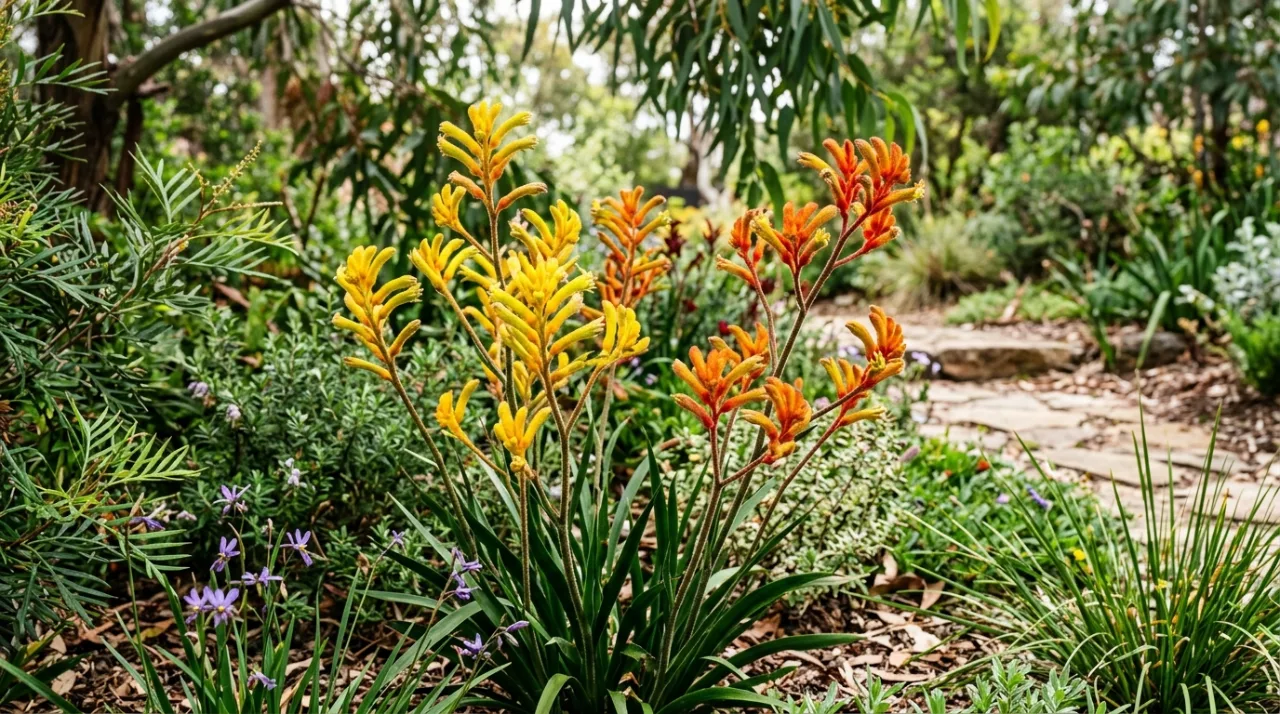
Kangaroo paw (Anigozanthos) is one of Australia’s most striking native plants — velvety, claw-shaped flowers in red, yellow, orange, green and pink, loved by nectar birds and ideal for low-water gardens. This guide covers varieties, the sun and drainage they need, how to beat ink spot disease, cutting back, and growing them in pots.
About kangaroo paw
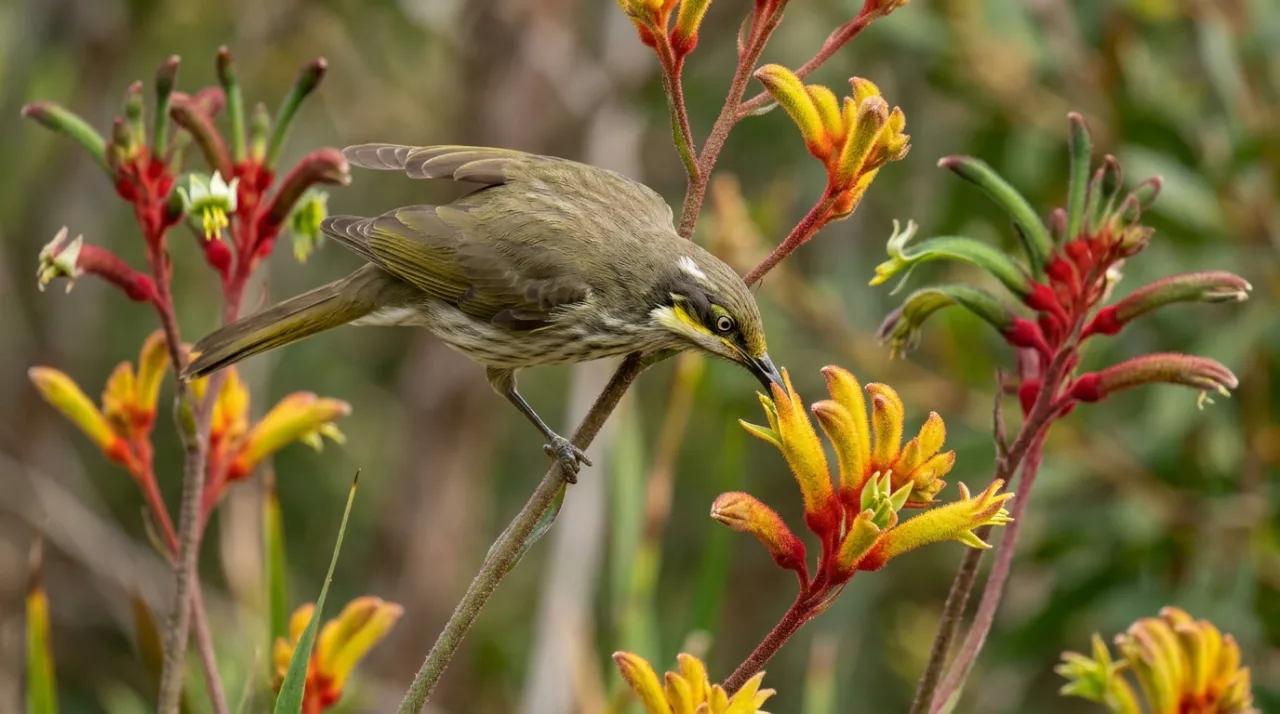
Kangaroo paw is a West Australian native perennial grown Australia-wide for its unusual tubular, furry flowers held on tall stems above strappy foliage. It’s a favourite for native and water-wise gardens, attracts honeyeaters and other nectar birds, and makes an excellent long-lasting cut flower. Flowering is mainly spring into summer, with some modern hybrids flowering for longer.
Kangaroo paw varieties
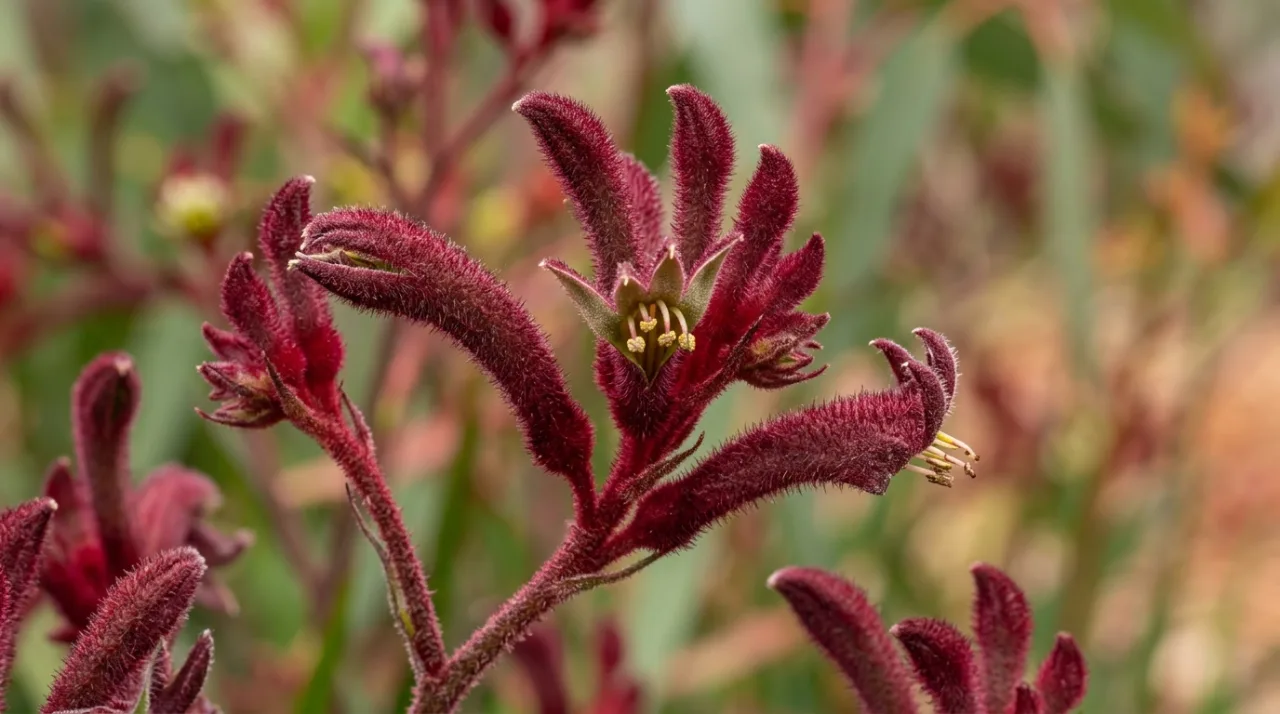
There are tall and dwarf types, so choose by size and position:
- Tall species and hybrids — flower stems well over a metre, dramatic at the back of a bed or as a feature.
- Dwarf / compact hybrids — tidy clumps ideal for pots, borders and small gardens, often bred for longer flowering and better disease resistance.
Some modern Anigozanthos hybrids have been selected for improved disease resistance, longer flowering or garden performance, which can make them an easier choice for many gardens.
Where to plant: sun and drainage
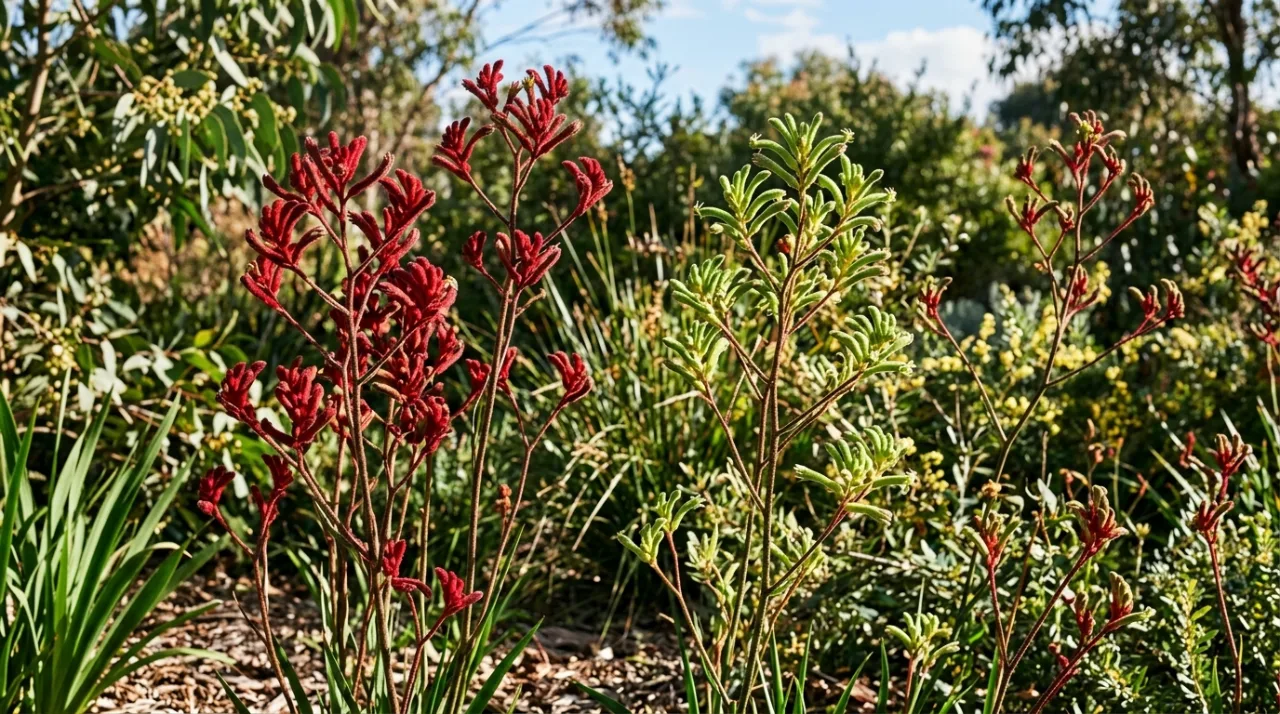
Kangaroo paw needs full sun and excellent drainage — these two factors matter more than anything else. They thrive in open, sunny, airy positions and resent wet, heavy, poorly drained soil, which leads to rot. In clay soils, plant on a raised mound or in pots with a free-draining native mix. Being Australian natives, they prefer low-phosphorus conditions, so use a native-specific fertiliser.
Watering and feeding
Water to establish, then keep watering fairly light once settled. Many established kangaroo paws tolerate dry periods, but hybrids and plants in active growth may still need regular watering, and all dislike constantly wet soil. Feed with a low-phosphorus native fertiliser in the warm months. Good airflow and restrained watering are the best defences against disease.
Ink spot disease and leaf problems
A common problem is ink spot and general leaf blackening, which can involve fungal disease, particularly in cool, damp, crowded conditions — though not every black mark should be diagnosed from appearance alone. The best control is cultural: plant in full sun with good airflow, avoid overhead watering, and cut affected foliage right back to encourage clean new growth. Choosing disease-resistant hybrids reduces the problem from the start.
Cutting back
Kangaroo paws respond very well to a hard cut-back. After flowering, or when foliage looks tired or marked with ink spot, cut the clump back close to the base — vigorous fresh foliage and new flower stems follow. Older clumps can be divided when they become congested or start to decline.
Growing kangaroo paw in pots
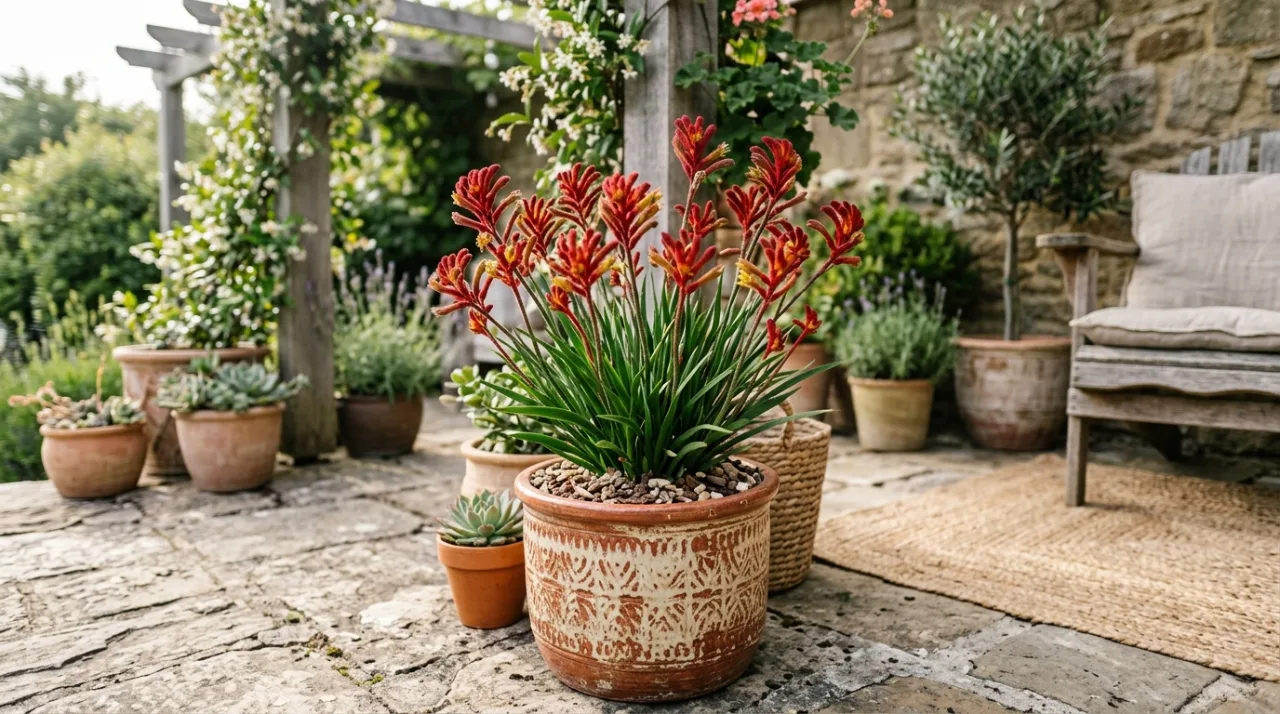
Dwarf hybrids do well in pots filled with a free-draining native potting mix, in a sunny spot. Pots suit gardeners with heavy soil, since drainage is easy to control. Don’t let the pot sit in a saucer of water.
For more low-water Australian natives, see our ultimate guide to Australian native plants.
Frequently asked questions
How much sun does kangaroo paw need?
Full sun. They flower poorly and are more disease-prone in shade. Pair full sun with excellent drainage for the best results.
Why are my kangaroo paw leaves turning black?
This is often ink spot, which can involve fungal disease and is worse in cool, damp, crowded conditions. Improve sun and airflow, avoid overhead watering, and cut affected foliage back hard.
When should I cut back kangaroo paw?
After flowering or when the foliage looks tired or marked. Cut the clump back close to the base and fresh new growth and flower stems will follow.
How often should I water kangaroo paw?
Water to establish, then only lightly. They’re drought-tolerant and dislike constantly wet soil, which causes rot.
What fertiliser should I use on kangaroo paw?
A low-phosphorus fertiliser formulated for Australian natives, applied in the warm growing season.
Can I grow kangaroo paw in a pot?
Yes, especially dwarf hybrids. Use a free-draining native potting mix, keep it in full sun, and don’t let the pot sit in water.
Do kangaroo paws come back every year?
Yes, they’re perennials. Many clumps live for years, flowering each season, and can be divided when they become congested or start to decline.
Why isn’t my kangaroo paw flowering?
Usually too little sun, too much shade or overly rich/wet soil. Give it full sun, good drainage and a native fertiliser.


