
Garden Loppers Australia: Bypass, Anvil or Ratchet? How to Choose

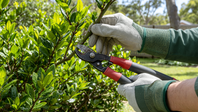
There is a moment most Australian gardeners know well: your secateurs are in your hand, you are halfway through a branch that is just a bit too thick, and the blades jam. That branch is exactly what loppers are for. They are the step between the secateurs you use for soft stems and the pruning saw you reach for when the wood gets serious.
The hard part is not buying loppers — it is buying the right type. Bypass, anvil and ratchet loppers look similar on the shelf but behave very differently in the garden, and the wrong one will either crush your plants or wear out your shoulders. This guide walks through how to choose, in plain terms, for the branches you actually cut.
Quick answer
- Bypass loppers — for living, green wood. They cut like scissors and leave a clean wound the plant heals quickly. If you only own one pair, make it bypass.
- Anvil loppers — for dead, dry or woody branches. A blade closes onto a flat “anvil”. Great on deadwood, but they crush green stems, so they are a poor all-rounder.
- Ratchet loppers — for thicker branches or tired hands. A ratchet mechanism multiplies your effort over several squeezes, so you cut with far less force. Worth the extra cost if grip strength is a limit.
Bypass vs anvil vs ratchet — what each is really for
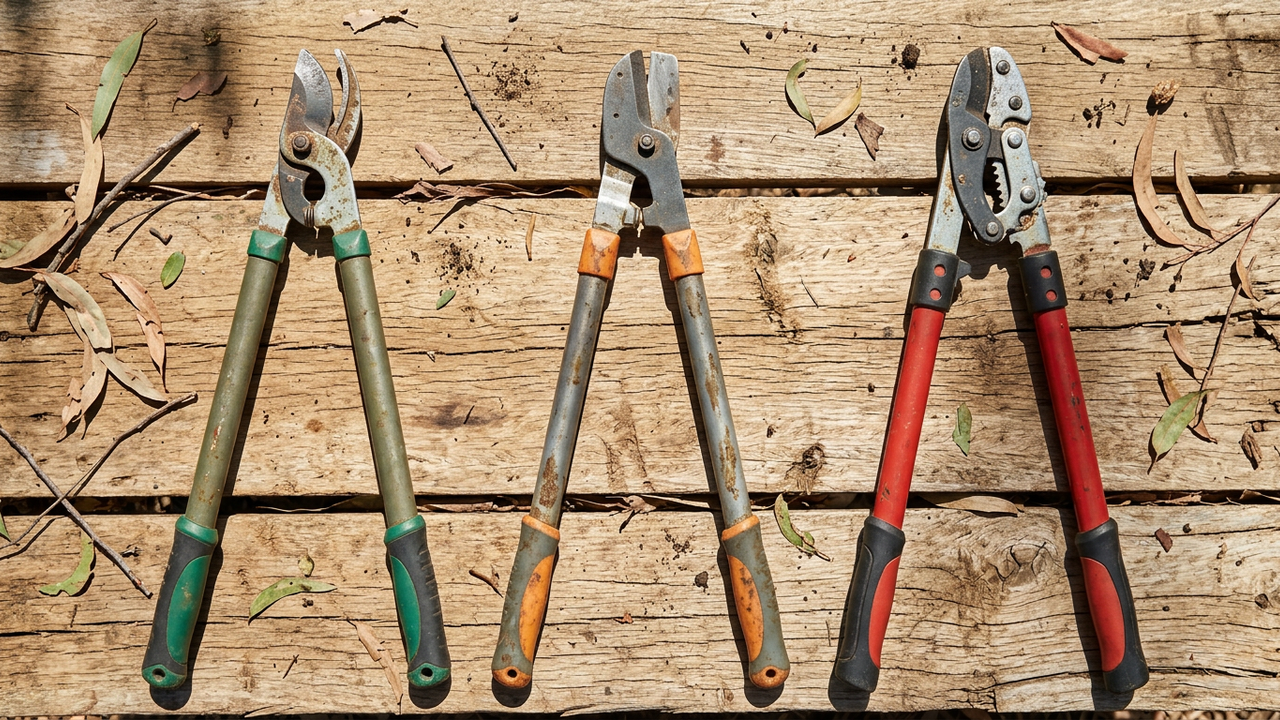
Bypass loppers
A bypass lopper has a sharp curved blade that slides past a thicker hook, the same scissor action as a good pair of secateurs. Because the blade slices rather than squashes, it leaves a clean cut on living stems, which is what you want on shrubs, roses, fruit trees and anything you expect to keep growing. The clean wound closes over faster and gives disease less of a foothold. The trade-off: bypass blades can bind if you force them through hard deadwood that is too thick. For most home gardens, this is still the pair to reach for first.
Anvil loppers
An anvil lopper has a straight blade that closes down onto a flat bar — think of a knife coming down on a chopping board. That gives real crushing power on dry, dead, hard wood, where a bypass pair would struggle. The catch is in the name: on a green, living stem the anvil crushes the wood as it cuts, leaving a bruised wound that heals slowly and invites rot. So anvil loppers are a specialist for deadwood clearing, not an everyday all-rounder.
Ratchet loppers
Ratchet loppers (which can be bypass or anvil underneath) add a mechanism that holds your progress between squeezes. Instead of one big, forceful cut, you make several smaller ones and the ratchet does the holding, so a branch that would normally need two strong hands comes apart with far less effort. If you have arthritis, a smaller frame, or simply a lot of cutting to do, a ratchet pair can be the difference between finishing the job and giving up on it. They are slower per cut and usually cost more, so they suit people for whom force — not speed — is the limiting factor.
How thick a branch can loppers cut?
There is no single magic number, and any guide that gives you one is simplifying. The honest answer is that it depends on the lopper’s size and mechanism and on the wood: a dry, dead branch and a green, sappy one of the same diameter cut very differently. As a rough planning guide, many home loppers are comfortable on branches up to roughly 2–3 cm, and some geared or larger models are rated higher again. The number stamped on the packaging is usually a maximum on ideal wood, not an everyday working figure — treat it as a ceiling, not a target. The practical rule is simpler: if you have to fight the branch, stop. Forcing loppers damages the tool, the plant and sometimes you. That is the point where a pruning saw is the right tool instead.
Handles, gearing and reach
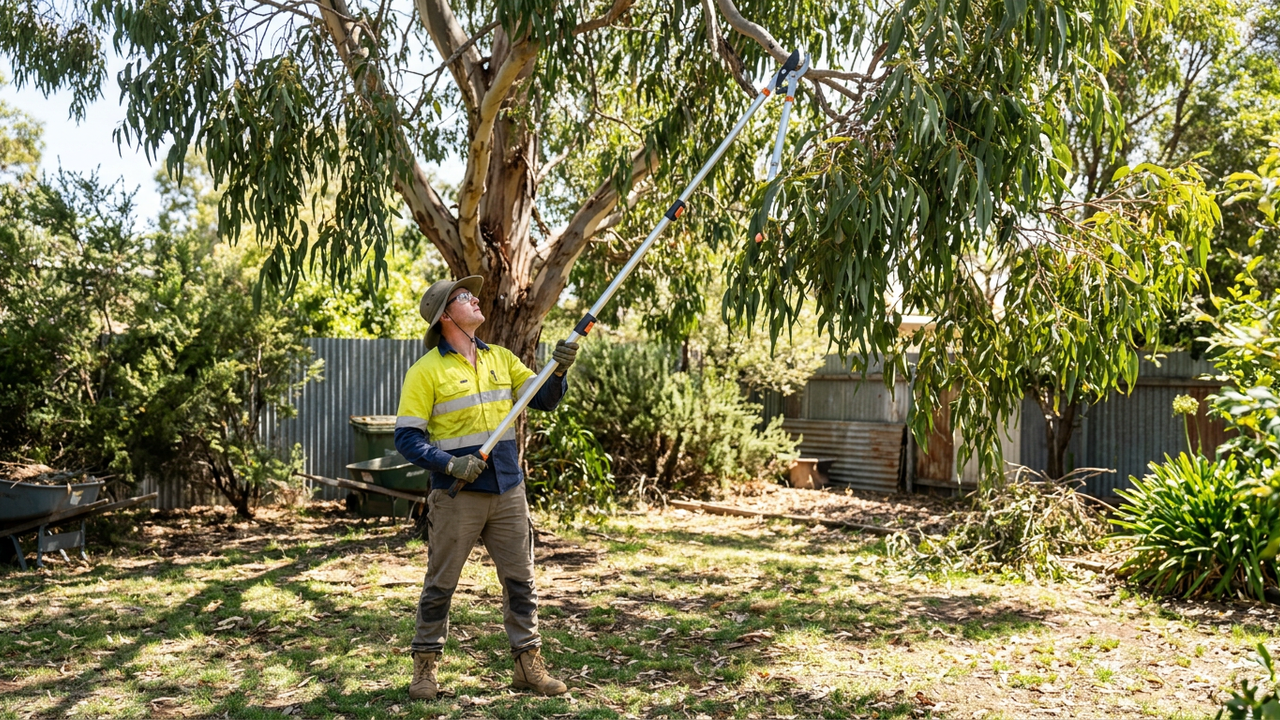
- Handle length — longer handles give more leverage (easier cuts) and more reach, but they are heavier and clumsier in tight shrubs. Short handles are nimble but need more hand force.
- Geared or compound action — multiplies force, useful if you want power without the full ratchet slow-down.
- Telescopic / extendable handles — let you reach higher branches from the ground, which is safer than a ladder. They add weight and a little flex, so they are a reach tool, not a precision one.
Weight matters more than people expect. A heavy pair feels fine for the first few cuts and miserable an hour later, so if you can, lift a pair before you buy, or check the listed weight against how long your pruning sessions really run.
Where loppers sit in your kit
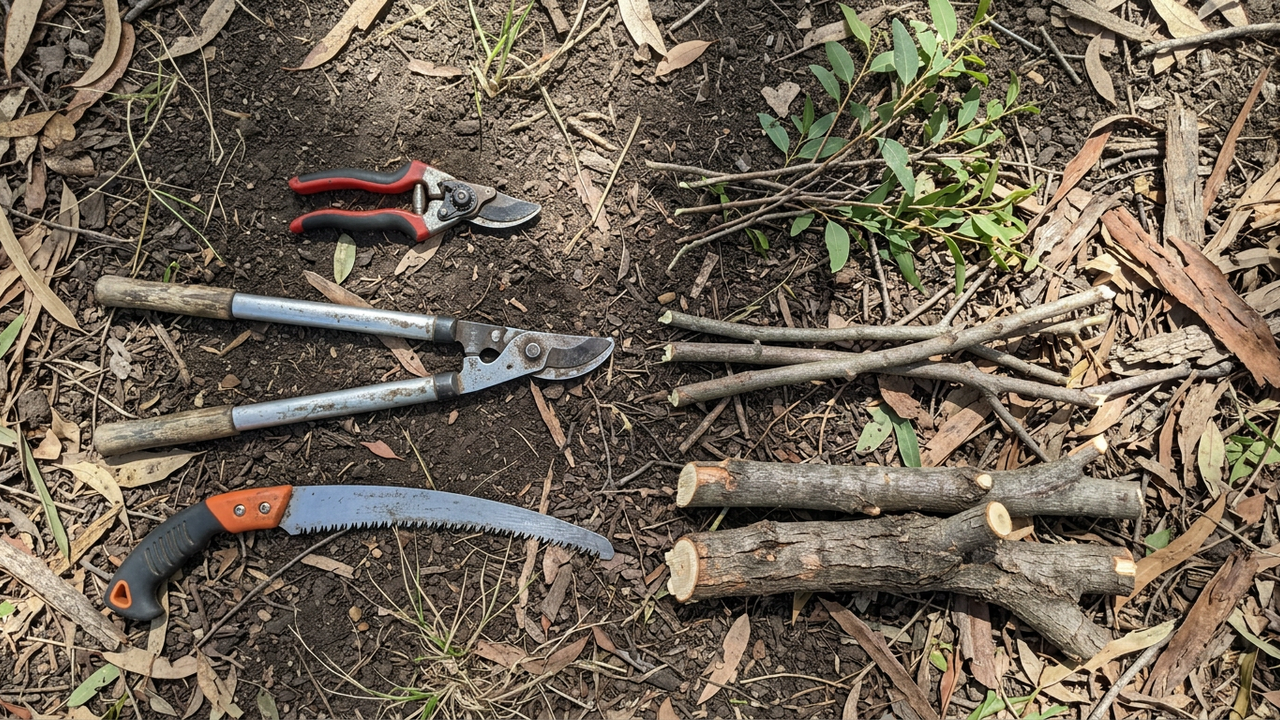
- Soft and thin stems → a good pair of secateurs.
- Branches too thick for secateurs → loppers.
- Branches too thick for loppers → a pruning saw.
Buying with that progression in mind stops you forcing one tool to do another’s job — the single most common way gardeners wreck both their plants and their equipment. If you are building a kit from scratch, our complete garden tools guide shows how the pieces fit together.
Keeping loppers working (and your plants healthy)
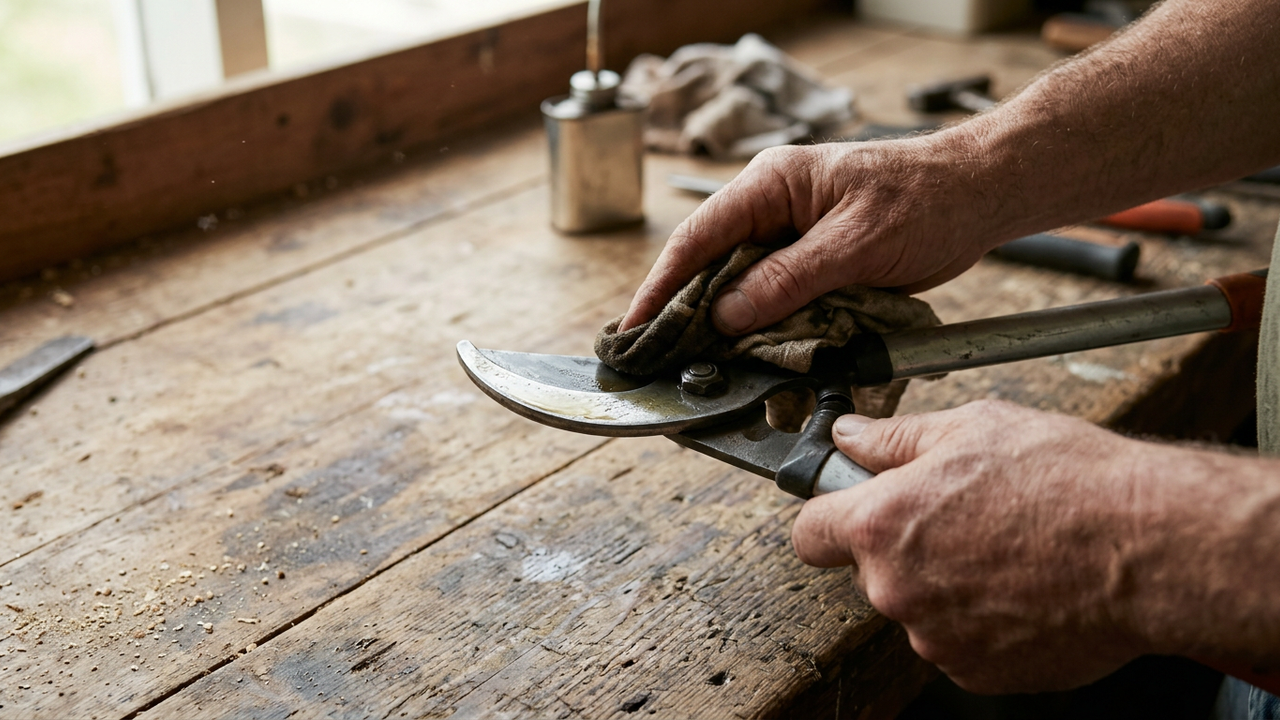
A clean, sharp lopper is not just easier to use — it is better for your garden. A sharp blade leaves a clean cut that heals fast; a blunt or dirty one tears the wound and can carry disease from plant to plant. A few habits keep them in shape: wipe the blades down after use, keep them dry so they do not rust, give the blade an occasional sharpen, and wipe the blades with a little disinfectant when you move between plants if disease is a concern. Store them out of the weather.
FAQ
If I only buy one pair of loppers, which should it be?
Bypass. It handles the living, green wood that makes up most home pruning and leaves a clean cut. Add an anvil pair later only if you do a lot of deadwood clearing.
Can I use anvil loppers on live plants?
You can, but you should not make a habit of it. Anvil loppers crush green stems rather than slicing them, leaving a bruised wound that heals slowly. For living wood, bypass is the better choice.
Which loppers are best if I have weak grip or arthritis?
Look at ratchet or geared loppers. Both multiply your effort so you cut with less hand force. Longer handles also add leverage. Lift a pair first if you can, because overall weight affects comfort as much as the mechanism.
When should I use a pruning saw instead of loppers?
When you have to fight the branch. If loppers will not close cleanly or you are forcing them, the branch is too thick — switch to a pruning saw to protect both the tool and the plant.
Prices, models and availability change often — always confirm the current price and that a pair suits the branches you actually cut before buying.


