
Best Indoor Plants for Low Light (Australia)

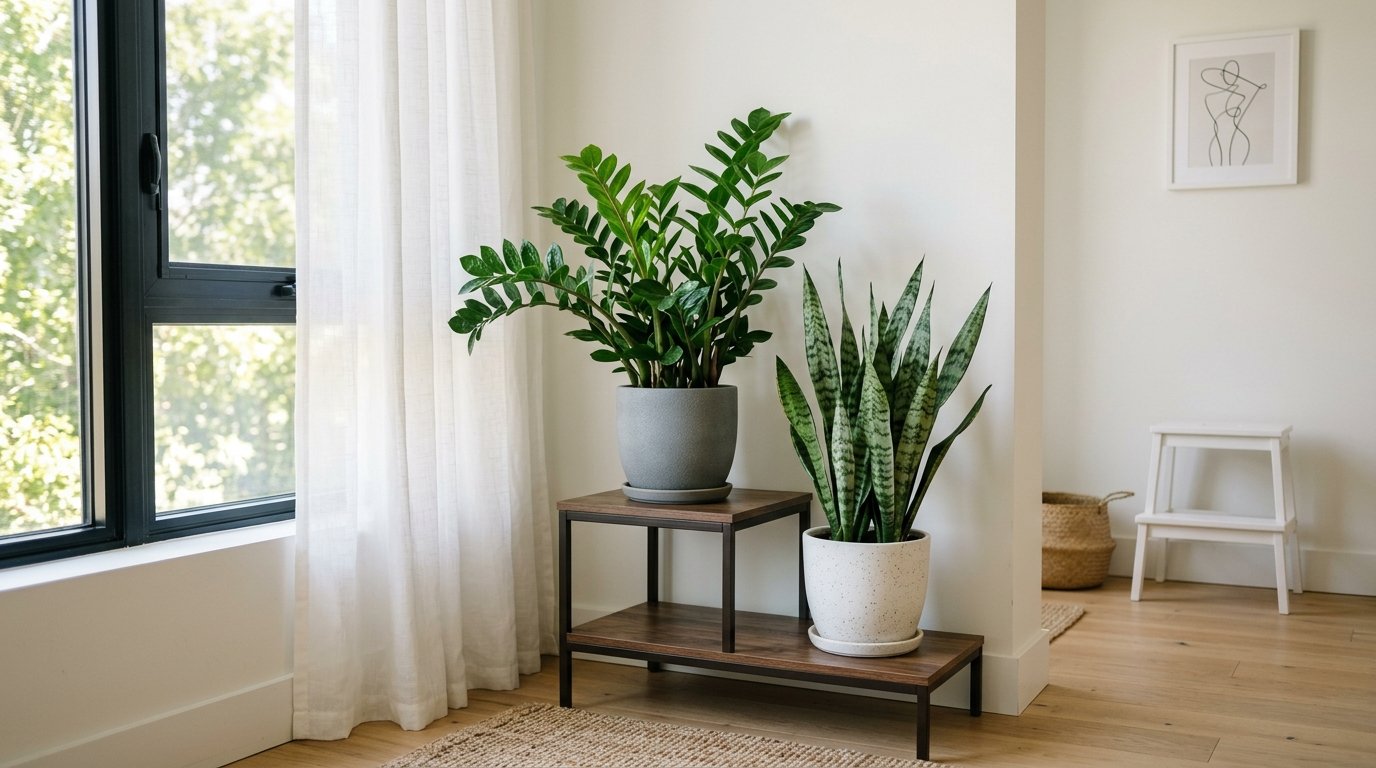
The best indoor plants for low light in Australian homes are the tough, forgiving foliage plants: ZZ plant, snake plant (mother-in-law’s tongue), pothos (devil’s ivy), peace lily, philodendron, cast iron plant and some ferns. None of these need direct sun, and most tolerate the kind of dim corner, hallway or bathroom where fussier plants sulk. The secret to keeping them alive is not more light — it is less water, because overwatering, not low light, is what kills most indoor plants.
“Low light” does not mean no light. Every plant needs some light to survive, but these species cope with bright-to-moderate indirect light and the shadier spots most homes have. Choose from this list and you can green up a dim room without a constant battle.
Best low-light indoor plants at a glance
| Plant | Why it works | Care level |
|---|---|---|
| ZZ plant | Thrives on neglect, very low light | Easiest |
| Snake plant | Tough, upright, near-indestructible | Easiest |
| Pothos / devil’s ivy | Trailing, fast, very forgiving | Easy |
| Peace lily | Flowers in shade, shows thirst clearly | Easy |
| Philodendron | Lush, adaptable, trailing or upright | Easy |
| Cast iron plant | Tolerates deep shade & neglect | Easy |
| Ferns (some) | Love shade + humidity | Moderate |
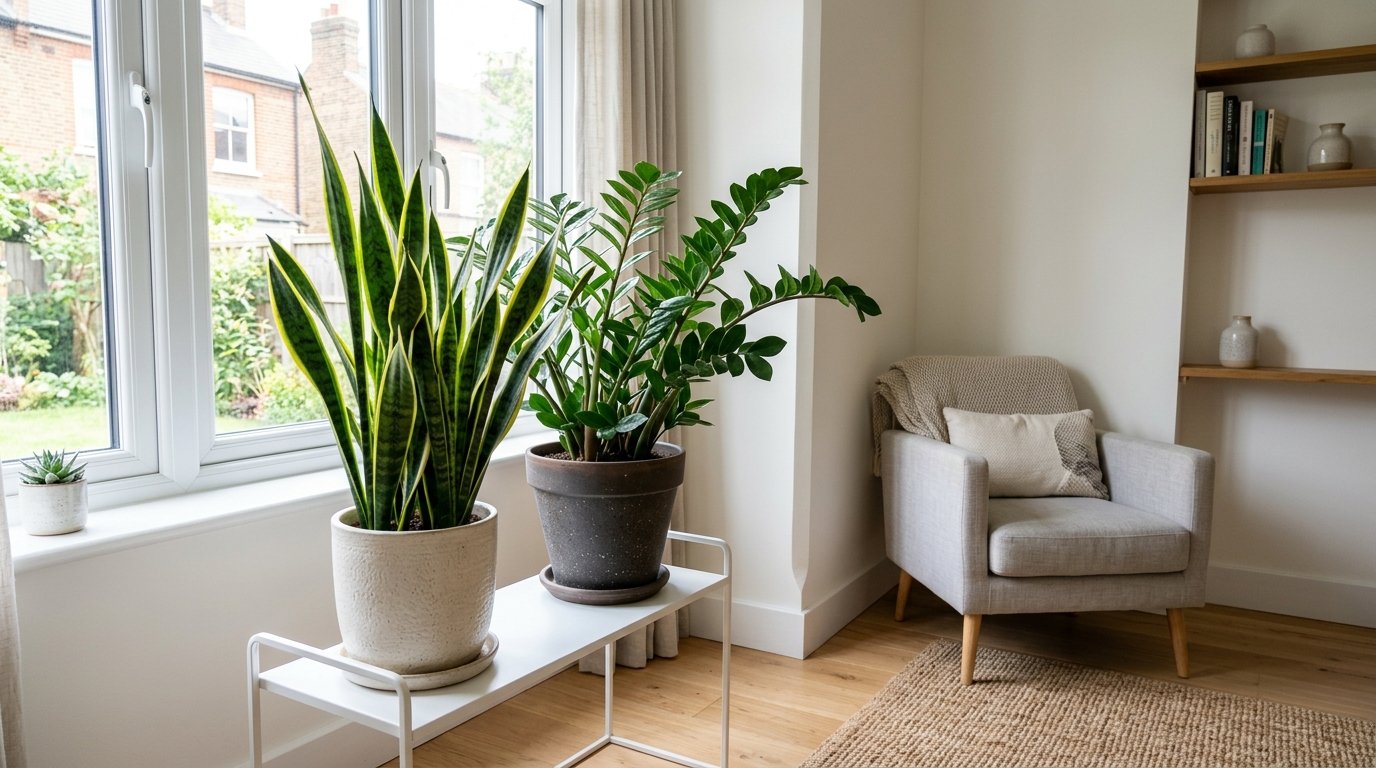
ZZ plant — the toughest of all
The ZZ plant (Zamioculcas) is arguably the best low-light houseplant. Its glossy leaves tolerate dim corners, irregular watering and general neglect.
It stores water in its roots, so the main way to kill it is overwatering. Let it dry out well between waterings and it will thrive where almost nothing else will.
Snake plant — near indestructible
Snake plant (Sansevieria / mother-in-law’s tongue) is a tough, upright architectural plant that tolerates low light and long gaps between watering.
Like the ZZ, its enemy is overwatering, especially in winter. Water sparingly, ensure good drainage, and it will handle dim spots and busy owners with ease.
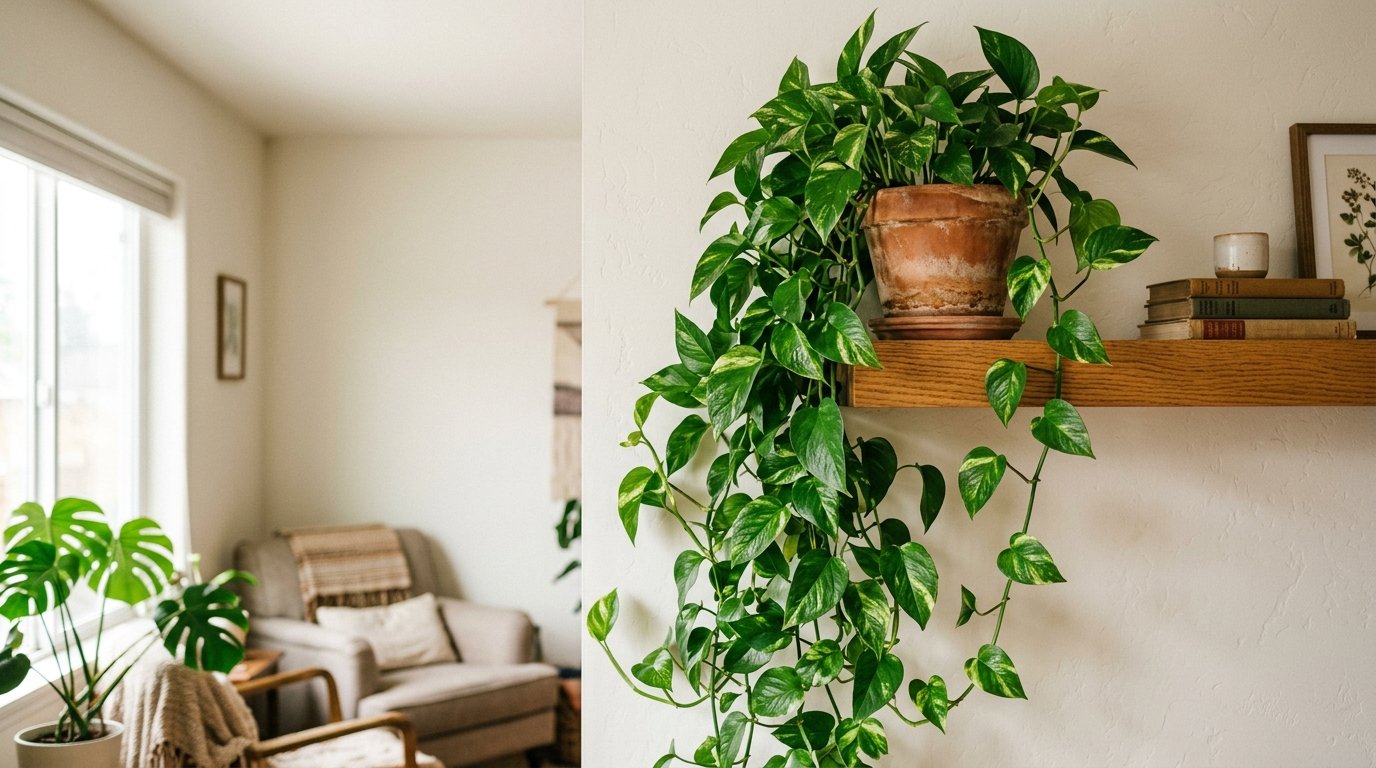
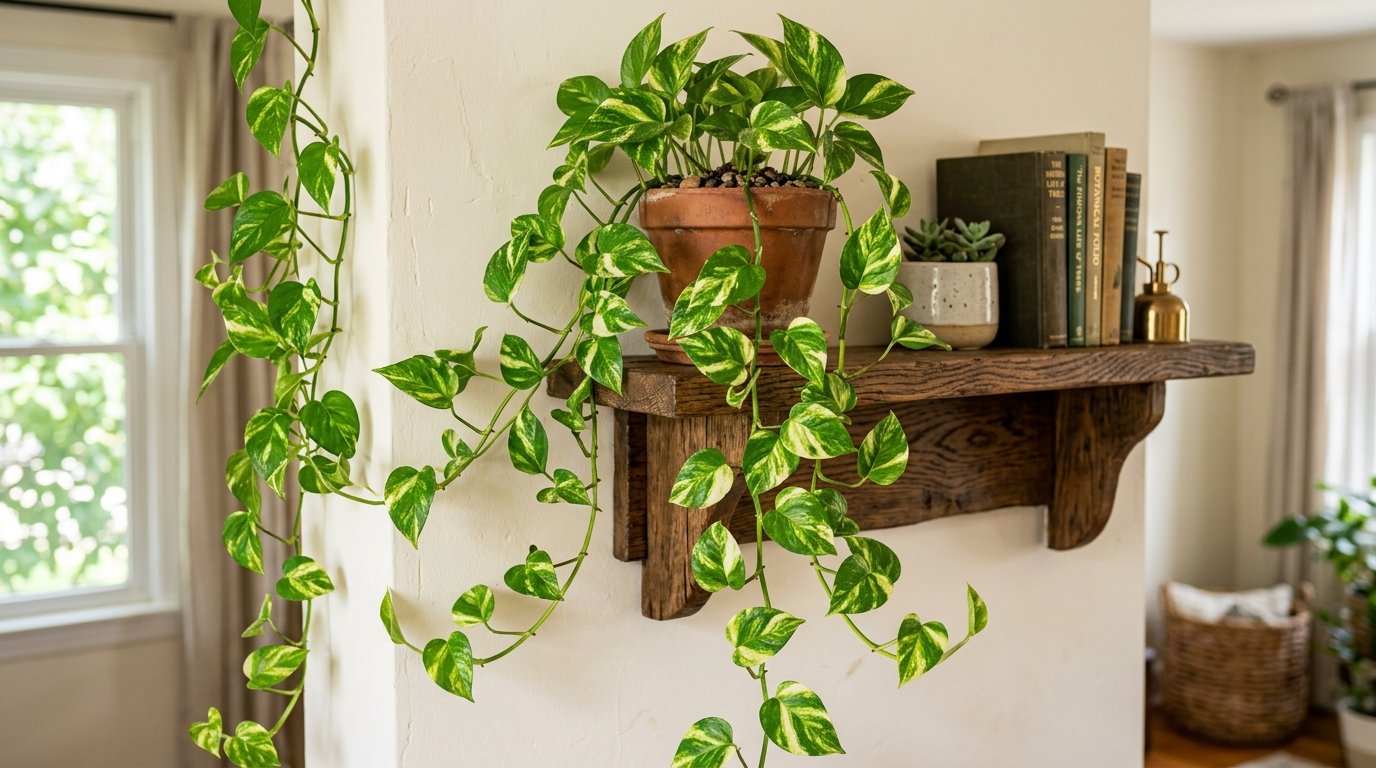
Pothos (devil’s ivy) — the forgiving trailer
Pothos is a fast-growing trailing plant that copes with low to moderate light and bounces back from neglect. It is perfect for shelves, hanging pots and dim corners.
It also visibly wilts a little when thirsty and recovers quickly after watering, which makes it very beginner-friendly.
Peace lily — flowers in the shade
The peace lily is one of the few low-light plants that also flowers, producing white blooms even in modest light.
Its great advantage for beginners is honesty: it droops dramatically when thirsty and perks up soon after watering, telling you exactly when it needs a drink.
Philodendron — lush and adaptable
Philodendrons, including the popular heartleaf types, are lush, adaptable plants that handle lower light and come in trailing and upright forms.
They are forgiving and fast, making them a reliable choice for greening up a shadier room.
Cast iron plant — deep shade specialist
True to its name, the cast iron plant (Aspidistra) tolerates deep shade, neglect and difficult positions that defeat most plants. It is slow-growing but almost impossible to kill, and ideal for that dark corner nothing else will grow in.
Ferns — for shady, humid spots
Many ferns naturally grow in shade and suit low-light bathrooms and humid spots. They are slightly fussier than the plants above because they want consistent moisture and humidity, but in the right shady, humid position they are lush and rewarding.
The real killer is overwatering, not low light
The most important thing to understand: most indoor plants die from overwatering, not from too little light.
In low light, plants grow slowly and use less water, so they need watering less often, not more. Watering on a fixed weekly schedule regardless of the soil is the classic way to rot a low-light plant.
Always check the soil first — if it is still moist below the surface, wait. A moisture meter or a simple finger test prevents the mistake.
Low light still means some light
No plant grows in true darkness. “Low light” plants tolerate dim, indirect light — a few metres from a window, a shaded room, a north or south-facing space — but a windowless room will not sustain them long term.
If a low-light plant stretches, leans hard toward the window or drops leaves, it is telling you it needs a brighter spot or occasional rotation.
Simple care for low-light plants
- Water less — check the soil, let most dry out between drinks;
- Ensure drainage — never leave pots sitting in water;
- Dust the leaves — clean leaves absorb more of the limited light;
- Rotate occasionally — so the plant grows evenly;
- Feed lightly — low-light plants grow slowly and need little fertiliser.
Watch out: many are toxic to pets
Several of the best low-light plants — pothos, philodendron, peace lily and others — are toxic to cats and dogs if chewed. If you have pets, position these out of reach or choose pet-safer options. See our guide to plants toxic to dogs and cats before adding them to a pet household.
Where our recommended picks will go
Garden Green has not yet joined an affiliate program, so we are not publishing product links or prices. When recommendations are added, they will be grouped by use case — the toughest set-and-forget plants, the best trailing plants for shelves, and the best pet-safer options for low light.
Green up a dim room the easy way
To succeed with low-light indoor plants:
- choose from the tough, proven low-light species above;
- remember low light means slow growth and less watering;
- check the soil before every water;
- ensure good drainage;
- give even the toughest plants some indirect light;
- keep pet-toxic species out of reach.
You do not need a bright, sunny home to enjoy indoor plants. Pick forgiving low-light species, resist the urge to overwater, and even a dim corner can become a green, living part of the room.
Frequently asked questions
What are the best indoor plants for low light?
The toughest low-light indoor plants are the ZZ plant, snake plant, pothos (devil’s ivy), peace lily, philodendron, cast iron plant and some ferns. None need direct sun, and most tolerate dim corners, hallways and shaded rooms. The ZZ plant and snake plant are the most forgiving of all, handling low light and irregular watering with ease.
Can indoor plants survive with no light at all?
No. Every plant needs some light to survive, so “low light” means dim, indirect light rather than none. Low-light plants tolerate spots a few metres from a window or in shaded rooms, but a windowless room will not sustain them long term. If a plant stretches, leans toward the window or drops leaves, it needs a brighter position.
Why do my indoor plants keep dying?
The most common cause is overwatering, not low light. In dim positions plants grow slowly and use less water, so they need watering less often. Watering on a fixed schedule regardless of the soil rots the roots. Always check the soil first, let most of it dry out between waterings, and ensure pots drain freely and never sit in water.
How often should I water low-light indoor plants?
Less often than you might think. Because low-light plants grow slowly, they use less water and can rot if kept constantly moist. Check the soil before watering, and if it is still moist below the surface, wait. Tough plants like the ZZ and snake plant prefer to dry out well between drinks, especially in winter when growth slows further.
Which low-light plants are safe for pets?
Several popular low-light plants, including pothos, philodendron and peace lily, are toxic to cats and dogs if chewed. If you have pets, position these out of reach or choose pet-safer options and check each plant before buying. See our guide to plants toxic to dogs and cats, and when in doubt keep new plants away from animals that chew foliage.
What is the easiest indoor plant to keep alive?
The ZZ plant and snake plant are widely considered the easiest, as both tolerate low light, irregular watering and general neglect. Pothos and cast iron plant are also very forgiving. The main way to kill any of them is overwatering, so the easiest plants become even easier if you simply water less and let the soil dry between drinks.
Do low-light plants need fertiliser?
Only a little. Low-light plants grow slowly and use few nutrients, so they need minimal feeding — a light feed occasionally during the warmer growing months is plenty. Overfeeding a slow-growing plant does more harm than good. Focus on correct watering, drainage and dusting the leaves rather than heavy fertilising.
Why is my low-light plant leggy and stretching?
Stretching, leaning toward the window and long gaps between leaves mean the plant wants more light. Even low-light plants have limits, and in too little light they grow thin and reach for brightness. Move it to a slightly brighter, indirectly lit spot, rotate it occasionally for even growth, and dust the leaves so they can absorb the available light.


