
Crepe Myrtle in Australia: Varieties, Pruning & Problems

The crepe myrtle (Lagerstroemia) is one of Australia’s favourite flowering trees — months of crinkled summer blooms, attractive peeling bark and bright autumn colour, all on a tough, drought-hardy plant. This guide covers the best varieties, where and how to plant, the right way to prune (and the “crepe murder” mistake to avoid), and how to fix powdery mildew and sooty mould.
About crepe myrtles
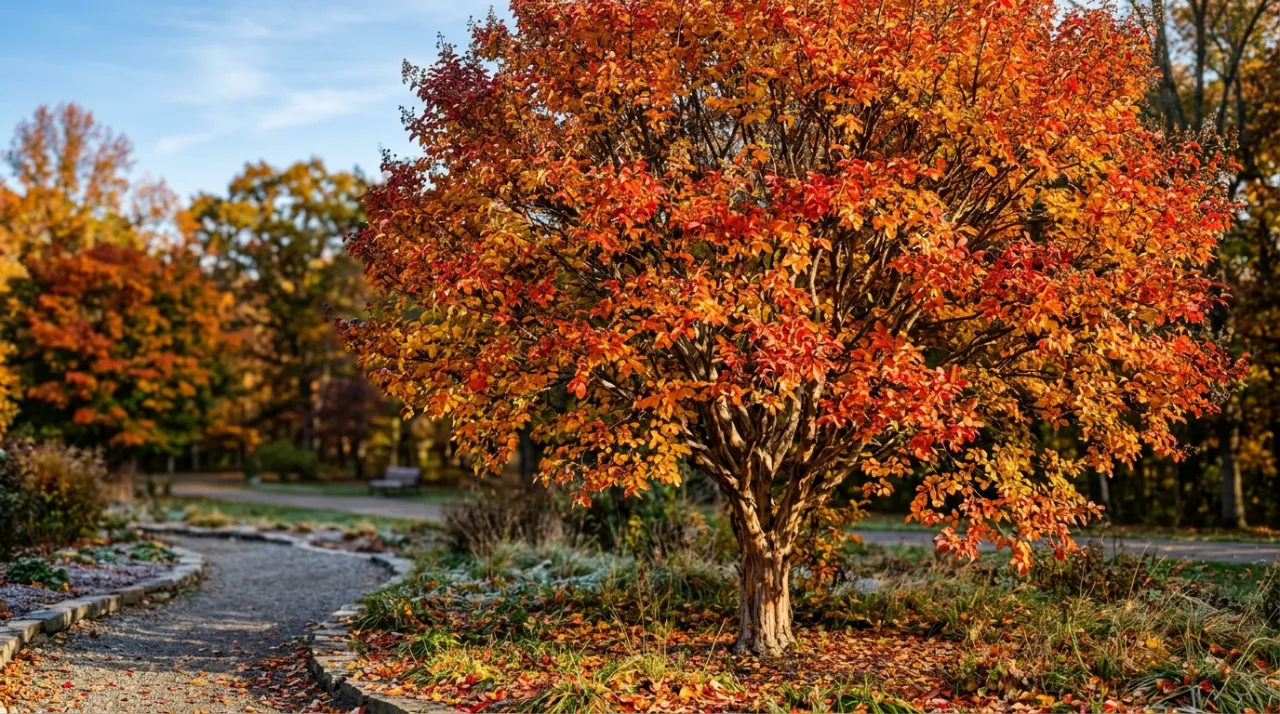
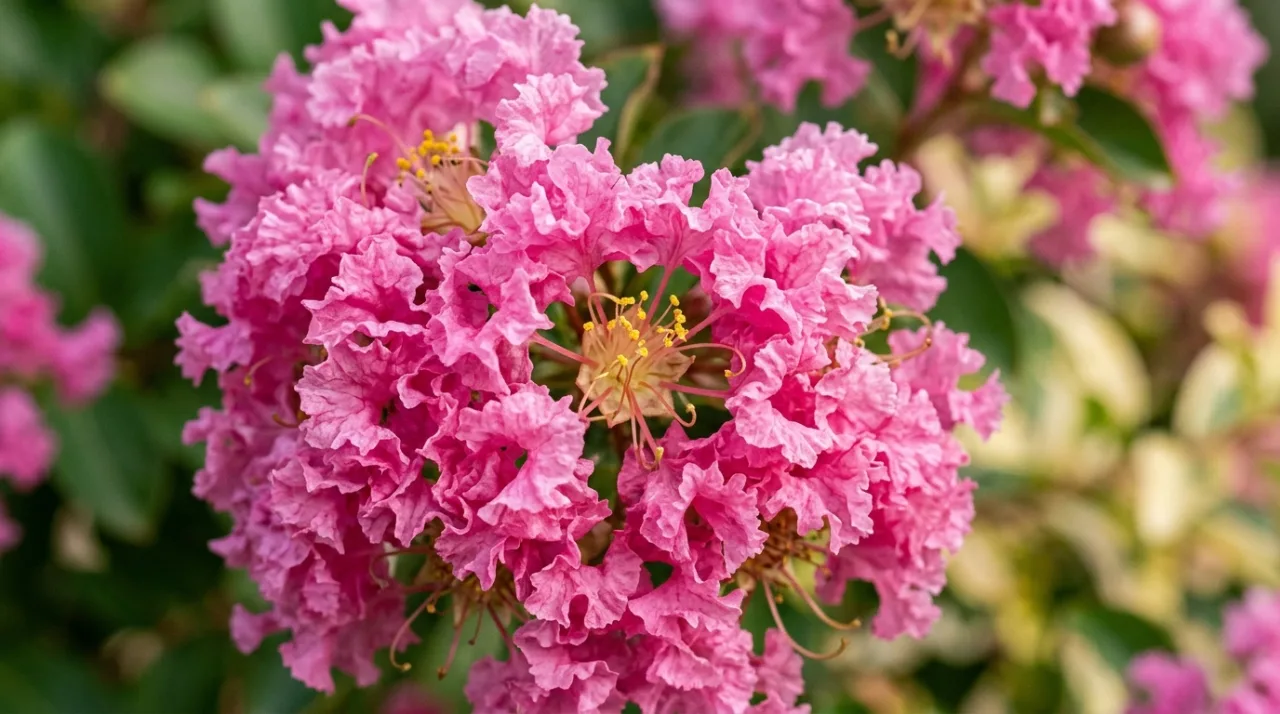
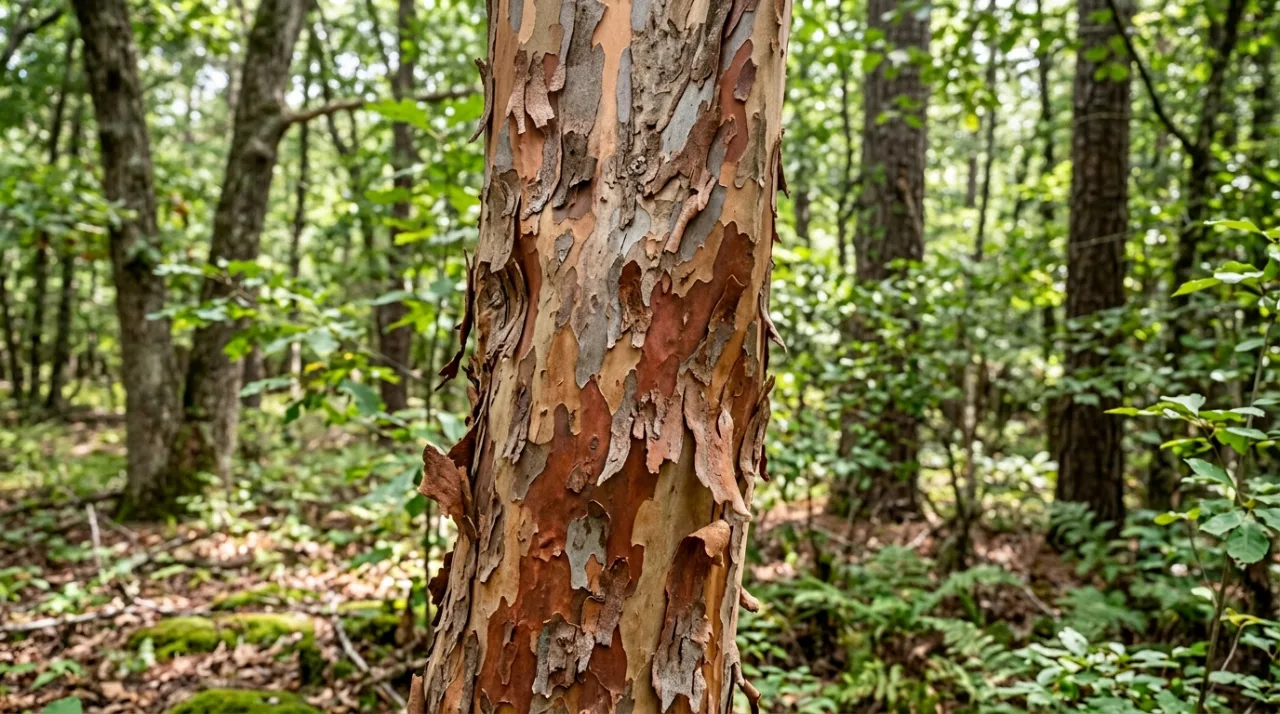
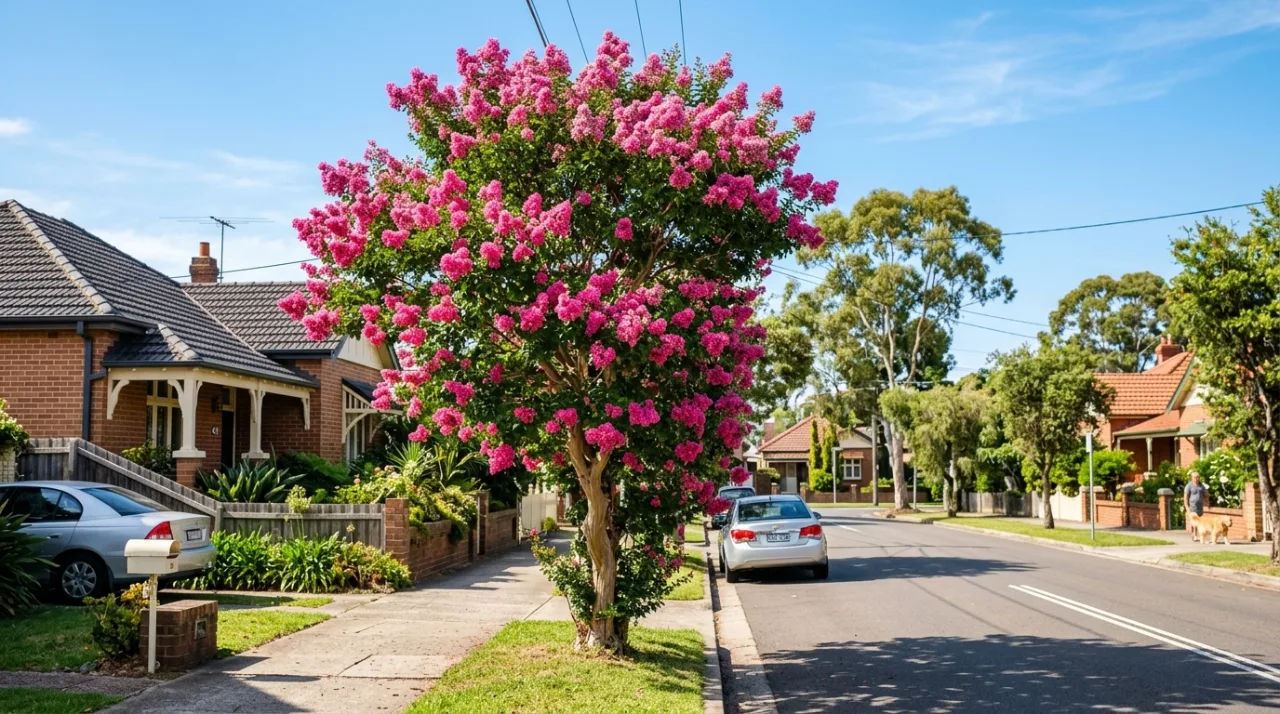
Crepe myrtles are deciduous trees and large shrubs grown for their long summer flowering, in shades of white, pink, mauve, red and purple. They also offer smooth, mottled bark and good autumn foliage colour. They’re widely planted across Australia as street trees, feature trees and in smaller gardens, and cope well with heat and dry spells once established.
Best crepe myrtle varieties for Australia
Modern hybrids (particularly the Indian Summer range) were bred for improved mildew resistance and are popular choices. Sizes range from small shrubs to trees several metres tall, so match the variety to the space:
- Dwarf / small (around 1–2 m) — good for pots and small gardens.
- Medium (around 3–5 m) — feature trees for suburban blocks.
- Large (5 m+) — street and shade trees.
Choose the mature size first, then the flower colour — this avoids the temptation to over-prune a too-big tree later.
Where and how to plant
Crepe myrtles flower best in full sun and need free-draining soil. Too much shade means fewer flowers and more disease. Plant with room to reach full size, water regularly while establishing, then irrigate during extended dry periods as needed. Mulch to conserve moisture and keep roots cool.
How to prune a crepe myrtle (and avoid “crepe murder”)
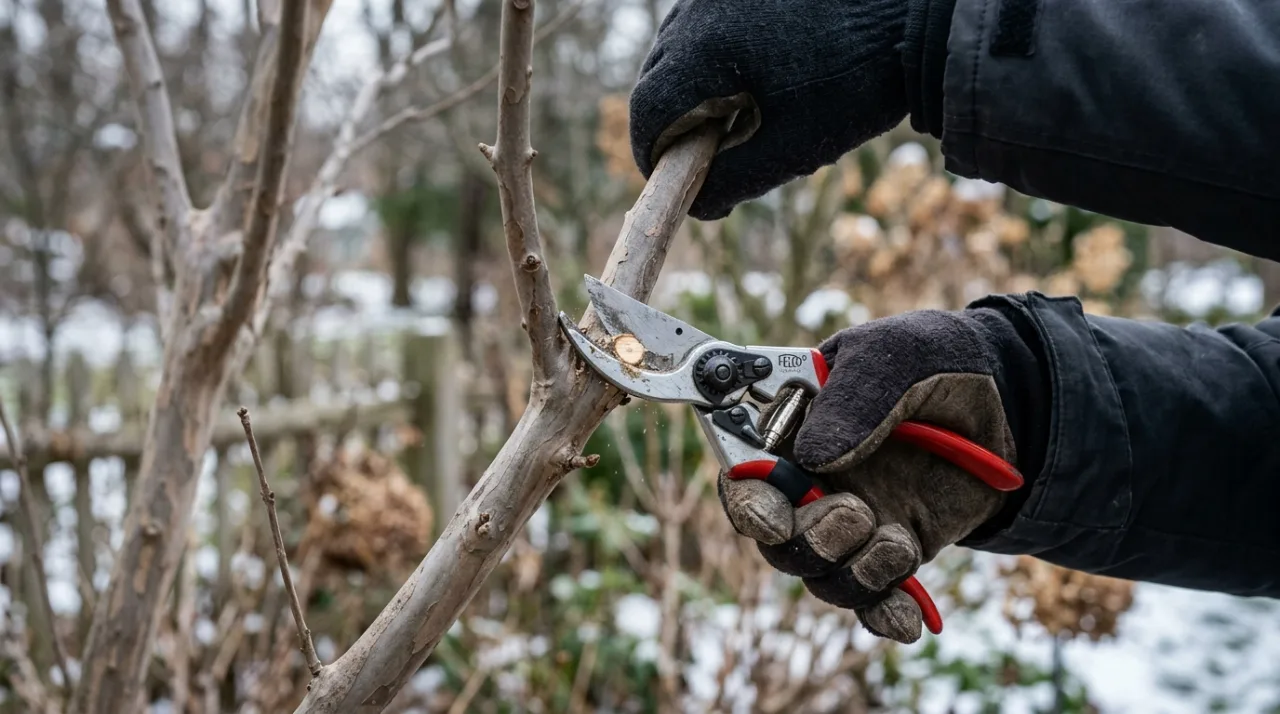
“Crepe murder” is the common mistake of hacking the tree back to thick stubs each year. It produces ugly knobs, weak whippy regrowth and spoils the natural shape. Instead, prune lightly in winter while the tree is bare: thin out crossing or crowded branches and lift the canopy gradually to show off the bark. Removing spent seed heads is optional tidying rather than something the tree needs to flower. The goal is a well-spaced framework, not a drastic cut-back. Choosing the right-sized variety in the first place removes most of the reason people over-prune.
Common problems: powdery mildew and sooty mould
Powdery mildew (a white, powdery coating on leaves and buds) is the main issue, worse in humid conditions, shade and poor air flow. Planting a resistant variety in full sun with good spacing prevents most of it. Sooty mould (black coating) grows on the honeydew left by aphids and scale — treat the pests and the mould clears. Good airflow, sun and not overcrowding are the best long-term defences.
For more popular flowering plants for Australian gardens, see our gardenia growing & care guide and our guide to Australian garden plants.
Frequently asked questions
When do crepe myrtles flower in Australia?
Through summer and into early autumn, with a long flowering season that’s one of the plant’s main attractions.
How do I prune a crepe myrtle properly?
Prune lightly in winter while bare — thin crowded and crossing branches and lift the canopy (removing spent seed heads is optional tidying). Avoid cutting back to thick stubs (“crepe murder”).
What is “crepe murder”?
It’s the harmful practice of hard-pruning a crepe myrtle to stubs each year, which causes knobby growth, weak regrowth and a spoiled shape. Light, selective pruning is far better.
Why isn’t my crepe myrtle flowering?
Usually too much shade, or over-pruning. Crepe myrtles need full sun to flower well, and flowers form on new growth, so harsh pruning can reduce the display.
How do I treat powdery mildew on a crepe myrtle?
Improve airflow and sun, avoid overcrowding, and choose mildew-resistant varieties. These cultural fixes prevent most mildew; treat active cases promptly.
Do crepe myrtles have invasive roots?
They’re generally considered to have non-aggressive roots for their size, but as with any tree, plant well clear of pipes, paving and foundations.
Can I grow a crepe myrtle in a pot?
Yes, especially the dwarf and small varieties. Use a large pot with good drainage, keep it in full sun and water regularly in summer.
Are crepe myrtles drought-tolerant?
Once established they cope well with heat and dry spells, though regular watering while they establish helps them settle in.


