
Gardenia in Australia: Growing, Care & Problem-Solving Guide

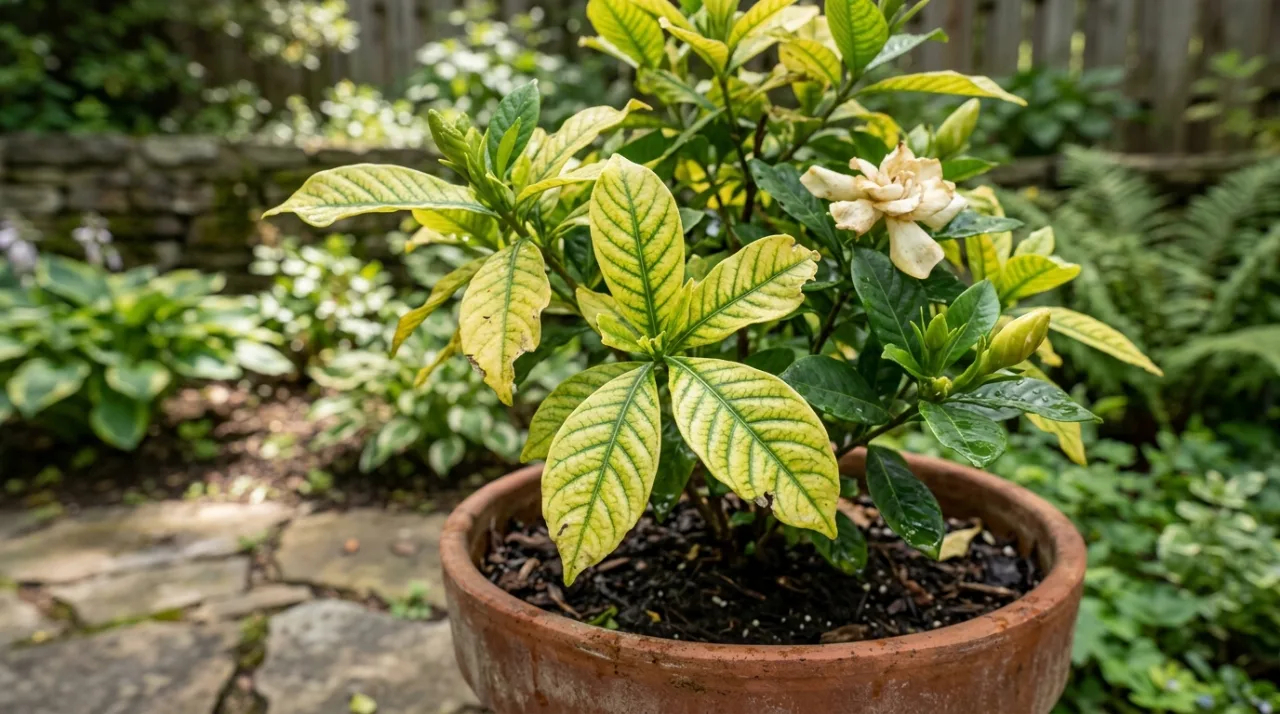
Gardenias are one of Australia’s most loved fragrant shrubs — glossy evergreen leaves and intensely perfumed white flowers through the warmer months. They reward the right position and feeding, but yellow leaves and bud drop are common when conditions aren’t quite right. This guide covers planting, soil, watering, feeding, pruning and varieties, with a link to our detailed troubleshooting guide.
About gardenias
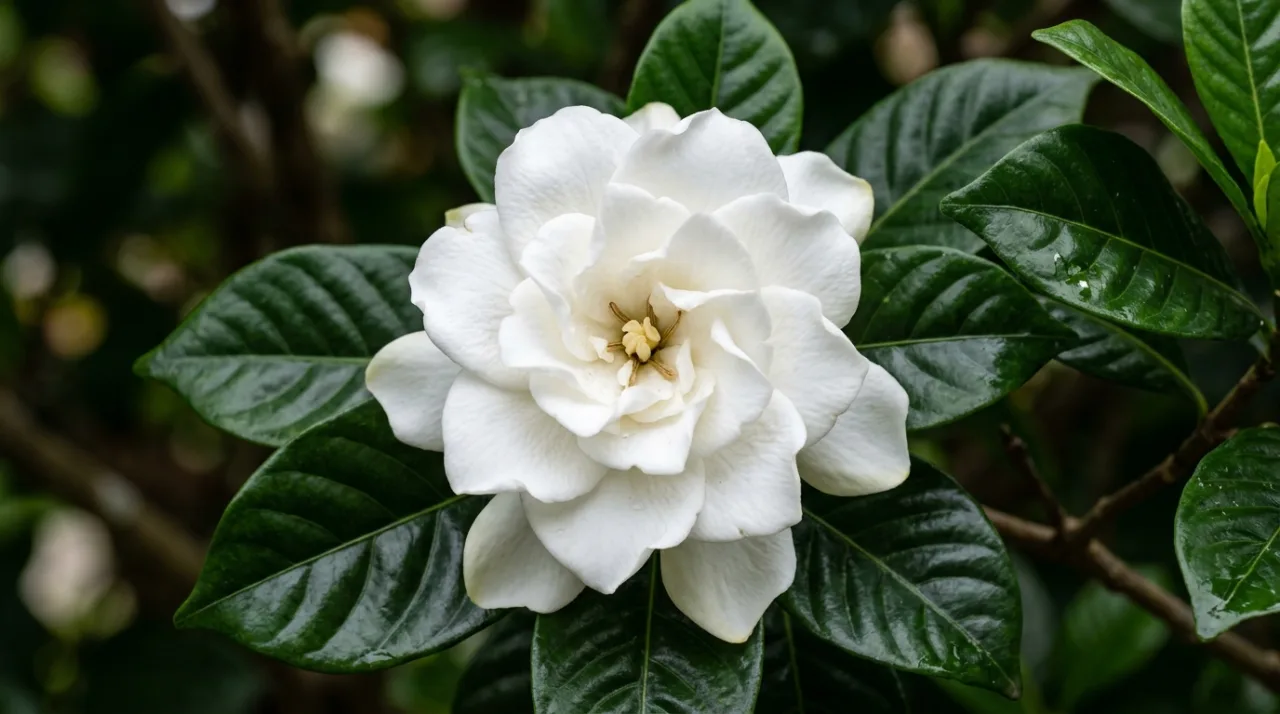
Gardenias are evergreen shrubs grown for their heavily perfumed white flowers and dark glossy foliage. They suit warm-temperate, subtropical and tropical gardens across much of Australia, in garden beds, as low hedges or in pots. They flower mainly from late spring through summer, and some varieties repeat-flower into autumn.
Where to plant a gardenia
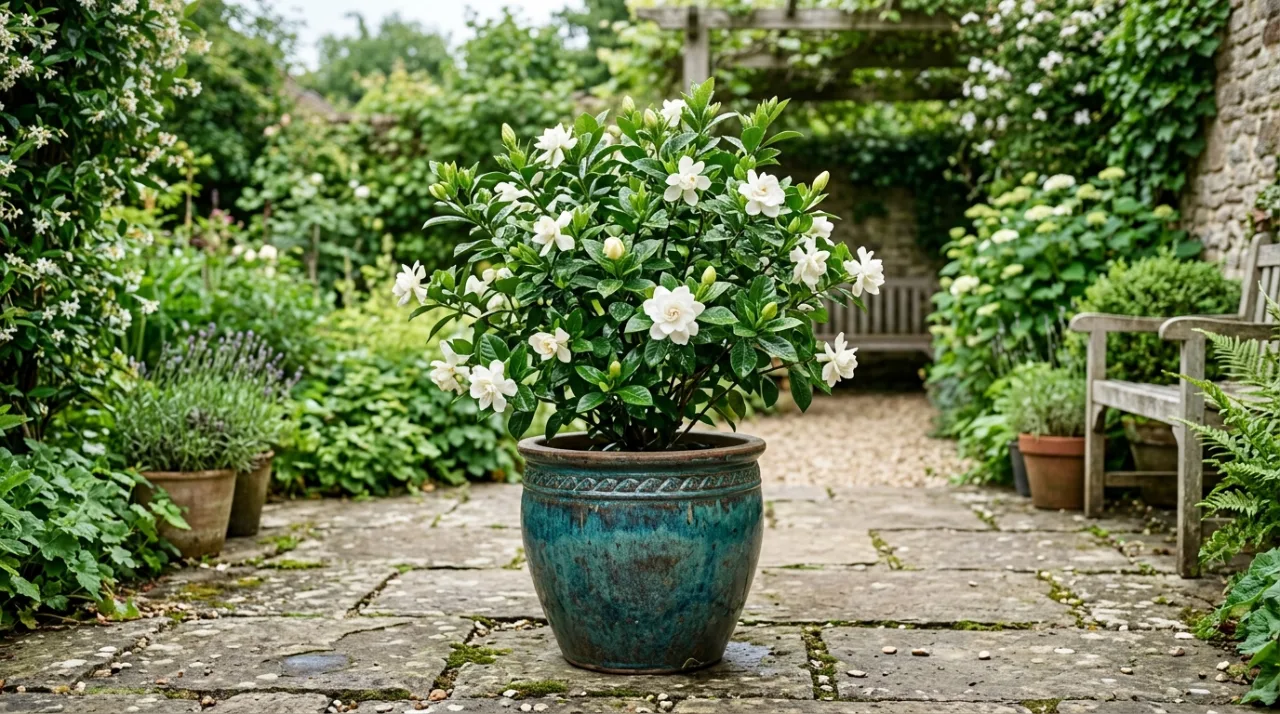
Gardenias like a warm, sheltered spot with full sun to part shade — in hot inland areas, protection from harsh afternoon sun helps. They dislike cold, exposed positions and competing tree roots. Give them good air flow and don’t crowd them. They grow well in large pots, which is useful in cooler areas where they can be moved to shelter.
Soil: gardenias need it acidic
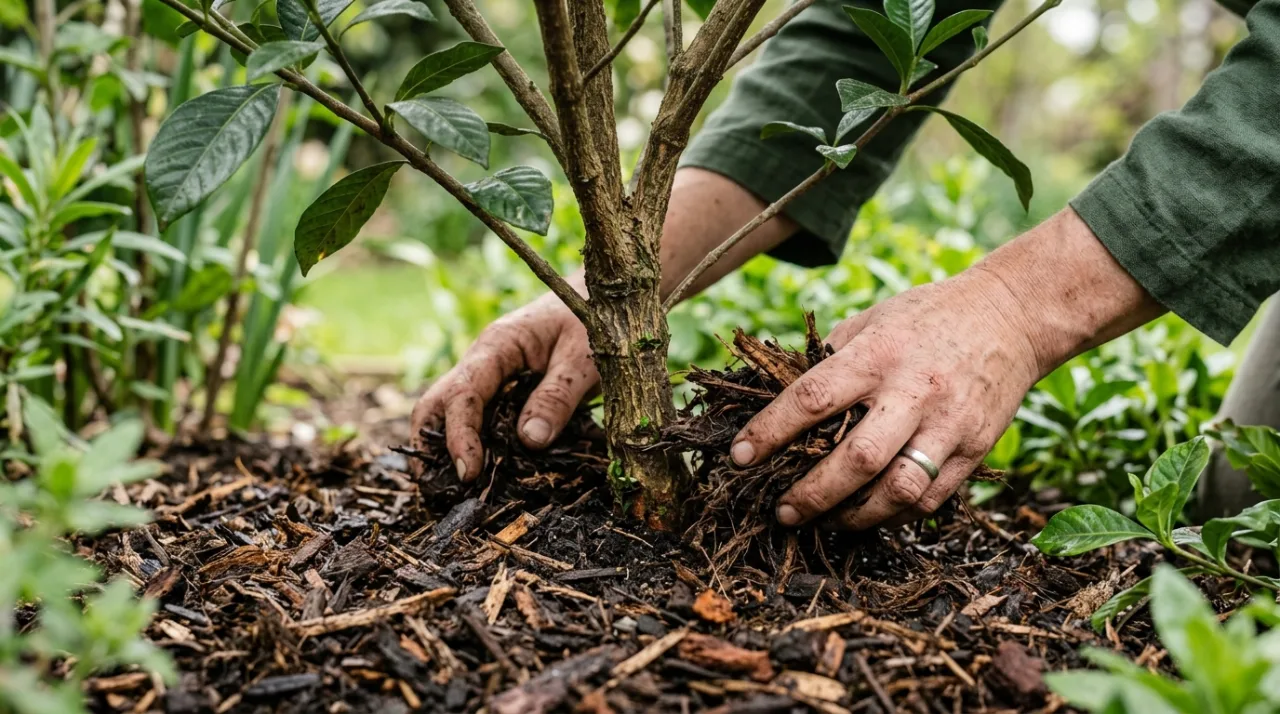
This is the single most important factor. Gardenias are acid-loving plants and struggle in alkaline soil — the classic symptom is yellowing leaves with green veins (iron chlorosis). Plant into rich, free-draining, slightly acidic soil improved with compost, and use an acidic potting mix (such as one formulated for camellias and azaleas) in containers. Mulch to keep roots cool and moist.
Watering
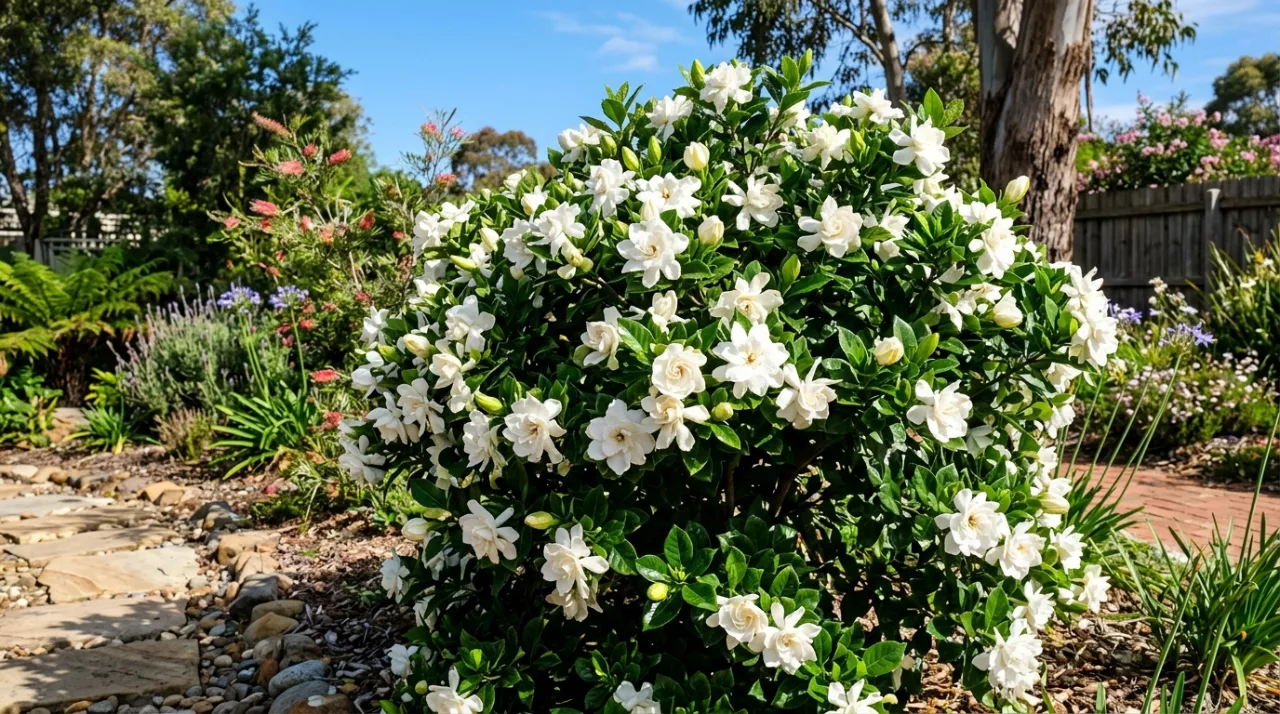
Keep the soil consistently moist but never waterlogged, especially while the plant is flowering and through hot, dry spells. Water deeply rather than lightly and often, and mulch well. Potted gardenias dry out faster and need closer attention in summer.
Feeding for healthy leaves and flowers
Feed in the warm growing season with a fertiliser formulated for acid-loving plants (camellia/azalea food), following the label rate. This supports both flowering and the deep green foliage. Yellowing between feeds often signals a nutrient or pH issue rather than a watering one.
Pruning
Prune lightly after the main flush of flowering to shape the plant and encourage bushy growth. Remove spent flowers and any weak or crossing stems. Avoid heavy pruning while the plant is setting buds.
Common gardenia problems
The most frequent issues in Australian gardens are yellow leaves (often high soil pH limiting iron availability, root stress, drainage or other nutrient issues), bud drop (often sudden changes in temperature, watering or position), and sooty mould that follows sap-sucking pests such as scale and aphids. For a full walkthrough of causes and fixes, see our detailed guide to gardenia problems in Australia.
Gardenia varieties for Australian gardens
- Gardenia ‘Florida’ — compact, free-flowering, popular for pots and borders.
- Gardenia ‘Magnifica’ — larger shrub with big double blooms.
- Gardenia ‘Radicans’ — low, spreading groundcover form with smaller leaves and flowers.
- Gardenia jasminoides (syn. Gardenia augusta) — the species behind most garden gardenias in Australia.
For more fragrant and flowering shrubs, explore our guide to Australian garden plants.
Frequently asked questions
Why are my gardenia leaves turning yellow?
Most often the soil is too alkaline (limiting iron availability), or drainage or root health is poor. Use an acidic fertiliser, improve drainage and keep the soil slightly acidic. See our gardenia problems guide for detail.
Why is my gardenia dropping its buds?
Bud drop is usually triggered by sudden changes — temperature swings, inconsistent watering, or being moved. Keep conditions stable and watering even while buds form.
How much sun does a gardenia need?
Full sun to part shade, with protection from harsh afternoon sun in hot inland areas. Too much shade reduces flowering.
What is the best fertiliser for gardenias?
A fertiliser formulated for acid-loving plants (camellia and azalea food), applied through the warm growing season at the label rate.
Can I grow a gardenia in a pot?
Yes. Use an acidic potting mix, a pot with drainage, and water and feed more attentively than for plants in the ground, as pots dry out faster.
When do gardenias flower in Australia?
Mainly from late spring through summer, with some varieties repeat-flowering into autumn.
How do I prune a gardenia?
Prune lightly after the main flowering flush to shape and encourage bushiness, removing spent flowers and weak stems. Avoid heavy pruning while buds are setting.
Why does my gardenia have black, sooty leaves?
Sooty mould grows on the honeydew left by sap-sucking pests such as scale and aphids. Treat the pests and the mould will clear over time.


