
Best Hedges for Shade & Coastal Gardens Australia

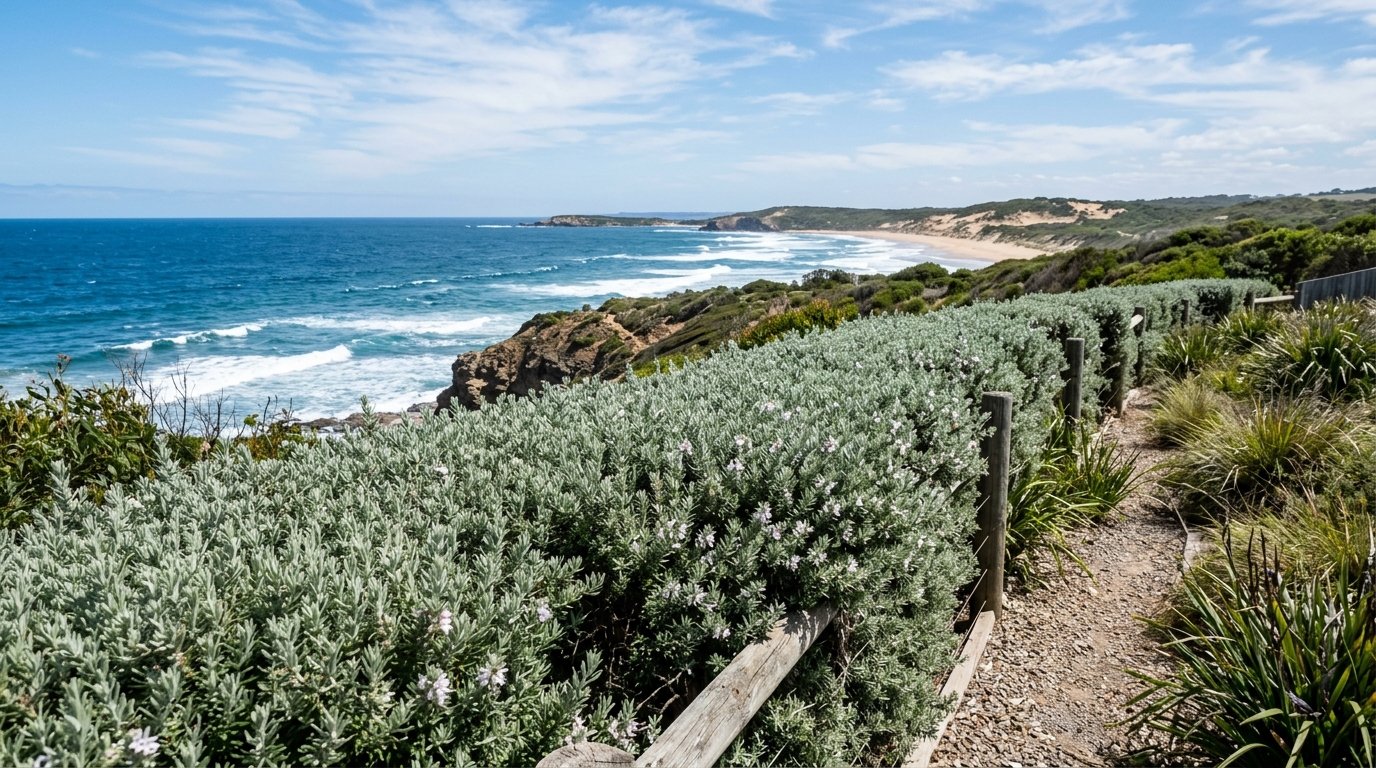
The best hedge for a difficult position is the one already adapted to that stress — shade-tolerant species for dark side gardens, salt- and wind-hardy natives for the coast, and tough evergreens for exposed or dry spots. In shade, Sweet Viburnum, Camellia and some Lilly Pilly cope where sun-lovers thin out. On the coast, Westringia (Coastal Rosemary), Banksia and other salt-tolerant natives shrug off wind and spray that would scorch a Murraya or Photinia. Matching the plant to the condition matters far more than any feeding or trimming regime.
Most hedge failures in tough spots are selection failures, not care failures. A shade-hating plant put in a dark side passage will always be thin and leggy no matter how well you feed it; a salt-sensitive plant on an exposed coast will always look burnt. Choose a plant that is already built for the stress, and the hedge does most of the work itself.
Match the plant to the problem
| Difficult condition | Reliable choices | Avoid |
|---|---|---|
| Shady side garden (part shade) | Sweet Viburnum, Camellia, some Lilly Pilly | Sun-loving Murraya, Photinia in deep shade |
| Coastal / salt & wind | Westringia, Banksia, coastal natives | Salt-sensitive ornamentals |
| Hot, dry, exposed | Westringia, tough natives, Murraya (frost-free) | Moisture-loving softer plants |
| Deep shade (little direct light) | Very few hedges thrive — rethink the screen | Most dense formal hedges |
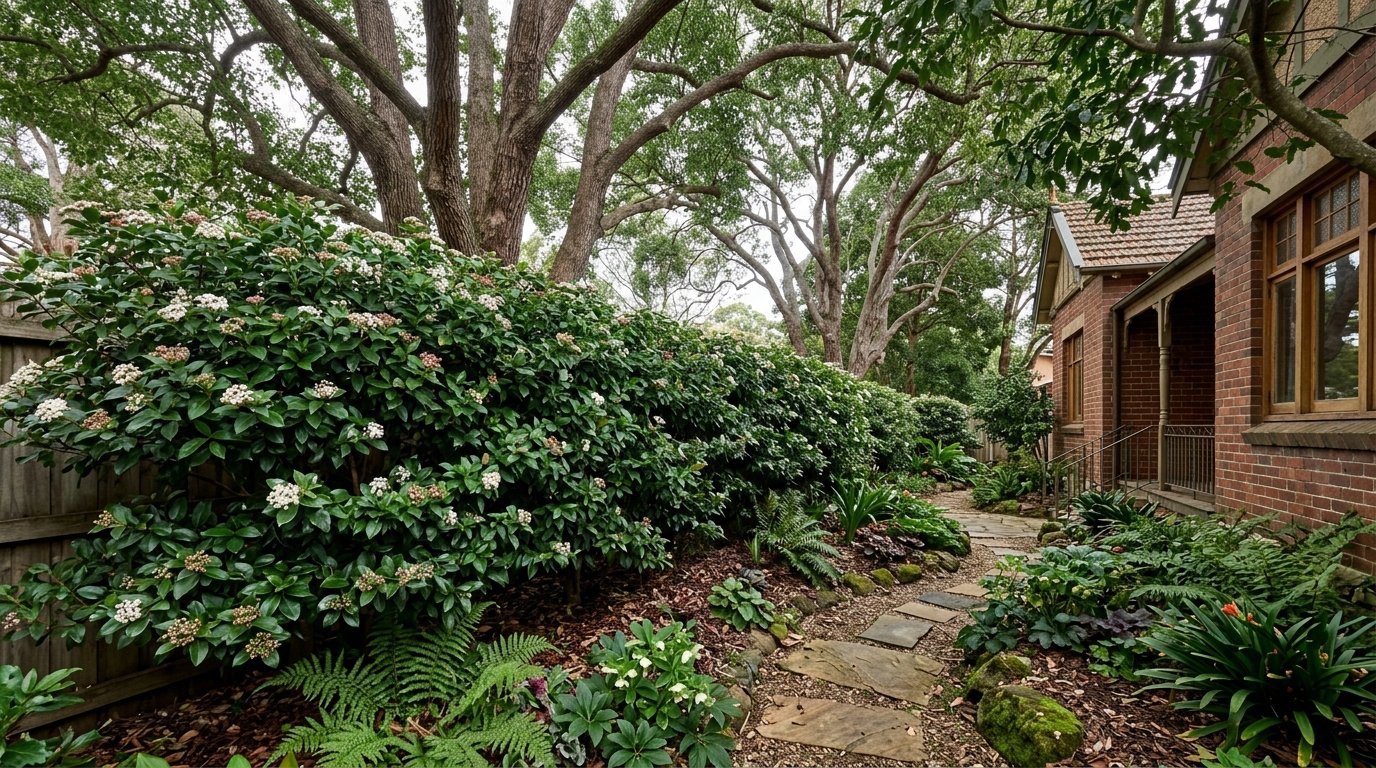
Shade: why most hedges struggle
Most dense, formal hedge plants want good light to stay full from top to bottom.
In shade they stretch toward the light, thin out, and go bare at the base — the classic leggy shade hedge.
The answer is to choose genuinely shade-tolerant species, and to be honest about how much light the spot actually gets.
Part shade vs deep shade
There is a big difference between a spot that gets a few hours of sun or bright indirect light (part shade) and one that gets almost no direct light (deep shade).
Many “shade-tolerant” plants really mean part-shade tolerant.
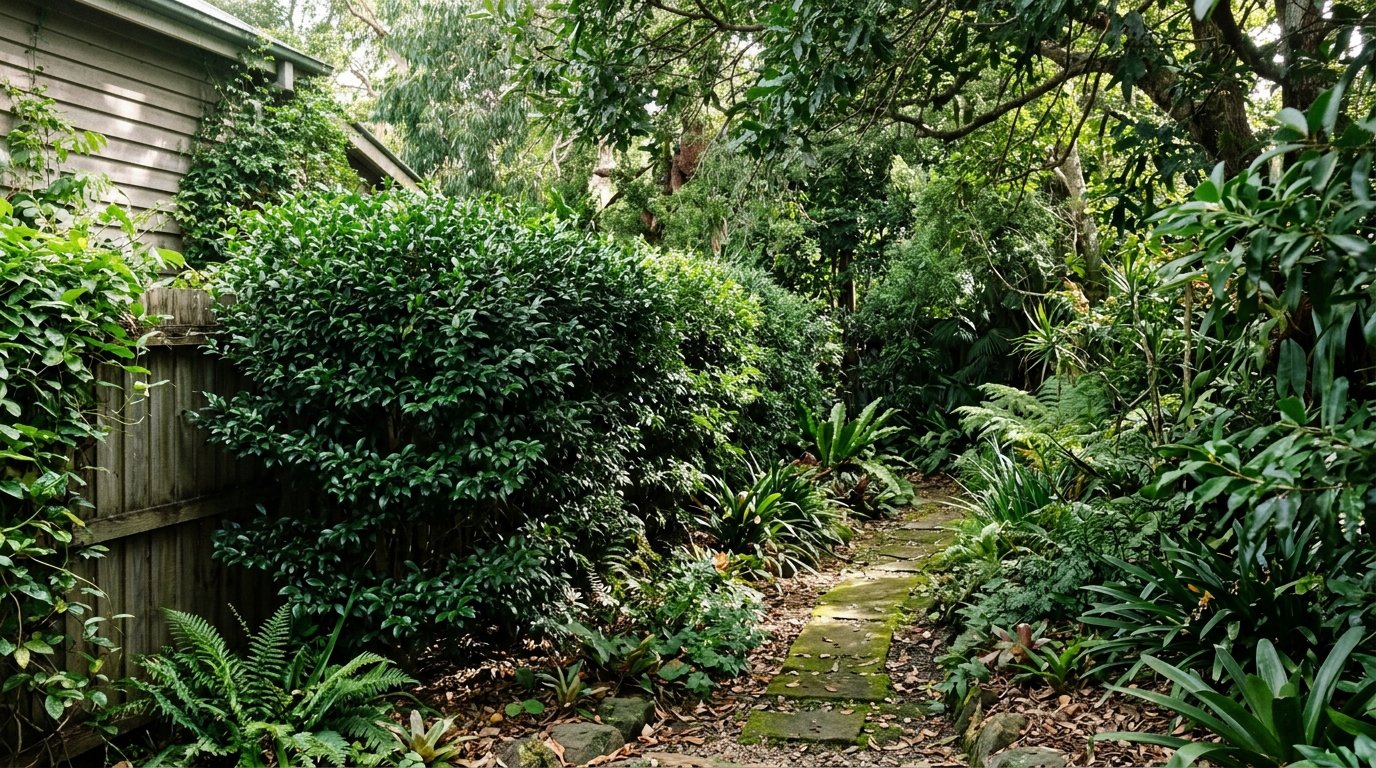
In genuinely deep shade — a narrow south-facing side passage between two buildings — very few hedges will ever be dense. There, it may be better to rethink the screen entirely rather than fight a losing battle.
Good hedges for shade
Sweet Viburnum tolerates part shade well and stays reasonably dense. Camellias make beautiful informal shade screens and even flower in lower light. Some Lilly Pilly varieties cope with part shade, though they are densest in good light.
These will not perform in pitch dark, but in a bright-shade or part-shade position they can make a genuine hedge where a sun-lover would fail.
What to avoid in shade
Sun-loving hedges like Murraya and Photinia will generally disappoint in real shade — sparse growth, few flowers, and thinning at the base.
They are excellent plants in the right light; a dark side garden is simply the wrong place for them.
Coastal gardens: salt and wind are the real enemies
On the coast, the challenge is not just wind but salt — both airborne spray and salt in the soil.
Salt-sensitive plants develop burnt, brown leaf edges and struggle in exposed positions.
The solution is to plant species that evolved with, or reliably tolerate, coastal exposure.
Good coastal hedge plants
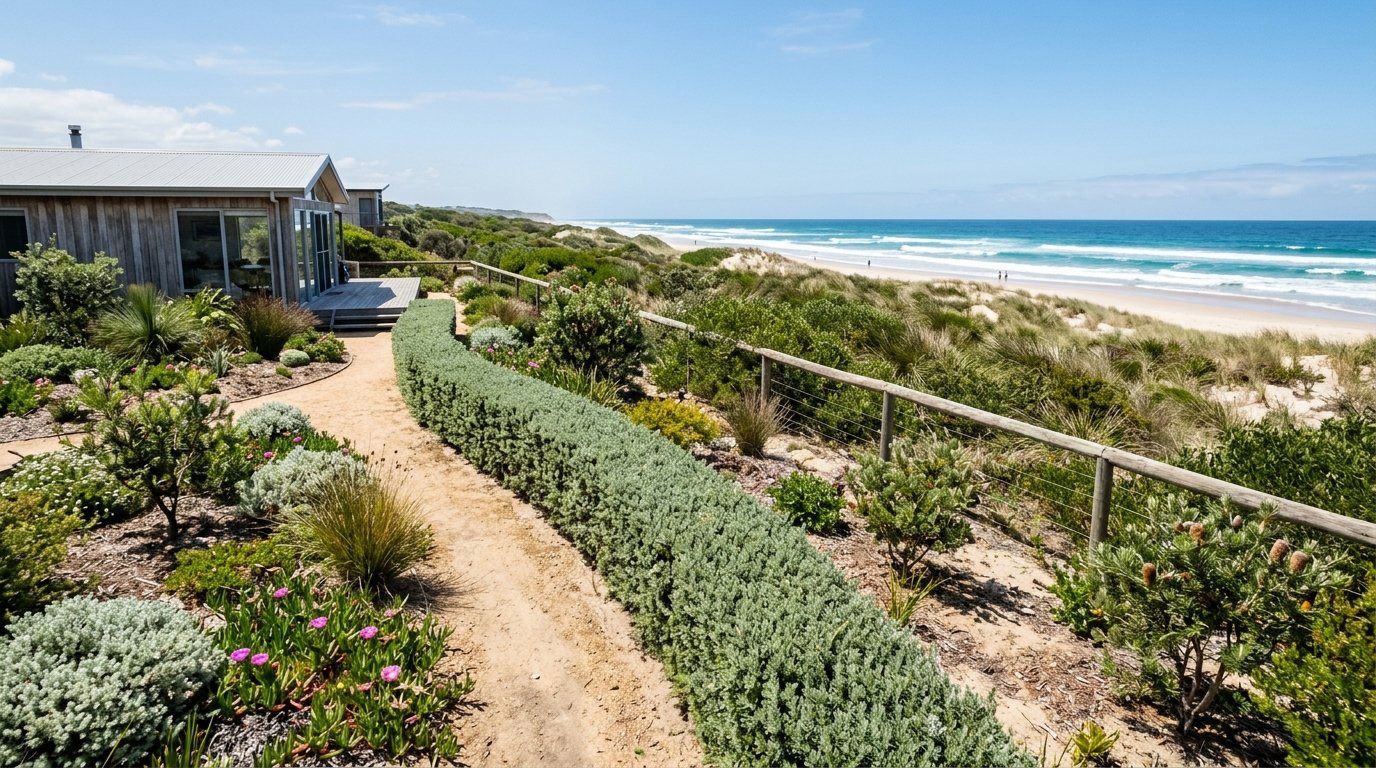
Westringia fruticosa — aptly named Coastal Rosemary — is one of the most reliable salt- and wind-tolerant native hedges. Banksias and various other coastal natives also handle exposure well.
These plants tolerate conditions that would scorch softer ornamentals, which is exactly why they dominate coastal plantings.
Direct spray vs general coastal exposure
Even among coastal plants, tolerance varies.
A front-row position taking direct salt spray off the water is far harsher than a garden a few streets back that only gets general coastal wind.
The more direct the salt exposure, the tougher the species you need — and sometimes a hardy front-row screen to protect slightly less tough plants behind it.
Wind: layered screening works best
In very windy positions, a single row of hedge takes the full force.
A tougher outer screen that filters the wind lets you grow a wider range behind it.
Solid barriers can create turbulence; a living, semi-permeable hedge often filters wind better than a solid fence, reducing the battering on everything downwind.
Hot, dry and exposed sites
For hot, dry, exposed positions, drought-tolerant natives such as Westringia and other tough natives generally outperform moisture-loving plants.
Murraya can also cope with heat in frost-free areas once established.
Improve the soil, mulch well and water through establishment — but the base choice should still be a plant suited to dry exposure, not one that needs constant moisture.
Establishment matters more in tough spots
Even a well-matched plant needs help to establish in a difficult position.
In its first season, a coastal or exposed hedge benefits from:
- good soil preparation;
- consistent watering while roots develop;
- mulch to buffer moisture and temperature;
- temporary wind protection in the harshest spots.
Once established, the right species largely fends for itself; the danger period is the first year.
Don’t fight the site — work with it
The single biggest lesson for difficult positions: stop trying to grow the plant you want and grow the plant the site wants.
A tough, well-adapted hedge that thrives beats a “prettier” species that always looks stressed, thin or burnt.
If your heart is set on a sensitive plant, protect it with a hardy outer screen rather than exposing it directly.
Common tough-site mistakes
Putting a sun-lover in deep shade
It will thin and go leggy no matter how you feed it.
Using salt-sensitive plants on the coast
Burnt leaf edges and poor growth are inevitable.
Ignoring the difference between part and deep shade
Most “shade” plants really mean part shade.
Relying on a solid fence for wind
A semi-permeable hedge often filters wind better.
Skipping establishment care
Even tough plants need water and shelter in year one.
Fighting the site instead of matching it
A well-adapted plant always beats a stressed unsuitable one.
Difficult position? Let us match the right hedge to it
Shady side gardens and exposed coastal boundaries are where the wrong plant wastes the most money. If you have a tough spot to screen, Garden Green can help you choose a hedge actually suited to your light, salt and wind — and get it established. Get in touch to talk through your conditions.
The right plant makes a hard site easy
To hedge a difficult position successfully:
- be honest about the condition — part shade or deep shade, direct spray or general exposure;
- choose a species already adapted to that stress;
- use a hardy outer screen to protect softer plants where needed;
- prepare soil, mulch and water carefully through establishment;
- work with the site rather than against it.
Difficult conditions are only difficult for the wrong plant. Choose one built for shade, salt or exposure and the hard part is over before you pick up the trimmer.
Frequently asked questions
What is the best hedge for a shady garden in Australia?
In part shade, Sweet Viburnum, Camellia and some Lilly Pilly varieties cope well where sun-lovers thin out. Be honest about the light, though — most “shade-tolerant” plants really mean part-shade tolerant, and in genuinely deep shade very few hedges stay dense. Match the plant to how much light the spot actually receives.
Which hedge plants tolerate coastal salt and wind?
Westringia fruticosa (Coastal Rosemary) is one of the most reliable salt- and wind-tolerant native hedges, and Banksias and other coastal natives also handle exposure well. These tolerate conditions that would scorch softer ornamentals. The more direct the salt spray, the tougher the species you need.
Why does my hedge go leggy and bare in the shade?
Most dense hedge plants need good light to stay full from top to bottom. In shade they stretch toward the light, thin out and go bare at the base. The fix is to choose a genuinely shade-tolerant species and to be realistic about whether the spot is part shade or deep shade, where almost nothing stays dense.
Can I grow Murraya or Photinia in shade?
Generally not well. Murraya and Photinia are sun-lovers and tend to grow sparse, flower poorly and thin at the base in real shade. They are excellent plants in good light, so a dark side garden is simply the wrong place for them. Choose a shade-tolerant species there instead.
What is the difference between part shade and deep shade for hedges?
Part shade means a few hours of sun or bright indirect light, where many “shade-tolerant” hedges perform. Deep shade means almost no direct light, such as a narrow south-facing passage between buildings, where very few hedges ever become dense. Knowing which you have determines whether a hedge is realistic at all.
Is a hedge or a solid fence better for wind?
A living, semi-permeable hedge often filters wind better than a solid fence, which can create turbulence on the downwind side. In very windy positions, a tough outer screen that filters the wind also lets you grow a wider range of plants behind it, reducing the battering on everything downwind.
How do I establish a hedge in a harsh coastal or exposed spot?
Even a well-matched plant needs help in year one: good soil preparation, consistent watering while roots develop, mulch to buffer moisture and temperature, and temporary wind protection in the harshest positions. Once established, the right species largely fends for itself, so the first season is the critical period.
What if I really want a plant that is not suited to my site?
Rather than exposing a sensitive plant directly, protect it with a hardy, well-adapted outer screen and grow the softer plant behind it. In general, a tough hedge that thrives beats a prettier species that always looks stressed, thin or burnt, so working with the site gives the better long-term result.


