Don’t panic—but act fast. That yellowing or wilting isn’t just a cosmetic issue; it’s a distress signal. Your Canberra Gem is telling you exactly what’s wrong, do not ignor Grevillea Canberra Gem problems, the damage could become permanent,
I’ve broken down the exact “SOS signals” below so you can identify the cause and stop the decline today. Let’s get your hedge back to that deep, vibrant green before it’s too late.
Quick Grevillea Diagnosis Table
If you’re just starting your gardening journey, head back to our Canberra Gem Hub Page.
View the Complete Care Guide →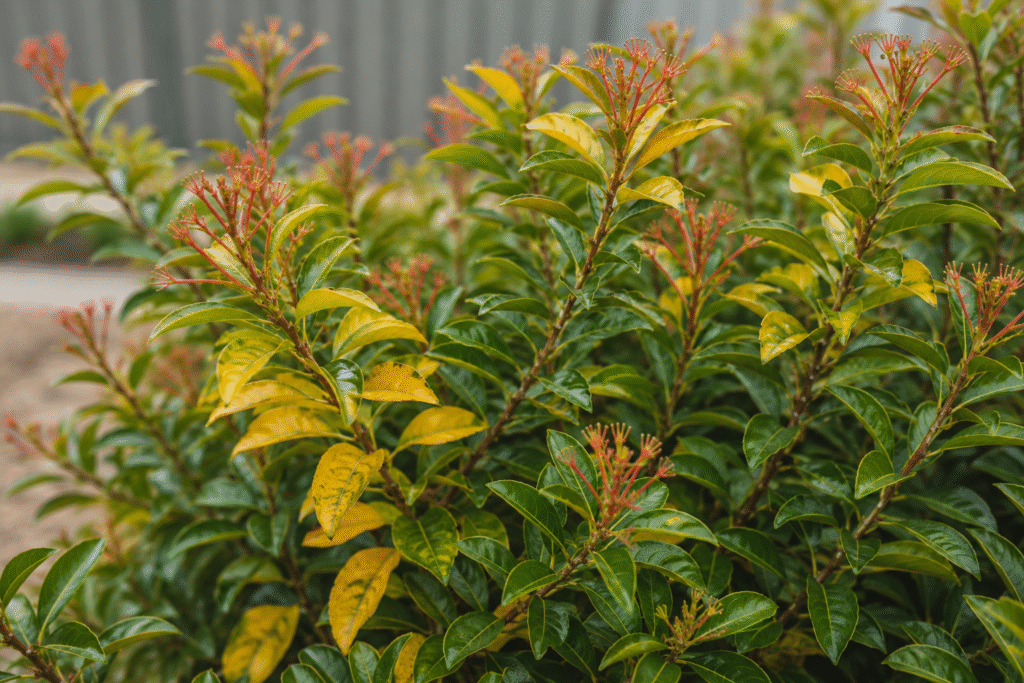
Why Grevillea Canberra Gem facing Yellow leaves?
Why is my Grevillea Canberra Gem Dying?
Use this visual symptom checker to identify the exact cause of your native shrub’s decline.
Yellowing Leaves & Dieback
Cause: Phosphorus Toxicity. Grevilleas are highly sensitive to standard fertilizers.
Fix: Flush soil & use Native-Only foodSudden Branch Collapse
Cause: Phytophthora Root Rot from sitting in heavy, waterlogged clay soil.
Fix: Improve drainage & mound plantingPhoto Here
Sparse Foliage / No Flowers
Cause: Lack of sunlight or failure to prune. They need full sun to stay dense.
Fix: Relocate to sun & tip-pruneCrispy, Brittle Leaves
Cause: Severe dehydration. Young tubestock hasn’t established deep roots yet.
Fix: Deep soak at base & apply mulch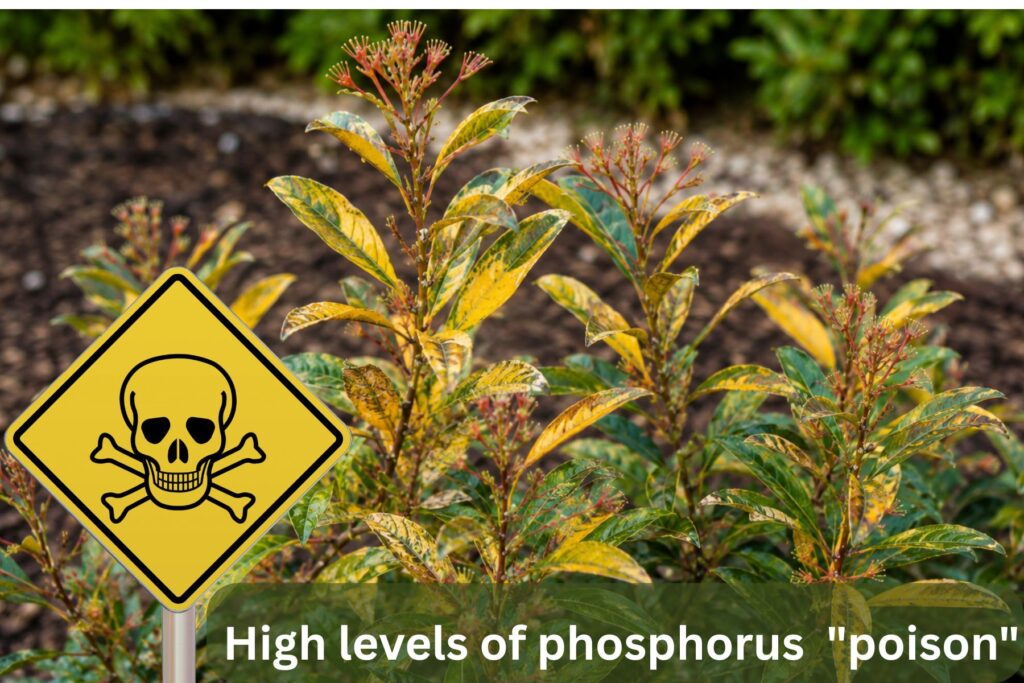
The Killer: Phosphorus Toxicity
This is the most common mistake Australian gardeners make. Standard garden fertilisers contain high levels of phosphorus that “poison” the root system of your Canberra Gem. If your leaves are yellowing, your soil chemistry is likely out of balance. as it is most trouble making Grevillea Canberra Gem problems
Don’t guess with your soil—measure it.Shop Soil pH TestersBuy Safe Native Food
Root Rot from Heavy Clay Soils
Canberra Gems hate “wet feet.” In heavy clay, water pools around the roots, leading to suffocating fungal issues. If your plant is wilting despite being watered, drainage is your enemy, root rot is one of the major Grevillea Canberra Gem problems.
To break up heavy clay and rescue your plants, add liquid gypsum or build up the planting site. Check out our recommended drainage kits here.
My Personal “Canberra Gem” Drainage Rescue Kit
Look, I’ve been right where you are. You put in the heart and soul to plant a beautiful hedge, only to watch it struggle because the soil just won’t “breathe.” It’s frustrating, but it’s fixable. Canberra Gems are tough survivors, but they truly hate having “wet feet.” Here is exactly what I use to turn the soil around and get them back to their vibrant, healthy selves.
The Toolbox I Trust:
- 💧 Liquid Gypsum: Think of this as an instant “breath of fresh air” for your soil. It gently breaks down heavy clay so roots can finally stretch out and drink properly.
- ⛰️ Mounding Starter Mix: I swear by building a small “raised bed” for every plant. This premium, free-draining mix keeps the crown of your plant safely above the soggy ground.
- 📏 Drainage Pro-Test: Before you add anything, do a quick 5-minute test. It takes the guesswork out of the whole process so you aren’t just crossing your fingers!
Grevillea Canberra Gem in Pots: Soil, Watering, and Care Tips
Read the full breakdown in our official guide: .
Read the Full Guide →Sick of Fighting Grevillea Canberra Gem problems?
Sometimes, despite our best efforts, the soil in a specific part of the yard is simply too challenging for sensitive native shrubs. If you want the look of a perfect, lush green screen without the constant worry of dieback or soil testing
Then it is time to switch to a permanent solution and invest in a high-quality artificial screen that stays dense and green through the toughest heatwaves.
Think of it as ‘strategic landscaping.’ Use your energy to nurture the plants that want to thrive in your soil, and use artificial greenery to fill in the gaps where nature makes it too difficult. It’s the smartest way to ensure your entire backyard stays the sanctuary you deserve.
Upgrade to Garden Green Artificial Shrubs →
To read more on this topic, click the link below.
Read there: How to Grow a Dense Grevillea Canberra Gem Hedge Spacing & Pruninge →The “Hidden” Pest Strategy
If your Canberra Gem is showing signs of mealybugs, act quickly. The dense foliage that makes this plant such an effective privacy screen can also provide the perfect hiding place for these sap-sucking pests.
Mealybugs weaken plants by feeding on sap, which can lead to yellowing leaves, reduced growth, and fewer flowers. They also leave behind a sticky residue called honeydew that encourages sooty mould and makes foliage look unhealthy.
Regular inspections and early treatment are the best ways to keep an infestation under control and maintain a healthy, vigorous hedge.
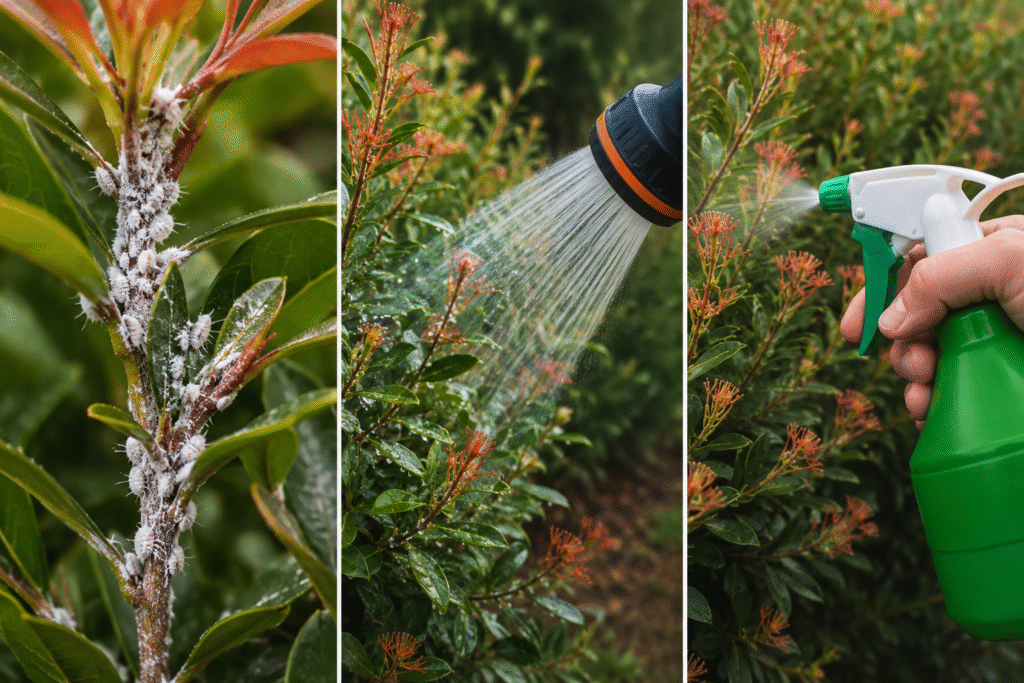
Your 3-Step Mealybug Action Plan
Start With a Strong Water Blast
A firm stream of water is often the simplest, most effective first step. Focus on those inner stems and hidden branches where mealybugs love to cluster. This physical removal can significantly reduce pest numbers before you even need to reach for a treatment.
Follow Up With Horticultural Oil
Once you’ve dislodged the worst of them, apply a quality horticultural oil following the label directions. It works by gently coating and suffocating the insects, remaining much safer for the native birds and beneficial insects in your garden than harsh chemical sprays.
Inspect Regularly
Mealybugs are masters of concealment and can return quickly if left unchecked. Make it a habit to check the inner canopy weekly, specifically around branch junctions. Early detection is your best secret weapon for keeping your Canberra Gem healthy year-round.
<strong>The Final Verdict:</strong>
<strong>How to overcome Grevillea Canberra Gem problems</strong>?
Gardening isn’t about having a flawless yard 365 days a year; it’s about knowing exactly how to respond when nature throws a curveball. Yes, seeing your Canberra Gem turn yellow, drop leaves, or wilt is incredibly stressful. But the days of panicking and guessing are over. You now know exactly how to read your plant’s SOS signals.
Whether you need to flush out toxic phosphorus, break up suffocating heavy clay, or banish a hidden mealybug infestation, you are no longer a bystander—you are a problem-solver.
You have the exact diagnostic tools and the precise rescue strategies to turn this situation around completely. The only difference between a lost hedge and a thriving, vibrant green sanctuary is taking action right now.
Your Action Plan for Rapid Recovery:
- Trust Your Diagnosis: Stop second-guessing. Match your plant’s symptoms to the fixes above and commit to the solution.
- Arm Yourself Today: Don’t wait to see if it “gets better on its own.” Grab your soil pH tester, liquid gypsum, or horticultural oil immediately. When a native plant is stressed, speed is your best friend.
- Watch for the Win: Keep your eyes on the branch tips. The moment you see fresh, deep green needles emerging, you will know you have officially won the battle and saved your plant.
You’ve got this. Grevillea Canberra Gem problems are no more issue for you ,Now go get your hands dirty and bring that Canberra Gem back to life!
Grevillea Canberra Gem Problems & Solutions
Why are the leaves on my Canberra Gem turning yellow?
Usually phosphorus toxicity from standard fertilisers. Flush the soil immediately and switch strictly to a low-phosphorus native plant food.
My plant is wilting, but the soil is wet. What’s wrong?
Wilting in wet soil is a classic sign of root rot from heavy clay. Stop watering, apply liquid gypsum, or replant on a raised mound to let roots breathe.
What is the sticky white fuzz on the inner branches?
That’s a mealybug infestation. Blast the inner canopy with a strong hose to dislodge them, then apply a bird-safe horticultural oil.
Half of my shrub is turning brown and dying back.
This points to localized root damage or fungal disease. Prune dead wood back to healthy green growth using sterilized secateurs and improve soil drainage.
Can I use regular potting mix for a sick Canberra Gem?
Never. Regular mixes are too rich in phosphorus and will shock your plant. Only use a dedicated, free-draining Native Potting Mix.
I just planted my hedge and it’s wilting. Is it dying?
It’s likely in transplant shock. Do not fertilise! Give it a deep, slow soak at the base with a seaweed root-stimulator to help it settle.
How fast does liquid gypsum work on clay soil?
Unlike slow powdered gypsum, liquid gypsum alters the soil structure within days. Use it as an immediate rescue treatment to improve drainage.
Should I heavily prune my sick plant to encourage growth?
No. Pruning forces a stressed plant to expend energy it doesn’t have. Only remove totally dead branches and leave the healthy green foliage intact.
Why is my Canberra Gem sparse and refusing to flower?
It’s likely starving for sunlight or overloaded with nitrogen. Ensure it gets 6 to 8 hours of direct sun daily and switch to a balanced native feed.
Why is my potted Canberra Gem looking terrible?
Over time, potting mix compacts and stops draining, causing “wet feet.” Elevate the pot to unblock drainage holes or repot with fresh Native Mix.
My plants keep dying in one spot. Should I give up?
Some garden spots are just hostile to natives. Save yourself the stress and switch to a high-quality artificial green screen for permanent, lush privacy.
How far apart should I plant them for a dense privacy hedge?
Space them exactly 1.5 metres apart. This ensures the prickly foliage interlocks tightly for a gap-free screen without roots aggressively competing for water.
When is the best time to prune a Grevillea in Australia?
Prune in late spring or early summer, right after the main flush of flowers finishes. This encourages dense, bushy growth and prepares it for the next season.