
Line Trimmer Buying Guide Australia: Cordless, Petrol or Electric?

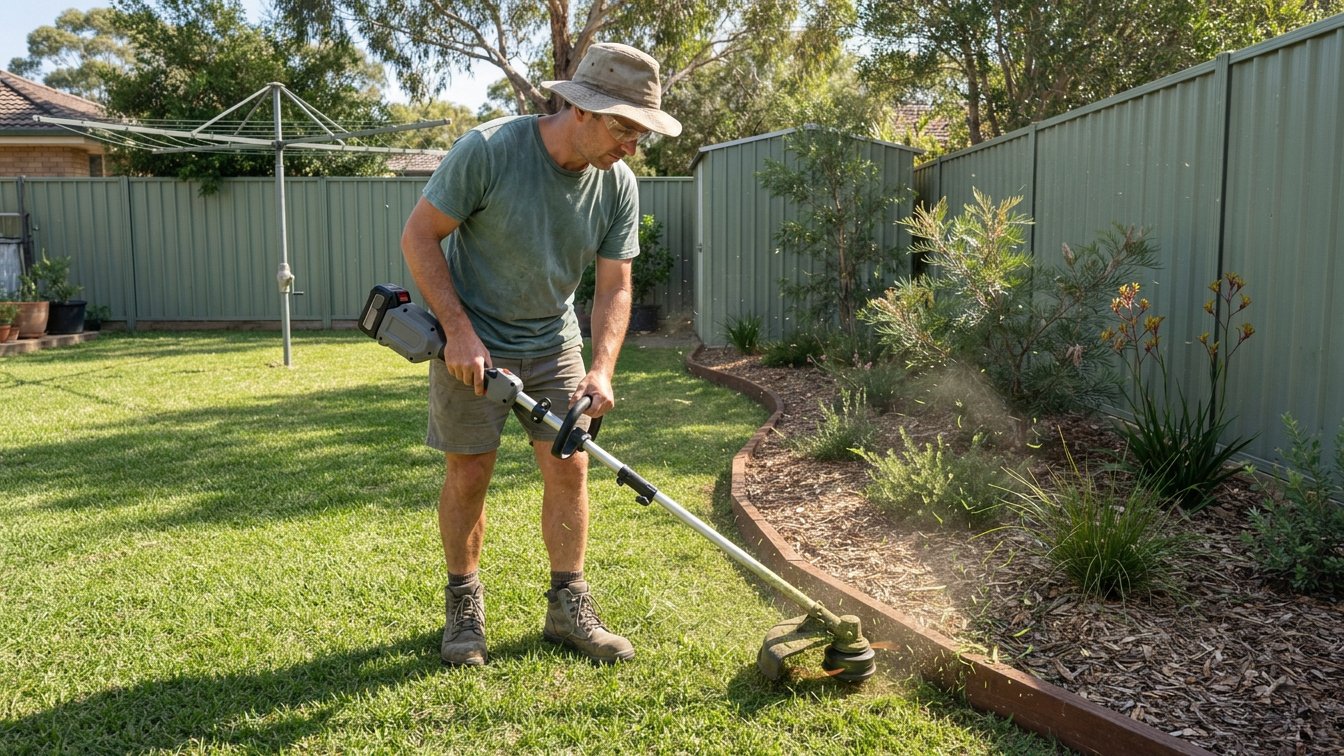
For most Australian yards, the best line trimmer (whipper snipper) is the lightest one that still has the power and run time to finish your edges and long grass in one go — not the biggest engine on the shelf. A small courtyard with a few garden edges needs something very different from a large block with long fence lines and rough grass. The right choice comes down to how much you cut, how often, and how comfortable the tool is to hold at arm’s length.
Quick pick: which line trimmer suits your yard?
| Your situation | What to prioritise | Why |
|---|---|---|
| Small courtyard or townhouse | Light cordless trimmer, small battery | Easy handling matters more than power or run time for a few minutes of edging |
| Typical suburban block | Mid-size cordless on a shared battery platform | Enough run time for the lawn edges, and the battery suits other tools too |
| Large block or long fence lines | High-power cordless (or petrol) with spare batteries | Run time and cutting power matter; you don’t want to stop mid-job |
| Rough grass, weeds, light scrub | Higher power, bump-feed or heavy-duty line | Thicker growth needs torque and a tougher cutting head |
| Shared across the household | Low weight, simple controls, low vibration | Comfort and ease of starting decide whether it actually gets used |
Corded, cordless or petrol?
This is the first decision, and it mostly follows the size of the job.
| Type | Best for | Trade-off |
|---|---|---|
| Cordless (battery) | Most suburban gardens — edges, lawns, light weeds | Limited by battery run time; large jobs need spare batteries |
| Corded (electric) | Small yards close to a power point | Tethered to an extension lead; reach and safety around the cord |
| Petrol | Large blocks, long run times, heavy growth | Heavier, louder, needs fuel and more maintenance |
For most Australian homes a cordless trimmer on a good battery platform is the easiest long-term choice. Petrol still leads where you need to run for a long time without stopping or cut heavy growth. If you are buying more than one cordless garden tool, it is worth choosing the battery platform first so the trimmer, blower and hedge trimmer all share one battery and charger.
Power and run time: match them to the job
With cordless trimmers, two things decide whether the tool finishes the job comfortably: the power of the motor and the run time of the battery. A bigger battery (more amp-hours) runs longer but adds weight; a more powerful motor cuts thicker growth but drains the battery faster. The useful question is not “what’s the biggest?” but “will it finish my yard on one or two charges without being tiring to hold?”
Petrol trimmers are rated by engine size; for home use a small engine is usually plenty, and a bigger one mainly matters for long commercial runs or heavy scrub.
Line feed: bump, automatic or fixed
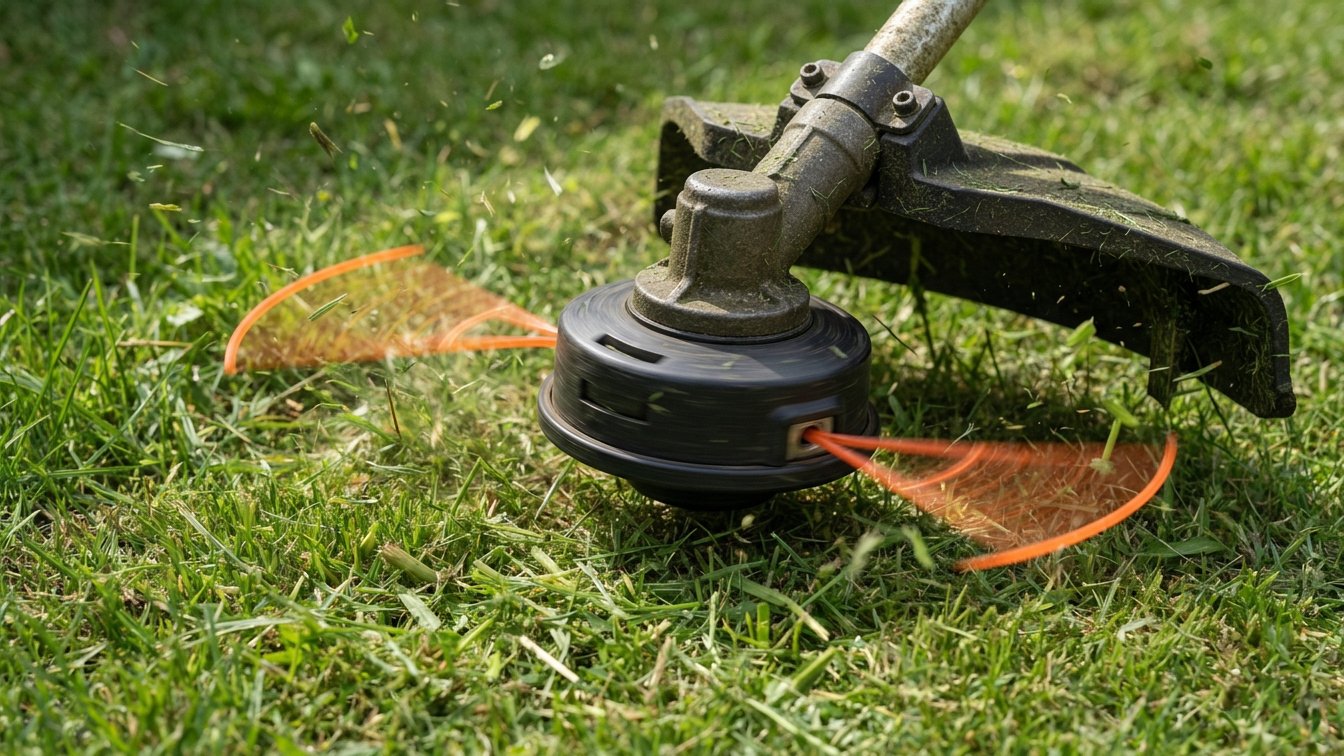
The cutting head feeds fresh nylon line as the old line wears down. The three common systems each have a trade-off:
- Bump feed — you tap the head on the ground to release more line. Simple and reliable, but needs a free hand and a bit of technique.
- Automatic feed — the head releases line on its own. Convenient, but can use line faster and occasionally jam.
- Fixed-line (pre-cut blades) — short pre-cut strips you swap in. Easy and tidy for light work, less suited to big jobs.
For most gardens a bump-feed head is the dependable all-rounder. Heavy or frequent users sometimes prefer it precisely because there is less to go wrong.
Line thickness and loading
Thicker line cuts tougher growth but needs more power to swing; thinner line suits soft grass and light edges. Check what line diameter a trimmer is designed for and how easy the head is to re-load — re-threading line is one of the most common frustrations, so a head that loads quickly is worth a lot in daily use. Keep a spare spool of the correct line on hand.
Weight, balance and comfort
A trimmer is held out in front of you, so weight and balance matter more than almost anything else for home use. A slightly less powerful tool that is comfortable to hold will get used; a heavy, nose-heavy one tends to stay in the shed. Look for:
- low overall weight for the run time you need;
- a shaft length that suits your height (so you’re not stooping);
- an adjustable handle or harness point for longer jobs;
- low vibration, which reduces fatigue and hand strain.
Straight shaft vs curved shaft
Curved-shaft trimmers are usually lighter and good for general lawn edging. Straight-shaft trimmers reach further under shrubs and benches, tend to suit taller users, and often take heavier-duty heads. Neither is automatically better — match it to your reach and the kind of trimming you do most.
Safety and the right gear
Protect yourself. A spinning line throws grit, stones and debris. Wear sturdy closed shoes, long trousers, eye protection and hearing protection (especially with petrol). Keep people and pets well clear, and check the area for hidden stones, pet mess and hoses before you start.
Trim away from paths, windows and cars where flying debris could cause damage, and ease off near tree trunks and soft stems — a trimmer line can ring-bark a young tree surprisingly quickly.
Looking after your line trimmer
- Clear grass build-up from around the head after use so it doesn’t jam.
- Keep a spare spool of the correct line; re-load before the job, not mid-way.
- For cordless, store batteries out of extreme heat and don’t leave them fully flat for long periods.
- For petrol, follow the manufacturer’s fuel, air-filter and spark-plug maintenance.
- Store it out of the weather — sun and rain age plastics, handles and batteries.
Where our recommended picks will go
Garden Green has not joined an affiliate program and has not completed controlled long-term testing of current line-trimmer models, so we are not publishing a fake “best trimmers” ranking based on copied retailer descriptions. When specific recommendations are added, they will be grouped by real use case — small courtyard, general suburban lawn, large block, and heavy weeds — rather than pretending one trimmer suits every Australian yard.
Frequently asked questions
Is a cordless or petrol whipper snipper better?
For most suburban gardens, a cordless line trimmer on a good battery platform is the easiest choice — lighter, quieter and lower-maintenance than petrol. Petrol still leads for large blocks, long run times and heavy growth. Match the power type to how much you cut and how often.
What is the difference between bump feed and automatic feed?
With bump feed you tap the head on the ground to release fresh line; with automatic feed the head releases line on its own. Bump feed is simple and dependable but needs a bit of technique; automatic feed is more convenient but can use line faster. For most gardens a bump-feed head is the reliable all-rounder.
How much power do I need in a line trimmer?
Match power to the growth, not the marketing. Soft lawn edges need very little; rough grass, weeds and light scrub need more torque and thicker line. For cordless, also consider run time — a powerful motor drains the battery faster, so large yards benefit from a spare battery.
Straight shaft or curved shaft — which should I choose?
Curved-shaft trimmers are lighter and good for general lawn edging; straight-shaft trimmers reach further under shrubs and benches, suit taller users and often take heavier-duty heads. Choose by your height, reach and the kind of trimming you do most.
Can a line trimmer damage my plants or trees?
Yes — the spinning line can strip bark and ring-bark a young tree quickly, and can shred soft stems. Ease off near trunks and delicate plants, and keep a mulch ring or edging around trees so you don’t need to trim right up to the bark.
What safety gear do I need?
Wear sturdy closed shoes, long trousers, eye protection and hearing protection (especially with petrol). Clear the area of stones, pet mess and hoses first, keep people and pets well clear, and trim away from paths, windows and cars where flying debris could cause harm.
This guide is part of our complete guide to the best garden tools in Australia. General guidance for Australian gardeners; brands, models and specifications change. Always follow the manufacturer’s instructions, safety guidance and warranty terms.


