
 Huma Naveed
The Cousin it plant in Australia: (Casuarina glauca) is the ultimate low-maintenance, drought-tolerant ground cover for Australian conditions—especially if you want striking, cascading foliage over retaining walls and modern landscape slopes.
However, many gardeners still end up with brown or patchy growth due to one common mistake: poor drainage. As an Australian native, it needs well-drained, sandy soil, and waterlogged conditions can quickly lead to root rot.
In this guide, you’ll learn exactly how to grow and care for Cousin It plant in Australian conditions—so you can avoid common problems and keep it thriving year-round.
Click here to watch a detail youtube video on “Cousin It Plant in Australia: Grow, Care tips”
<strong>Is the Cousin it plant in Australia Right for You?</strong>
Here is a quick look at what makes this native ground cover great, and where it struggles:
Click here to read our another blog on “Cousin It Plant Problems & fixes: Expert tips for Aussie Gardens“
The Golden Rule for Planting Cousin It in Australia!
The success of Casuarina glauca ‘Cousin It’ comes down to one simple rule:
Always plant it in well-drained soil.
As an Australian native ground cover, Cousin It naturally grows in sandy, coastal environments where water drains quickly.
In home gardens, the most common reason this plant struggles or dies is poor drainage—not lack of care
If You Have Sandy Soil (Perth, Coastal NSW)
You’re in the perfect position to grow Cousin It successfully.
- Plant directly into the ground
- Add a small amount of compost to hold initial moisture
- Ensure the soil remains free-draining
In these conditions, Cousin it plant in Australia, It establishes quickly and becomes highly drought tolerant and low maintenance
If You Have Heavy Clay Soil (Melbourne, Inland Areas)
This is where most gardeners run into problems—but it’s easy to fix.
- Avoid planting directly into compacted clay
- Improve drainage using gypsum and organic matter
- Or plant on a raised mound to lift roots above wet soil
This prevents water from sitting around the roots, which can lead to root rot.
Real-World Tip (From Experience)
If your Cousin It plant is turning yellow or patchy, drainage is almost always the issue.
Many Australian gardeners assume they need to water more—but in reality, the plant is often getting too much water.
Focus on improving drainage first, and the plant usually recovers quickly.
The One Mistake to Avoid
Do not plant Cousin it plant in Australia in areas where water pools after rain.
Even occasional waterlogging can damage the roots and slow growth.
Always prioritise drainage over watering—this is the key to long-term success.
What Is the Cousin It Plant?
Botanical Name: Casuarina glauca’ Cousin It’
Common Names: Cousin It, Shagpile Plant, She-Oak Ground Cover
Origin: Native to Australia
Plant Type: Evergreen ground cover
Height & Spread: 20 cm tall, spreads over 2 metres
Growth Habit: Dense, trailing, and weeping
Why is it called Cousin It?
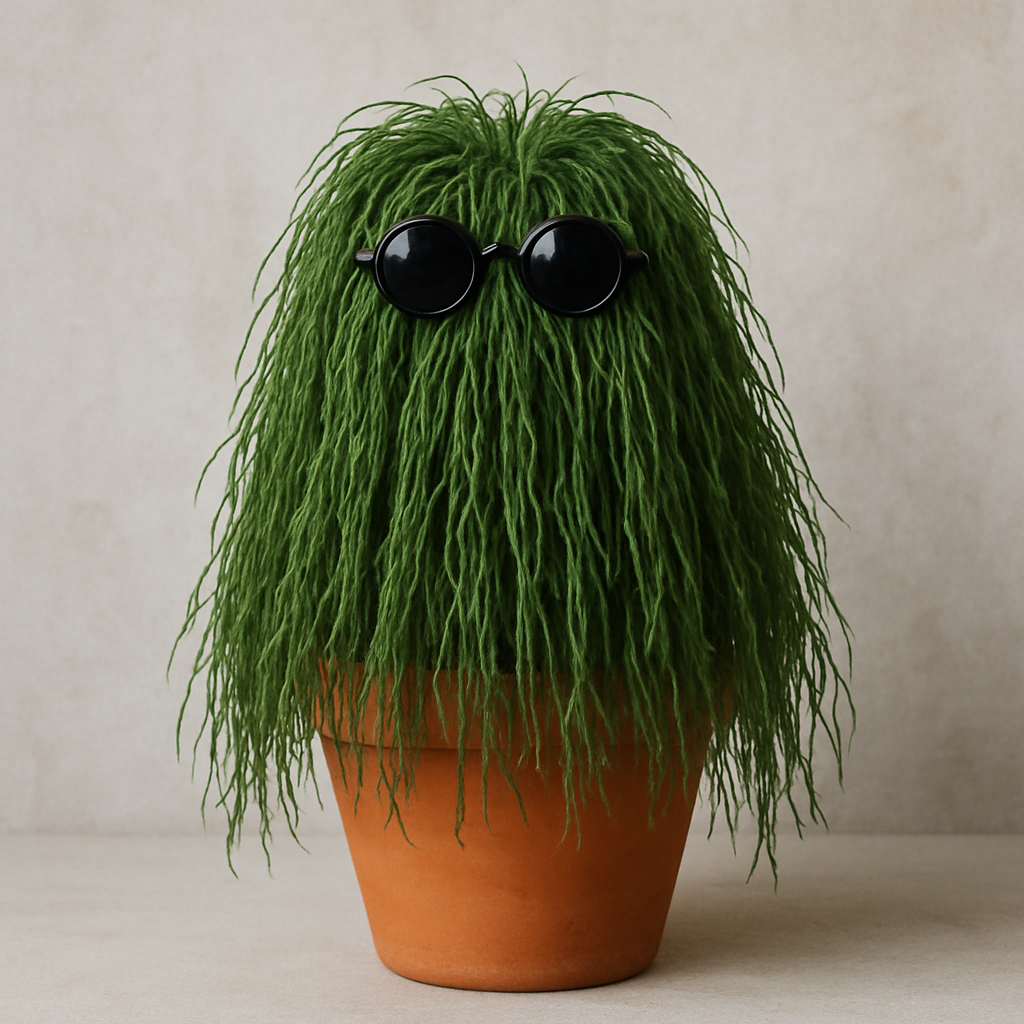
It gets its name from the hairy character “Cousin Itt” in The Addams Family – because of its long, mop-like foliage!
Best Climate & Growing Zones in Australia
While the Cousin it plant in Australia is famous for its rugged adaptability, it grows fastest and looks its best when its environment mimics its native coastal roots. Here is exactly where it thrives and where it struggles:
Aussie Pro-Tip: If you are planting in hot, dry inland areas, position your Cousin It where it gets light afternoon shade. This prevents the cascading foliage from baking and crisping up under the harsh summer sun.
Where it Thrives (Coastal & Temperate)
It is an absolute powerhouse in Coastal NSW, South East Queensland, Victoria, South Australia, and Perth. It easily handles salty sea breezes and sandy coastal soils.
Where it Struggles (Alpine & Frost)
Avoid planting in frost-prone alpine areas (like Canberra in July). Heavy winter frost will severely burn the foliage. It also universally hates heavy, waterlogged clay.
Sun & Exposure
Plant it in full sun for the thickest, most vibrant green growth. It can grow in light shade, but the foliage will be less dense and more open compared to full sun conditions.
From bare bed to flowing carpet, in six steps
Prefer the detail? Jump to the full written guide below.
Pick the right spot
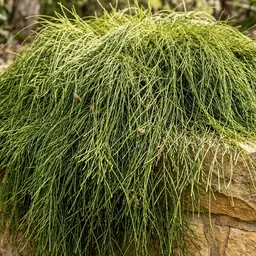
Full sun to part shade, free-draining soil, and room to spread 1.5–2 m. It is made for slopes, coastal beds and spilling over walls.
What if drainage is poor?
Cousin It hates wet feet — the usual cause of browning. Mound the bed or work in coarse sand and gypsum before planting.
Space it out
Mark plants about 0.5–1 m apart (the planner below does the maths). Closer joins up faster; stagger the rows for the most even carpet.
Plant & mulch
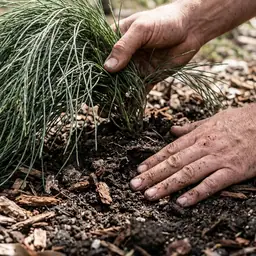
Plant level with the soil — never bury the crown — water in well, and mulch around (not over) each plant to hold moisture and keep weeds down.
Establish
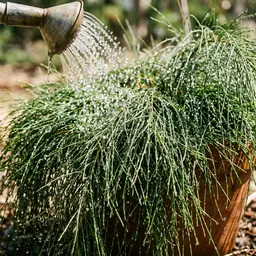
Water deeply through the first warm season so the roots get down. After that it is genuinely drought-tolerant and asks for very little.
Signs of trouble early on
Yellowing or brown patches almost always mean too much water or poor drainage, not too little. Ease off and check it drains.
Trim & shape
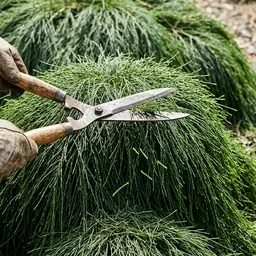
Tip-trim lightly to keep it tidy and dense. A low feed in spring is plenty — it thrives on a bit of neglect once settled.
Troubleshoot browning
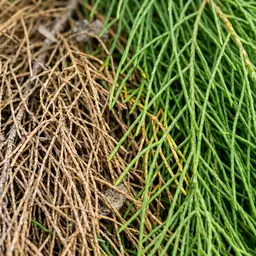
Brown or dying patches? Check drainage and watering first, then look for root rot. Trim out the dead growth and let healthy foliage fill back in.
Deep-dive on problems
See our companion guide, Cousin It Plant Problems & Fixes, for a full symptom-by-symptom breakdown.
Cousin It Coverage & Plant-Count Planner
Estimate only. Cousin It (Casuarina glauca ‘Cousin It’) spreads roughly 1.5–2 m once established; this guide and most nurseries suggest planting about 0.5–1 m apart — closer joins up faster but costs more. Add about 5–10% for trimming and losses.
How to Plant Cousin It: Step-by-Step
1. Choose the Right Spot
- Full sun to part shade
- Well-draining soil
- Great for retaining walls, rockeries, or hanging over garden beds
2. Prepare the Soil
- Light, sandy soil is ideal
- Add compost or organic matter if the soil is heavy or clay-based
- Ensure it drains well (no soggy spots)
3. Planting Time
- Best planted in autumn or spring
- Space plants 50 cm to 1 m apart for full coverage
4. Planting Process
- Dig a hole twice as wide as the root ball
- Loosen the roots before placing them in the hole
- Backfill with soil and press down firmly
- Water in thoroughly
Watering & Feeding Guide
Watering:
- Water well during the first 3–6 weeks after planting
- Once established, it’s extremely drought-tolerant
- In dry inland areas, water every 2 weeks in summer
Feeding:
- Apply slow-release fertiliser in early spring
- Use native plant food or something low in phosphorus
- Avoid overfeeding – it’s a low-maintenance plant!
Pruning & Maintenance
- No pruning needed for shape – its natural look is the charm
- You can trim edges to keep them neat near pavers or pathways
- Cut back damaged or tangled growth in late winter
- Tip: Give it a light tidy-up every 12 months to refresh growth
Does Cousin it plant in Australia It Flower?
Yes, but the flowers are tiny and not showy.
- Small, reddish-brown flowers may appear in spring
- Often goes unnoticed under the dense foliage
- Flowers are not toxic and don’t attract pests
Pests & Problems
Cousin it plant in Australia is generally pest-free!
But here’s what to watch for:
ProblemCauseSolution
Yellowing leaves, Poor drainage, or overwatering. Improve the soil or reduce watering.
Patchy growth, Lack of sunlight or nutrients. Trim back and feed with slow-release fertiliser.
Root rot, Consistent soggy soil. Replant in a well-drained area or raised bed.
Cousin It Landscaping Ideas for Australian Homes
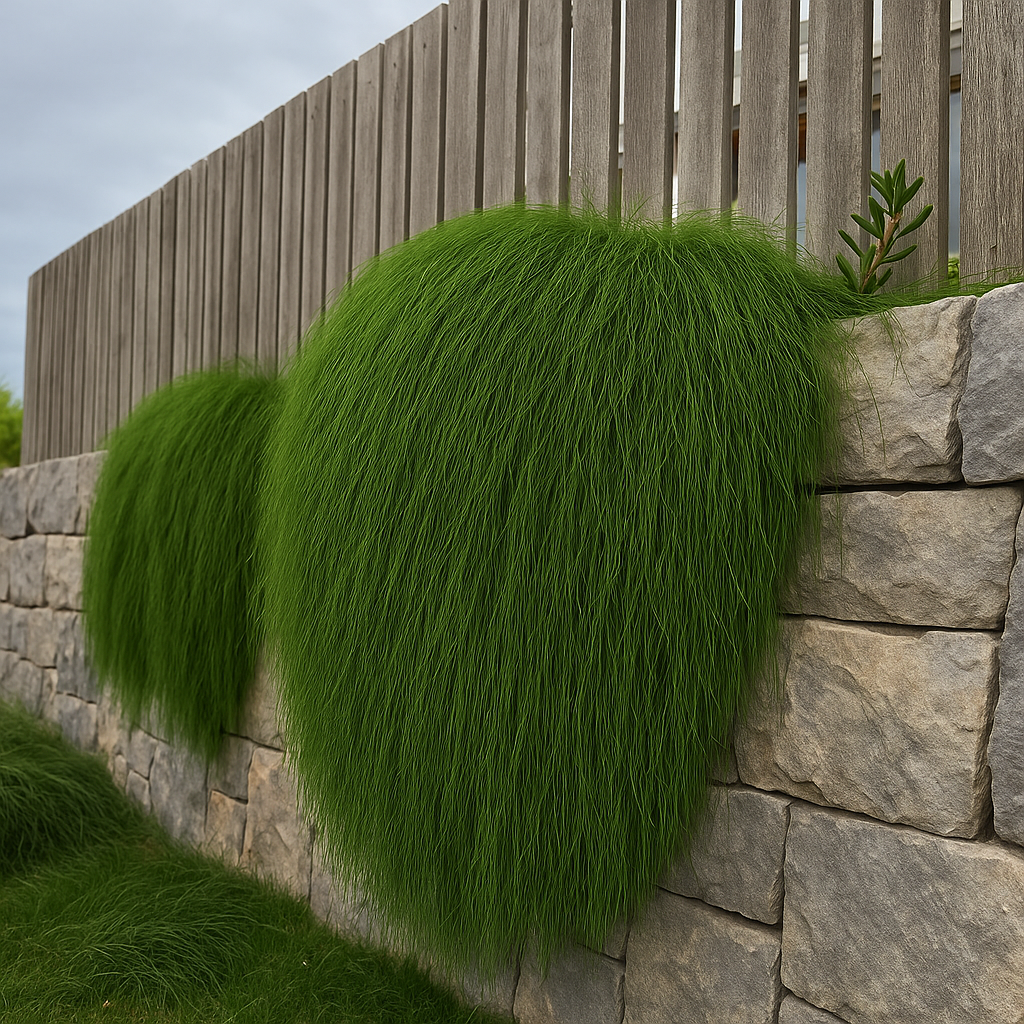
- Retaining Walls: Let it cascade down stone or concrete walls – perfect for erosion control.
- Garden Borders: Frame garden beds with their flowing texture.
- Poolside Planting: Looks lush and tropical; thrives near pools.
- Rock Gardens: Pair with succulents like Agave or Aloe.
- Containers & Hanging Pots: Grows beautifully in large pots – place on walls or balconies.
- Ground Cover Alternative: Ditch the lawn! Cousin It is a low-maintenance, no-mow option.
- Front Yard Curb Appeal: Use as a sculptural element in modern designs.
Yes! Cousin it plant in Australia It can grow indoors with the proper care.
Indoor Cousin It – Is It Possible?
Indoor Tips:
- Use a large, well-draining pot
- Place near a sunny window (east or north-facing is ideal)
- Water sparingly – let the soil dry between watering
- Mist occasionally if the indoor air is dry
- Avoid placing near heaters or drafts
Propagation – Grow More Cousin It Plants
You can easily propagate Cousin It via:
1. Division
- Best done in spring or early autumn
- Gently lift a clump and divide the roots into smaller sections
- Replant immediately in new locations
2. Cuttings (less common)
- Take stem cuttings in spring
- Dip the root in rooting hormone and plant in a moist seed-raising mix
- Keep warm and humid for 4–6 weeks
Benefits of Cousin it plant in Australia Garden
- Waterwise & drought-tolerant
- Fire retardant – excellent in bushfire-prone areas
- Erosion control – roots hold soil firmly
- Weed suppressant – forms dense, weed-blocking mats
- No mowing or trimming needed
- Unique visual appeal – adds movement and texture to gardens
Cousin It vs. Other Ground Covers
| Feature | Cousin It (Casuarina) | Dichondra Repens | Native Violet | Blue Fescue |
|---|---|---|---|---|
| Best For | Slopes, retaining walls, modern gardens | Lawn alternative, stepping stones | Shady, moist areas | Borders, rock gardens |
| Drought Tolerance | Very high | Low | Low | High |
| Sunlight Needs | Full sun to part shade | Part shade | Full shade to part shade | Full sun |
| Soil Type | Well-drained, sandy | Moist, loamy | Moist soil | Well-drained |
| Maintenance | Very low | Medium | Medium | Low |
| Foot Traffic | Not suitable | Light traffic only | Low tolerance | Low tolerance |
| Growth Style | Weeping, cascading | Flat, spreading | Soft, spreading | Clumping grass |
Where to Buy Cousin It in Australia
Local Native Nurseries: The best choice for plants already acclimated to your local weather.
Bunnings Warehouse: Frequently stocked in the outdoor native section (check your local inventory online first).
Online Retailers: Australian Plants Online and Plant Hub will deliver straight to your door.
Expected Price: $12 to $25 per plant, depending on pot size.
Aussie Pro-Tip: Planting a large retaining wall? Save money by ordering cheap “tubestock” online. Cousin It grows so rapidly that cheap tubestock will easily catch up to expensive, mature plants in just one growing season.
Quick Answers for Aussies "Cousin it plant in Australia"
Why is my Cousin It plant turning brown or patchy?
This is usually caused by poor drainage or waterlogged soil. Cousin It prefers well-drained, sandy conditions and may struggle in heavy clay soils.
How often should I water Cousin It in Australia?
Water regularly during the first 3–6 months. Once established, it becomes highly drought tolerant and only needs occasional deep watering.
Can Cousin It grow in clay soil?
It can grow in clay soil only if drainage is improved. Without proper drainage, the plant may suffer from root rot and poor growth.
Is Cousin It suitable for full sun in Australia?
Yes, it grows best in full sun but can tolerate light shade, although growth may become less dense.
Is Cousin It invasive in Australian gardens?
No, it is not invasive. It spreads horizontally but can be easily controlled with light trimming.
Can Cousin It be grown in pots?
Yes, but only in large containers with excellent drainage and a free-draining native potting mix.
Does Cousin It need fertiliser?
Yes, but lightly. Use a low-phosphorus native fertiliser once in spring. Avoid over-fertilising.
Is Cousin It good for weed control?
Yes, once established it forms a dense mat that naturally suppresses weed growth.
Is Cousin It frost tolerant?
It tolerates light frost once established, but young plants should be protected in colder inland regions.
How fast does Cousin It grow?
It is a moderately fast ground cover and usually establishes within 3–6 months in suitable conditions.