
 Huma Naveed
You planted a Casuarina glauca ‘Cousin It’ expecting a tough, drought-tolerant groundcover that effortlessly spills over edges like a lush green waterfall but then comes Cousin It Plant Problems!
So when your Cousin It starts turning brown, dying in patches, or rotting from the centre, it’s not just disappointing—it’s confusing.
Three common issues
Most Cousin It Plant Problems come down to —and all of them are fixable:
- Poor drainage causing root rot (“wet feet”), especially in clay soils
- Trapped humidity leading to centre dieback
- Phosphorus toxicity from using the wrong fertiliser
Based on real landscaping experience across Australian conditions, these are the exact reasons your Cousin It may be struggling.
Before you remove the plant, let’s diagnose the real problem and apply the right fix to bring it back to life—fast.
Click here to read our detailed blog on “Cousin It Plant in Australia: Grow, Care tips & Landscape Guide”
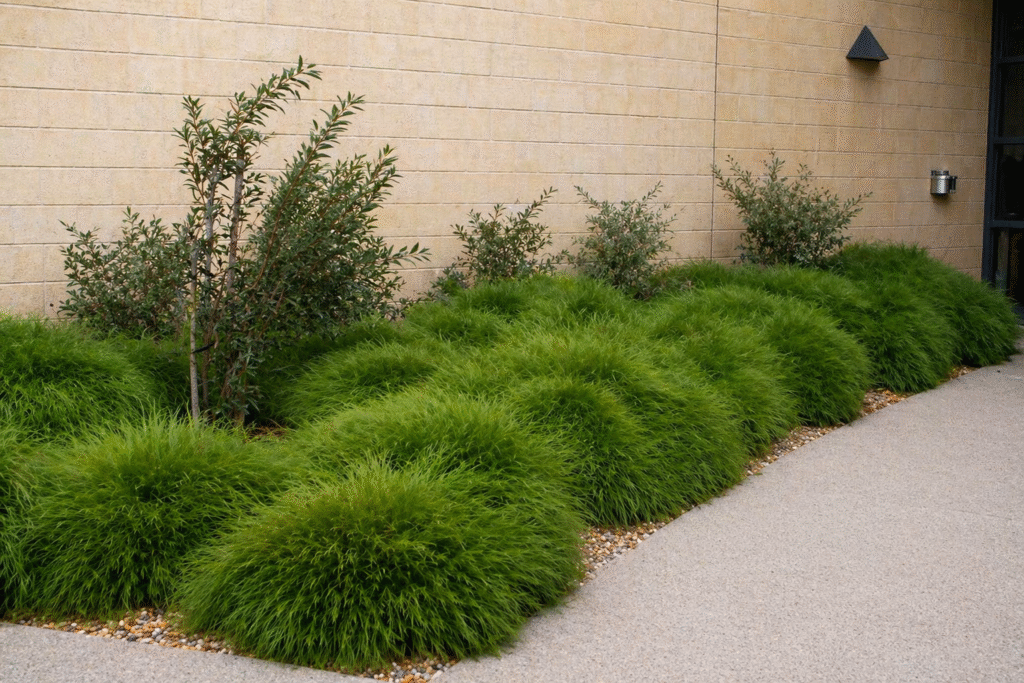
The 60-Second Diagnostic Table
Casuarina 'Cousin It' Troubleshooting
| The Symptom | The Likely Cause | The Expert Fix |
|---|---|---|
| 🍂 Brown/dead patches in the very center | Humidity trap / Poor airflow | Gently lift the foliage and clear out dead leaves/debris. Prune back any overlapping plants. |
| 🟡 Overall yellowing of the “needles” | Wet feet / Root rot from heavy clay | Stop watering immediately. Check drainage. If in clay, you may need to replant it on a slight mound. |
| 🥀 Complete wilting / Limp grey foliage | Extreme thirst OR completely rotted roots | Dig 5cm down. If bone dry, give it a long, deep soak. If soggy, the roots are gone and the plant must be replaced. |
| 🔥 Burnt tips or white crust on the soil | Phosphorus toxicity (Wrong fertilizer) | Flush the soil with 3 buckets of fresh water. Only ever use a specialized, low-phosphorus Native feed. |
| 🐛 Black sooty mold on stems | Scale insects or mealybugs | Spray thoroughly with Eco-oil or Neem oil in the early morning or late afternoon (never in direct midday sun). |
| ✂️ Thinning foliage / Plant looks “see-through” | Heavy shade / Lack of sunlight | Casuarina needs full sun to stay dense. Prune back overhanging branches or relocate to a spot getting 6+ hours of direct sunlight. |
| 🛑 Stunted growth / Refuses to spread | Compacted soil or nutrient lock-out | Gently aerate the soil around the edges. Apply a light top-dressing of compost and a slow-release native fertilizer in early spring. |
| 🧪 Pale or washed-out green color | Iron deficiency (Chlorosis) from alkaline soil (often from nearby concrete) | Apply a dose of liquid Iron Chelates directly to the soil and foliage. This will rapidly restore the deep emerald green color. |
| ⛰️ Roots becoming exposed at the base | Soil erosion (common on steep retaining walls or slopes) | Backfill around the central crown with free-draining sandy loam. Replace light bark mulch with heavier chunky mulch or river pebbles. |
Click here to get a detail video “Cousin It Plant Problems & fixes: Expert Guide for Aussie Gardens”
Cousin It Plant Problems is an oddball favourite in many Australian gardens. Its cascading green strands look carefree, but like most plants, it has its moments. If yours is looking a little sad—browning, thinning, or just not thriving—this guide’s for you.
As someone who’s worked with this plant from Brisbane’s humid suburbs to the dry hills around Adelaide, I’ve picked up a few tricks and lessons. Here’s what you need to know.
Quick Glance: Cousin It Essentials
Feature Details Cousin It Plant Problems!
Botanical Name: Casuarina glauca’ Cousin It’
Plant Type: Sprawling groundcover
Aussie Native? Yes
Sun Needs: Full sun to light shade
Soil Type: Sandy or loamy, well-drained
Water Needs: Low once settled
Best Regions: NSW, QLD, SA, VIC, WA
Common Uses: Slopes, rockeries, retaining walls, pots
Native Credentials: According to the Royal Botanic Gardens Sydney, Casuarina glauca is naturally found along the east coast of Australia, often in sandy or loamy soils near waterways. ‘Cousin It’ is a dwarf cultivar bred for ornamental use.
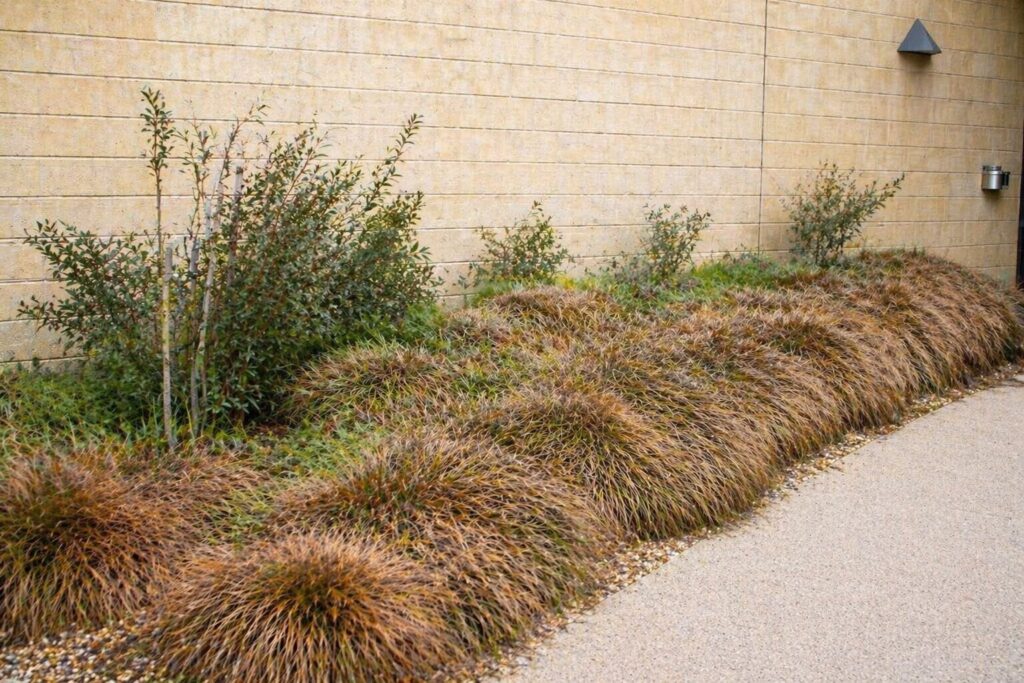
1. Why Is My Cousin It Turning Brown or Patchy?
one of theCousin It Plant Problems is seeing brown or crispy patches? It’s often a water or drainage issue.
Common Causes:
- Heavy, soggy soil
- Not enough water during heat waves
- Roots sitting wet for too long
- Salt exposure (coastal zones)
What Works:
- Improve soil drainage using compost or coarse sand.
- Water deeply but less often—aim for the roots.
- Raise planting beds to keep roots above soggy ground.
- Trim dead bits to encourage new growth.
“In a coastal Sydney yard, I lifted a sad Cousin It into a raised bed. Two weeks later, it was pushing out new green tips.”
2. Not Spreading or Growing?
If your plant seems frozen in time, it might be light-starved or stuck in poor soil.
Could Be:
- Not enough sunlight
- Poor soil nutrition
- Roots too crowded
Try This:
- Relocate to a sunnier spot (6+ hours of sun).
- Loosen compacted soil before planting.
- Feed with a gentle native fertiliser.
“Early spring feeding always kicks things off. But I’ve learned to go light—this plant hates overfeeding.”
3. Pesky Pests
Though not a magnet for bugs, Cousin It isn’t immune.
Pest Signs Treatment
Mealybugs, Cottony white fuzz, Neem oil, or eco soap
Aphids, Sticky leaves. Hose down or spray
Scale, Small brown bumps. Prune and apply white oil
Tip: A weekly spray of plain water deters most pests before they settle.
Is Cousin It Safe for Pets?
Yes—according to the South Australian PIRSA Swamp Oak Policy, the Cousin It cultivar poses no toxicity risk to pets. Just protect it from digging paws.
4. Yellowing or Droopy Growth
It doesn’t have typical leaves, but yellow tones or drooping can a signal stress in Cousin It Plant Problems.
Watch for:
- Too much or too little water
- Sudden cold snaps or hot blasts
- Stress after being moved
Solutions:
- Check soil moisture with your finger.
- Mulch with sugarcane or bark.
- Let it settle if you recently moved.
“Melbourne’s unpredictable weather did a number on mine until I mulched and shaded the roots.”
5. Fungal Problems and Root Rot
Soft stems or a foul smell? Root rot is likely.
Red Flags:
- Brown base
- Smells like rot
- Collapsing stems
What Helps:
- Improve drainage ASAP
- Only water in the morning
- Use copper-based fungicide if caught early
“If it smells bad, don’t wait—dig it out and start over with fresh soil.”
Expert Note: I once revived a struggling Cousin It in a coastal Sydney garden simply by lifting it into a rock-edged mound. Within weeks, it bounced back. This aligns with advice from ABARES, which notes that Casuarina glauca thrives in well-drained soils and can tolerate salty winds.
6. Not Thriving in Pots?
Yes, you can grow it in containers—if done right.
Common Pitfalls:
- Cramped roots
- Soil holding too much moisture
Fix It:
- Choose a shallow, wide pot.
- Use a sandy native mix with perlite
- Elevate pots slightly to help airflow
“Mine pairs beautifully with succulents on a patio—less watering, more wow.”
7. Dying After Rain?
A downpour can drown this plant, especially in clay soil.
Why It Happens:
- Water pools around the crown
- Soil stays soaked for too long
Rescue Tips:
- Replant into a sloped or raised area
- Mix in coarse sand
- Pause watering during wet weeks
“During the 2022 La Niña, mine almost rotted. Moving it to a sloped rock bed saved it.”
8. Is It Pet Safe?
Yes—Cousin It isn’t toxic to pets. Just watch for digging!
Handy Table: Quick Fixes of Cousin It Plant Problems
Issue Fast Action for Cousin It Plant Problems
Browning ends Prune and improve the soil
No growth. Move to the sun, feed lightly
Yellowing: Adjust watering, mulch
Pests: Neem oil or hose off
Rot after rain. Lift or replant in a well-drained spot
Industry Insight: U.S. Forest Service research confirms Casuarina glauca tolerates short-term waterlogging but suffers if the roots remain saturated.
Extra Tips for Aussie Gardeners
- Best Planting Time: Autumn or early spring
- Avoid Overfeeding: Native plants prefer low-fuss care
- Great in Groups: Use it between pavers, under shrubs, or trailing over walls
- Prune Lightly: Keeps it tidy without stressing the plant
Good to know!
Why is my Cousin It plant turning yellow?
Yellowing is usually caused by overwatering or poor drainage, which leads to root stress or rot. Improving drainage and reducing watering will resolve the issue.
Why is my Cousin It turning brown and dying?
Brown patches are typically caused by root rot, heat stress, or poor airflow. Removing trapped debris and improving drainage helps recovery.
Why is my Cousin It plant dying suddenly?
Sudden decline is often due to overwatering, phosphorus toxicity, or extreme heat. Correct watering and use native fertiliser.
What causes root rot in Cousin It?
Waterlogged soil suffocates roots, especially in clay soils. Improve drainage or plant on a raised mound.
How often should I water Cousin It?
Water regularly during establishment, then only during prolonged heat or drought once mature.
Can overwatering kill Cousin It?
Yes, it is the leading cause of plant failure due to root rot in poorly drained soil.
Why are the tips turning brown or crispy?
This is caused by drought stress, hot winds, or underwatering. Increase deep watering and mulch.
Why is my Cousin It not spreading?
Usually due to lack of sunlight or poor soil conditions. Ensure full sun and improve drainage.
Can Cousin It grow in shade?
No, it requires full sun to maintain dense, healthy growth.
What is the best fertiliser for Cousin It?
Use low-phosphorus native fertiliser only, as standard fertilisers can damage roots.
Can I grow Cousin It in pots?
Yes, provided the pot has excellent drainage and uses native potting mix.
How do I fix a dying Cousin It plant?
Improve drainage, reduce watering, remove debris, and avoid phosphorus-heavy fertilisers.
What pests affect Cousin It plants?
Scale insects and mealybugs can appear on stressed plants. Treat with eco-oil or neem oil.
Does Cousin It prevent weeds?
Yes, its dense growth blocks sunlight and suppresses weeds effectively.
How fast does Cousin It grow?
It can spread up to one metre per year in ideal Australian conditions.
What is the best soil type for Cousin It?
Free-draining sandy or loamy soil is ideal. Avoid heavy clay unless improved.
Conclusion: Most Cousin It Problems Are Fixable
If your Cousin It plant is turning brown, yellowing, or looking like it’s dying, don’t rush to remove it just yet.
In Australian gardens, the vast majority of Cousin It problems come down to a few environmental issues—poor drainage, trapped moisture, or the wrong fertiliser. Once you correct these, the plant is remarkably resilient and often recovers faster than expected.
As a hardy native groundcover, Casuarina glauca ‘Cousin It’ is built to handle tough conditions. When it struggles, it’s usually reacting to something in its surroundings—not failing on its own.
Before you replace it, take a few minutes to:
- Check if the soil is holding too much water
- Clear out the centre to improve airflow
- Remove any high-phosphorus fertiliser from the equation
If there’s still life in the stems (use a quick scratch test), there’s a strong chance your plant can bounce back—often thicker, greener, and healthier than before.
What to Do Next
If poor drainage or heavy clay soil is the root cause, fixing the soil is the most important step for long-term success.
👉 Read our complete guide: [How to Prepare Soil for Australian Native Plants]
Over to You
Is your Cousin It planted in a pot or directly in the ground—and what symptoms are you seeing right now (yellowing, browning, or dieback)?
Leave a comment below. Every situation is slightly different, and getting the diagnosis right early can save your plant.
Cousin It takes a little getting used to. But once you know its quirks, it’s one of the most rewarding groundcovers around.
It’s low-maintenance, waterwise, and a real talking point. Whether you’re using it on a slope, in a pot, or to soften hardscape edges, it adds movement and texture like few others.
Just don’t drown it—and you’re good to go.
Still stuck with your Cousin It plant?
Get help diagnosing it


Over to You
Is your Cousin It planted in a pot or directly in the ground? What symptoms are you noticing—yellowing, browning, or centre dieback?
Share your situation below. A clear diagnosis early can make all the difference in saving your plant.