
 Huma Naveed
The Brutal Truth !
You buy these beautiful Golden Cane Palm in Australia (Dypsis lutescens) to create a lush, tropical feel in your backyard. But instead of healthy growth, many palms become weak, pale, and slow-growing but …
The problem isn’t your gardening skills !
The real issue? Generic internet advice. Treating water-repellent Perth sand like freezing Melbourne clay guarantees failure.
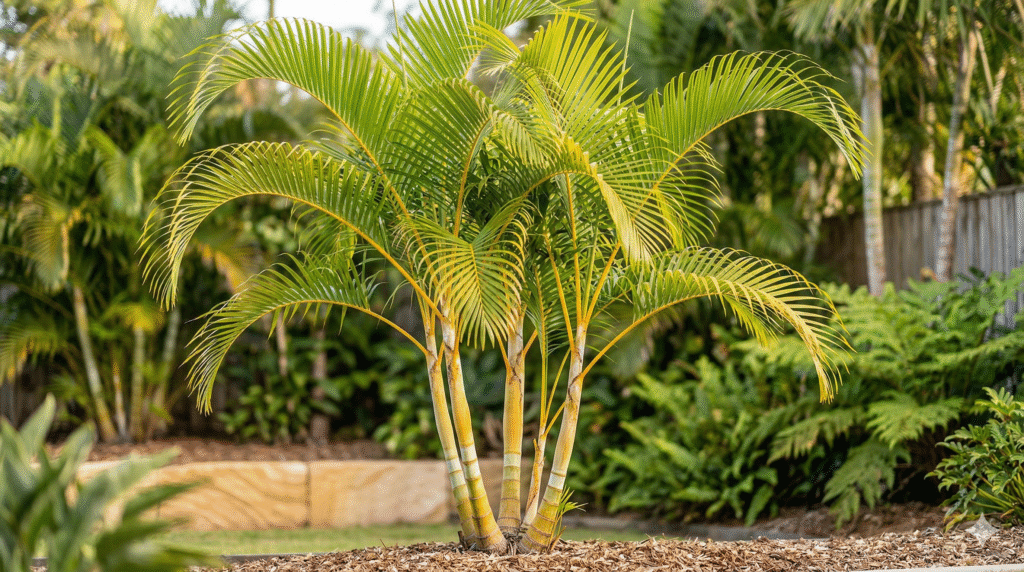
Golden Cane Palm in Australia: Key Growing Challenge
Golden Canes love warmth, but Australian conditions can be harsh!
To achieve resort-quality growth, you must adapt your planting to your specific state.This guide shows how to master soil, handle coastal winds, and grow healthy Golden Cane Palms in Australia anywhere.
1. Create a Protective Micro-Climate
Golden Canes grow best when they are protected during early growth. Solution: Build a “micro-climate” around the plant to shield it while roots develop.
2. Avoid Harsh Western Sun
Young palms struggle with strong afternoon heat, especially in QLD, WA, and NSW.
Solution: Plant in dappled shade, under larger trees, or where they only receive gentle morning (eastern) sun.
Not sure where to position your palm? Our guide to where to plant a Golden Cane Palm covers sun, soil and spacing for Australian conditions.
3. Protect Against Strong Coastal Winds
Wind can damage fronds and make palms look dry and ragged in coastal areas like Sydney or Adelaide.
Solution: Plant near boundary walls or fences (especially Colorbond or brick). Brick walls also help by retaining and releasing warmth.
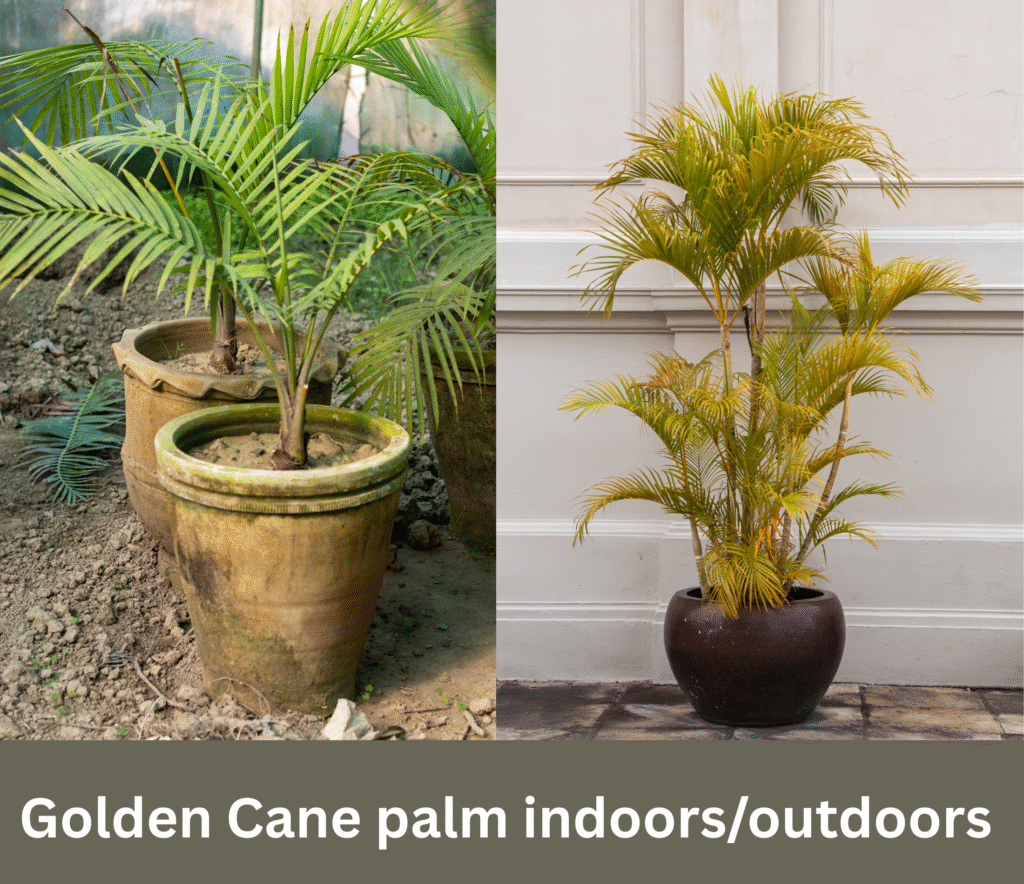
4. Prevent Indoor Leaf Burn
Indoor Golden Canes often develop brown, crispy tips due to dry air and temperature changes.
Solution: Keep them away from air-conditioning vents and heating ducts
| Palm Variety | Best Australian Use Case | Cost & Growth | The Hidden Catch (Climate) |
|---|---|---|---|
| Golden Cane Palm ⭐ Ultimate Choice | Fast, dense privacy screens & versatile indoor/balcony pots. | Budget-Friendly Fast Grower | Hates heavy winter frost (Melbourne/TAS). Needs protection from dry winds. |
| Kentia Palm | High-end indoor luxury & deep shade planting. | Expensive Very Slow Grower | Will severely burn if exposed to harsh afternoon Aussie sun. |
| Foxtail Palm | Statement driveway avenue or front yard feature tree. | Moderate Fast Grower | Provides zero privacy. Strictly for Tropical/Subtropical zones (QLD/NSW). |
| Bangalow Palm | Creating a cool, shaded rainforest canopy vibe. | Moderate Medium Grower | Extremely thirsty. Hates the dry, baking heat of Perth and Adelaide. |
| Alexander Palm | Tall tropical canopy for massive backyards. | Moderate Fast Grower | Too massive for small yards. Drops heavy, messy fronds constantly. |
2. The Soil Blueprint: Fixing Australia’s Worst Dirt
The problem: Using generic potting mix or planting directly into native Australian soil often leads to root rot or poor growth. Golden Cane Palm in Australia need moisture, but their roots cannot sit in heavy waterlogged soil.
The solution: You are not just digging a hole—you are building a drainage system suited to your local conditions.
Fixing Heavy Clay (Melbourne / East Coast)
Clay holds water like a bathtub, causing roots to suffocate. Dig a hole twice as wide as the pot and mix in gypsum and coarse organic compost to break up the clay. Plant slightly above ground level on a small mound so excess water can drain away.
Fixing Sandy Soils (Perth / Coastal Areas)
Sandy soil drains too quickly, washing away water and nutrients. Mix in soil wetter, bentonite clay, and rich compost before planting to create a moisture-retaining base.
Fixing Potted Palms
Use a premium cactus or succulent mix, or blend a standard potting mix with around 30% perlite. This improves drainage and prevents root rot.
The Golden Cane palm in Australia Quick-Fix Cheat Sheet
Negatives
Positive
Expert Landscaper Insight: “Moving a palm just two metres to the left to get it out of a wind tunnel can be the difference between a thriving resort-style plant and a stunted eyesore. Always watch where the afternoon sun hits your yard before you dig.”
3. The Moisture Balance: Watering for Australian Extremes
The problem: Fixed watering schedules often fail because Australia’s seasons and temperatures change drastically.
The solution: Stop following a calendar—check the soil instead.
The “Knuckle Test” Routine
Insert your finger into the soil up to the second knuckle. If it is wet and cool, do not water. If it feels dry, water deeply.
Surviving 40°C Heatwaves
During extreme heat in places like Perth or Adelaide, palms may need deep watering every evening at the base to stay hydrated.
Winter Dormancy
In winter, growth slows significantly. Reduce watering to once every 2–3 weeks, as cold, wet soil can damage roots.
Expert insight: Many Golden Canes are lost in winter due to overwatering, not drought.
4. The Growth Engine: Feeding Without Burning
The problem: Strong chemical fertilisers can burn roots and shock newly planted palms.
The solution: Use slow-release, palm-specific nutrition.
Feed only in spring and summer using a slow-release palm fertiliser every 6–8 weeks. Look for blends rich in magnesium and potassium to support healthy green fronds. Once a month, apply a liquid seaweed tonic to strengthen roots and improve stress resistance during heat or transplant shock.
5. Expert Upkeep: When to Intervene (And When to Stop)
The problem: Over-pruning and over-treating often does more harm than good.
The solution: Only intervene when necessary and let the palm follow its natural cycle.
Remove only fully dead brown fronds at the base. Never cut green stems or the growing crown, as this can permanently damage the cane.
Need to manage the height of a massive palm screen? The rules change entirely.
Read our masterclass here: 👉 Golden Cane Palm Varieties
Spotting Real Trouble: If your watering and soil are perfect but the plant still looks sick, do not blindly dump more fertiliser on it! You likely have a pest or nutrient lock-out issue.
Do not guess the problem! Use our complete diagnostic tool to save your plant here: 👉 Golden Cane Palm Problems in Australia: Tips & Easy Fixes
Common Palm Care Mistakes and the Right Way to Fix Them
| Care Factor | 🚫 Mistakes | ✅ Fixes |
|---|---|---|
| Sun & Location | Harsh afternoon sun on young palms; causes leaf burn. | Dappled light or morning sun; acclimate before full sun. |
| Ground Planting | Heavy clay soil; holds water and causes root rot. | Loosen soil; add gypsum + compost before planting. |
| Potted Palms | Cheap mix; retains too much moisture. | Well-draining mix or add 30% perlite. |
| Relocating | Sudden outdoor exposure; causes shock. | Harden off gradually in shade before full move. |
<strong>Golden Cane Palm in Australia guide: Climate Suitability </strong>
| Palm | Climate Suitability | Growth Rate | Indoor Friendly |
|---|---|---|---|
| Golden Cane Palm | ⭐⭐⭐⭐ | Fast | Yes |
| Kentia Palm | ⭐⭐⭐⭐⭐ | Slow | Yes |
| Foxtail Palm | ⭐⭐⭐⭐⭐ | Fast | No |
| Bangalow Palm | ⭐⭐⭐⭐ | Medium | Somewhat |
| Alexander Palm | ⭐⭐⭐⭐ | Fast | No |
Golden Cane Palm in Australia?
Botanical name: Dypsis lutescens
Common names: Golden Cane Palm, Areca Palm, Butterfly Palm
Although native to Madagascar, this clumping Palm has adapted extremely well to Australia’s warm, humid, and coastal climates. Its multiple stems give it a bushy, dense shape — perfect for screening, privacy, and tropical garden designs.
Golden Cane Palm in Australiasare easy to grow, even for beginners. Need to follow above instructions and you set up the right soil, watering routine, and position, they grow steadily with very little maintenance.
| Requirement | Rating | Notes |
|---|---|---|
| Sunlight | ⭐⭐⭐⭐⭐ | Loves bright light; handles full sun in most regions |
| Water | ⭐⭐⭐⭐ | Keep soil moist but not soggy |
| Soil | ⭐⭐⭐⭐⭐ | Needs free-draining, organic-rich soil |
| Indoor Suitability | ⭐⭐⭐⭐ | One of the most beginner-friendly indoor palms |
| Growth Rate | ⭐⭐⭐⭐ | Medium to fast in warm climates |
| Maintenance | ⭐⭐⭐ | Occasional trimming & feeding |
| Hardiness | ⭐⭐⭐ | Not frost tolerant |
Golden Cane Palm in Australia Importants FAQS
Can Golden Cane Palms survive the harsh Australian sun?
Yes, but young palms will scorch in direct afternoon Western sun. Plant in dappled sunlight or gentle Eastern morning sun until mature.
What is the best soil for Golden Cane Palms in Australia?
Never use unamended soil. Mix Gypsum into heavy clay (Melbourne) to stop root rot. For dry sand (Perth), add Bentonite clay and a soil wetter.
How often should I water a newly planted Golden Cane Palm?
Adjust by season. Soak deeply daily during 40°C heatwaves. In winter, reduce watering dramatically (every 2-3 weeks) to prevent rot.
Are Golden Cane Palm roots invasive near pools or pipes?
No. They have a tight, fibrous root system, making them incredibly safe to plant near plumbing, paving, and fibreglass pools.
What is the best fertiliser for Golden Cane Palms?
Use a slow-release Palm Fertiliser (high in Magnesium/Potassium) every 8 weeks in Spring/Summer. Avoid harsh, high-nitrogen lawn fertilisers.
How fast do Golden Cane Palms actually grow?
In tropical zones (QLD/NSW), they grow up to 1.5m per year. Indoors or in cooler states, expect a slower rate of 30–60 cm annually.
How do I protect my Golden Cane Palm from winter frost?
They hate heavy frost (VIC/TAS). Plant tightly against a brick wall for radiant night heat, or use pots to move them undercover in winter.
Why is my newly planted Golden Cane Palm drooping?
This is usually transplant shock. Do not overwater or fertilise. Apply a liquid seaweed tonic monthly to help the root system recover.
Why are the tips of my indoor palm turning brown and crispy?
AC and heating systems strip humidity from the air. Move your indoor palm away from vents and mist the fronds weekly.
Should I cut the top off my palm to stop it growing too tall?
Never! Cutting the green top off a trunk permanently kills that specific cane. Only remove completely dead, brown fronds at the base.
Are Golden Cane Palms toxic to dogs and cats?
No. They are 100% non-toxic and perfectly safe for cats, dogs, and birds.
Reference-Style Mentions (Non-URL Format)
- Australian tropical plant cultivation guides
- Queensland garden care notes for tropical palms
- NSW indoor plant reference recommendations
- 2026 horticulture notes on Dypsis lutescens
<strong><strong>The Final Verdict: Growing Golden Cane palm in Australian Way</strong></strong>
Growing a spectacular Golden Cane Palm doesn’t require a magical green thumb—it just requires ignoring generic internet advice.
Whether you are amending freezing Melbourne clay or hydrating baking Perth sand, you now have the exact blueprint to create a lush, resort-style backyard. Respect your local micro-climate, master the “Knuckle Test” for watering, and let the palm do the rest.