 Huma Naveed
🌳 Why Companion Plants Matter for Magnolia
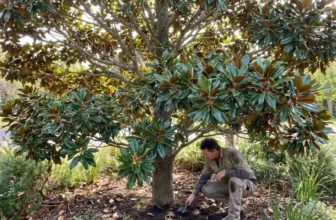
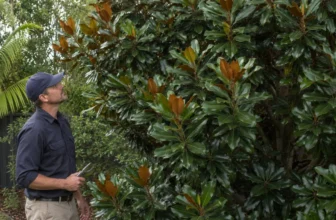
The Magnolia (Magnolia grandiflora ‘Teddy Bear’) is one of the most admired evergreen trees in Australian gardens. Its glossy green leaves with bronze undersides, compact shape, and creamy white flowers make it a star in both front and backyard landscapes.
Pairing your magnolia with smart companion plants helps you create a visually balanced and vibrant garden. The right companions also improve soil quality, attract pollinators, and maintain healthy moisture levels.
🌿 Choosing the Best Companion Plants
Your Teddy Bear Magnolia grows upright (commonly listed at roughly 3–6 metres tall and 2–3 metres wide at maturity) and prefers full sun to part shade.
Two things decide what will actually survive at its feet: it casts dense evergreen shade once established, and it holds a mat of shallow surface roots near the trunk. So the plants that work underneath are low, shade-tolerant and happy to be left alone — and you want to avoid deep digging around the base. Companion plants can:
- Add colour contrast and seasonal blooms.
- Improve soil aeration and drainage.
- Create a natural groundcover to retain soil moisture.
- Attract beneficial insects like bees and butterflies.
- Enhance overall visual harmony in your garden.
Let’s dive into the top 5 natural companions for Magnolia.
1. Gardenia (Gardenia augusta)
Why it works: Gardenias love similar conditions — slightly acidic, well-drained soil and partial sunlight. Their glossy green leaves perfectly echo the magnolia’s texture, while their creamy, fragrant flowers bloom in harmony with your Teddy Bear Magnolia’s season.
Design Tip: Plant Gardenias along the base of your magnolia tree to create a lush layered look. Their scent makes the space feel luxurious and tropical.
2. Lomandra (Lomandra longifolia)
Why it works: This native Aussie grass adds soft movement under the structured canopy of a magnolia. It’s drought-tolerant, low maintenance, and ideal for garden borders.
Design Tip: Combine Lomandra in clusters near magnolia roots to maintain soil cover and reduce evaporation during hot summers.
🛒 Shop Lomandra for Aussie Gardens
3. Azalea (Rhododendron indicum)
Why it works: Azaleas offer vibrant bursts of pink, red, and white, making them ideal for seasonal contrast against your magnolia’s evergreen leaves. Both prefer slightly acidic soil, so they thrive together naturally.
Design Tip: Use dwarf azalea varieties along pathways or garden beds near magnolias for color layering.
4. Lavender (Lavandula angustifolia)
Where it works, and where it will not: lavender wants full sun and sharp drainage, so it will sulk and go leggy in the shade under an established magnolia. Use it only on the sunny outer edge of the bed, well clear of the canopy — not underneath the tree. It is good for fragrance and pollinators there, but treat the common claim that it “repels pests” as a garden-lore bonus rather than a reason to plant it.
Design Tip: Place lavender at the front edge of your magnolia bed to define borders with colour and scent.
5. Camellia (Camellia sasanqua)
Why it works: Camellias and Teddy Bear Magnolias share a love for similar soils and filtered sunlight. Their lush foliage adds density, while the colourful winter flowers brighten the dull season when most plants rest.
Design Tip: Pair with white or pink camellias for timeless elegance and a classic garden feel.
Bonus Picks: Native Companions for Low-Maintenance Aussie Gardens
If you love native gardens, try these easy-care local species that pair beautifully with Teddy Bear Magnolia:
- Westringia fruticosa – Grey-green foliage complements magnolia leaves.
- Grevillea ‘New Blood’ – Ground-hugging native with red blooms for pollinators.
- Dianella caerulea (Blue Flax Lily) – Adds purple-blue berries and grassy texture.
- Crowea exalata – Compact native shrub with pretty pink flowers.
💧 Watering & Soil Tips for Mixed Planting
When planting Teddy Bear Magnolias with companions, remember:
- 💧 Ensure well-drained, slightly acidic soil.
- 🌞 Choose full sun to light shade.
- 🌱 Mulch around plants to keep roots cool.
- 🚫 Avoid deep root competition by spacing shrubs properly.
Styling Your Companion Plants for Magnolias
1. Front Yard Elegance
In styling the Companion Plants for Teddy Bear Magnolias as the central feature, with lavender and lomandra at the base for contrast. Add white pebbles or mulch for a clean modern finish.
2. Courtyard Serenity
Pair magnolia with gardenias in large ceramic pots. Add fairy lights or solar lanterns for a warm evening glow.
3. Native Harmony
Surround your magnolia with native grevilleas and dianellas to attract local birds and reduce maintenance time.
Artificial Alternatives for Indoor or Shaded Spaces
If your space doesn’t allow real magnolias or if you want a low-maintenance touch, go for artificial Teddy Bear Magnolia arrangements. Today’s faux plants look impressively realistic and last for years with minimal care.
- Perfect for indoor decor or shaded balconies.
- Combine with artificial lavender or gardenia stems for elegance.
- Simply dust occasionally to keep them looking fresh.
🛒 Shop Artificial Magnolia & Companions
Why This Combination Works in Australia
Most Australian gardeners look for plants that handle heat, wind, and moderate drought. The plants below are widely grown in Australian gardens, but “widely grown” is not the same as “will thrive in your spot”. Match each one to the light it will actually get once the magnolia has filled out, and to your soil and drainage.
💬 FAQs – Neighbouring Magnolias in Australia
Q1. What plants look best with Magnolia?
Gardenias, lavender, azaleas, lomandra, and camellias all complement the magnolia’s foliage and growth pattern beautifully.
Q2. Can I grow magnolia with native plants?
Yes! Natives like dianella, grevillea, and westringia mix perfectly with magnolias and support local pollinators.
Q3. What should I avoid planting near magnolia?
Avoid aggressive-root plants like bamboo or ficus that compete for moisture and nutrients.
Q4. Can I use artificial Supportive plants indoors?
Definitely. Faux magnolias and their companions like artificial lavender or camellia add charm to indoor corners without sunlight or water needs.
🛒 Ready to Build Your Perfect Magnolia Garden?
Create your dream space today — combine the beauty of nature with smart design. Whether you prefer living plants or long-lasting artificial options, these combinations are a good starting point for year-round structure.
Final Thoughts
Pairing your Magnolia with the right companions can completely transform your outdoor space. Think of it as creating a team where every plant supports each other — some provide colour, some protect roots, others attract wildlife.
From classic gardenias to hardy natives, every companion mentioned above fits perfectly into Australian climates and lifestyles. So, design smart, mix textures, and let your magnolia garden shine all year long — naturally or with a touch of artificial charm indoors!