
How to deal with Banksia and Grevillea pests
Banksias and Grevilleas are favourites in Aussie gardens because they’re tough, colourful, and bird-friendly. But things can go pear-shaped when pests appear or your pet nibbles the wrong leaf. Banksias and Grevilleas pests can be a common headache for many Australian gardeners.
This guide’ll show you how to deal with Banksia and Grevillea pests naturally and keep your garden safe for your furry mates.

<strong>Detailed Pest Profiles: What’s Bugging Your Grevilleas and Grevillea?</strong>
Even the toughest Aussie plants can get bugged. Aphids, scale, caterpillars, and mites are the main offenders. These pests suck sap, chew leaves, or leave sticky messes behind. Knowing what each pest looks like makes it easier to catch and stop the problem before it worsens.
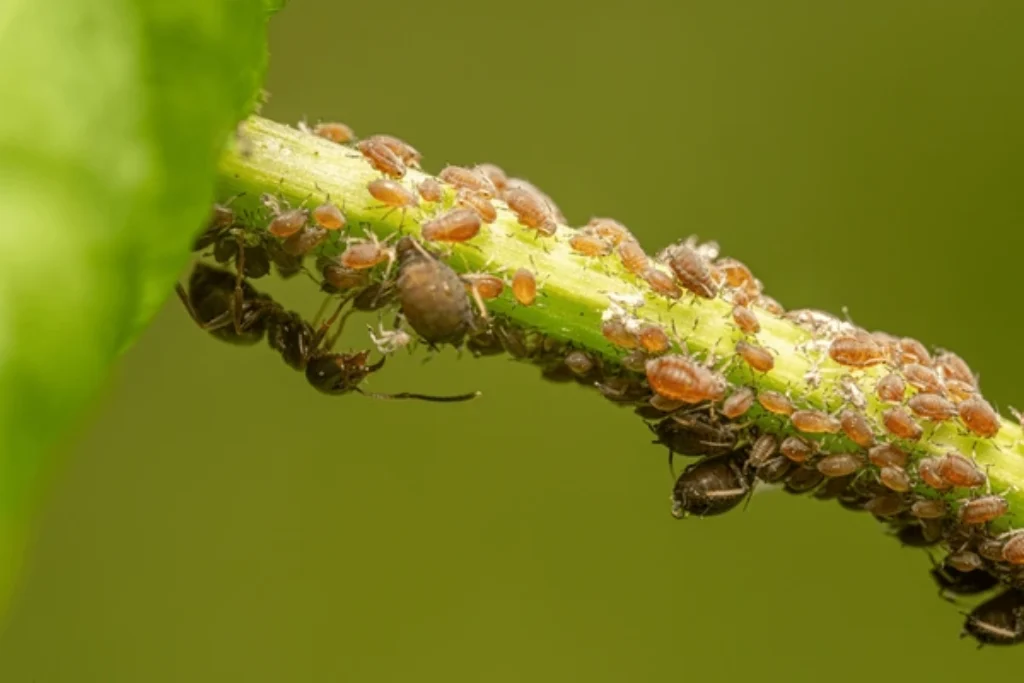
Natural Pest Control Methods
Skip the harsh sprays—there are plenty of safe and easy ways to manage pests naturally. Neem oil, garlic sprays, insecticidal soap, and even a strong hose can do the job without hurting beneficial insects or plants. These methods work best when used early, before the pests get out of hand.

Preventative Measures to Keep Pests Away
Prevention is better than a cure. Giving your Banksias and Grevilleas full sun, good airflow, and well-drained soil can keep most pests away. Regular checks and clean garden tools also stop bugs and diseases from spreading. Healthy plants are better at resisting attacks, so give them what they need and they’ll return the favour.

Visual Aids: What to Look For
Keep your eyes peeled for common signs like sticky leaves, webbing, brown bumps, or chewed edges. These are early warnings that pests are moving in. Use your phone to take a picture, compare it to pest ID charts online, or show it to your local garden centre. Spotting pests early makes all the difference.

Many Australian gardeners use native-friendly pest solutions to manage Banksia and Grevillea pests without harming local wildlife.
Banksia vs Grevillea Care: Which Native Plant is Better for Australian Garden 2026?
Click the link below.
Read the Full Plant Comparison Here →<strong>How to Make Grevilleas Bloom More (While Avoiding Pests)</strong>
A blooming Grevillea is a happy one—but if it’s not flowering, pests or stress might be the cause. Please ensure it gets full sun, low-phosphorus native fertiliser, and a light prune after flowering. Grevilleas flowers on new growth, so keep them tidy and stress-free to get more blooms and fewer bugs.
Banksia vs. Grevillea Flowering Problems and Pest Issues
Grevilleas and Banksia are mates in the plant world, but are not identical. Banksias are a bit tougher with soil and nutrient,s but can get borers and leaf miners. Grevilleas are more sensitive and need a bit more sun and pruning. Treat them differently, and they’ll both thrive.
<strong>The Hidden Dangers: Are Your Banksias or Grevilleas Toxic to Pets?</strong>
While most native plants are safe, some Grevilleas, especially Grevillea robusta (Silky Oak), can cause skin irritation or tummy troubles for pets. Banksias are generally non-toxic, but keeping any plant out of reach of curious pets is still smart. A quick check with your vet or local nursery can help you plant with peace of mind.
Pet-Friendly Native Alternatives
If you want a worry-free garden, many native plants are safe for pets. Bottlebrush, native sarsaparilla, and lomandra give you that classic Aussie look without the risks. They’re hardy, look great all year round, and attract native wildlife too, without putting your pets at risk.

Conclusion: Keep It Natural, Keep It Safe
Managing pests on Banksias and Grevilleas doesn’t have to be hard. With natural methods, a watchful eye, and some basic pet safety knowledge, you’ll have a blooming native garden that’s safe for pets and buzzing with life. A little love and Aussie know-how go a long way.
How to Grow Banksia from Seed in Australia: An Easy Guide 2026 – Anyone Can Do It!
<strong>FAQS – Aussie Gardeners Ask</strong>
Are Grevilleas dangerous to pets?
Some types, like Grevillea robusta, can cause mild irritation or vomiting. Most hybrids are low-risk, but always check before planting.
What’s a safe fertiliser for Grevilleas and Banksias?
Use a native plant fertiliser with low phosphorus (P < 3). These are designed specifically for sensitive Aussie natives to prevent root toxicity.
How do I stop aphids naturally?
Neem oil or insecticidal soap works great. You can also spray pests off with a strong blast of water or encourage ladybirds into the garden.
Are Banksias pet-safe?
Yep! Banksias are generally non-toxic and highly safe for suburban yards, but it is always best practice not to let curious pets actively chew on the foliage.
Why are my Banksia leaves turning silver?
That’s likely spider mites. Spray the plant thoroughly with native-safe neem oil and try to increase the ambient humidity around the foliage if possible.
How do I treat scale insects on my Grevillea?
Apply a horticultural eco-oil directly to the affected stems. Ensure the oil is labeled safe for Australian native plants, and avoid spraying on hot days above 30°C.
Can I use standard potting mix for Banksias in pots?
No. Standard mixes contain too much phosphorus. You must use a dedicated, premium Australian Native potting mix to keep your potted Banksias healthy.
Why is my Grevillea dropping leaves suddenly?
Sudden leaf drop is usually a sign of root rot caused by poor drainage or overwatering. Ensure your heavy clay soil is mounded to allow water to drain away freely.
How often should I water newly planted natives?
Water them deeply 1 to 2 times a week during their first year of establishment. Once the root system is set, they become incredibly drought-tolerant.
Do native birds eat the pests on my Grevillea?
Yes! Attracting honeyeaters and insectivorous birds is the best natural pest control. They will happily snack on aphids, caterpillars, and spiders living in the foliage.
How do I protect my native plants from curl grubs?
Curl grubs eat the roots from underground. Treat the soil with a neem drench and encourage natural predators like magpies and kookaburras into your garden.
Is it safe to use chemical pesticides around my pets?
Avoid harsh systemic chemicals if you have roaming pets. Stick to natural, topical remedies like pyrethrum or neem oil, and always let the spray dry completely before letting pets outside.
Small Banksias for Tiny Gardens, Pots & Easy Care Aussie Beauties
Why Is My Banksia Dying? A Comprehensive Guide 2026
Small Banksias for Tiny Gardens: Easy Care Tips & Tricks Guide 2026
Why Banksias Are My Favourite Plants: A Comprehensive Guide
How to Grow Banksia from Seed in Australia: An Easy Guide 2026 – Anyone Can Do It!
Banksia and Grevillea Pests: How to Spot and Stop Them Naturally + Pet Safety Guide 2026
knv,c