 Huma Naveed
Deciding between Teddy Bear Magnolia vs Little Gem for your Australian garden? Choosing the wrong variety can lead to overcrowding, poor growth, or extra maintenance—especially in small spaces.
Here we will compare growth size, density, care needs, and pot suitability to help you choose the right magnolia for your space—whether it’s a compact courtyard, balcony, or a larger backyard.
Brisbane Humidity vs. Melbourne Frost
- For the Sunshine State (QLD/Brisbane):
- High humidity and aggressive afternoon sun.
- The Fix: ‘Little Gem’ is a subtropical powerhouse, but in humid years, it is prone to Sooty Mold. Ensure 1.5m spacing for airflow. If planting young trees, provide afternoon shade during their first summer to prevent leaf scorch.
- For the Garden State (VIC/Melbourne):
- Biting southern winds and wet, cold winters.
- The Fix: ‘Teddy Bear’ wins here. Its thicker, rounder leaves act like a biological shield against cold-wind burn. While both handle light frost, ‘Teddy Bear’ remains denser and less “leggy” during a grey Melbourne winter.
Container Gardening vs. In-Ground Planting
One of the biggest mistakes Australian landscapers make is choosing a Magnolia based on looks alone, without considering the root-to-soil ratio.
Why Teddy Bear is the “Pot King”
If you are restricted to a balcony or a paved courtyard, the Teddy Bear is your only choice. Its slower growth rate and naturally dense, rounded habit mean it handles “root confinement” significantly better than its cousins.
here is “Magnolia little gem vs Teddy bear”
| The Metric | Magnolia ‘Teddy Bear’ | Magnolia ‘Little Gem’ |
|---|---|---|
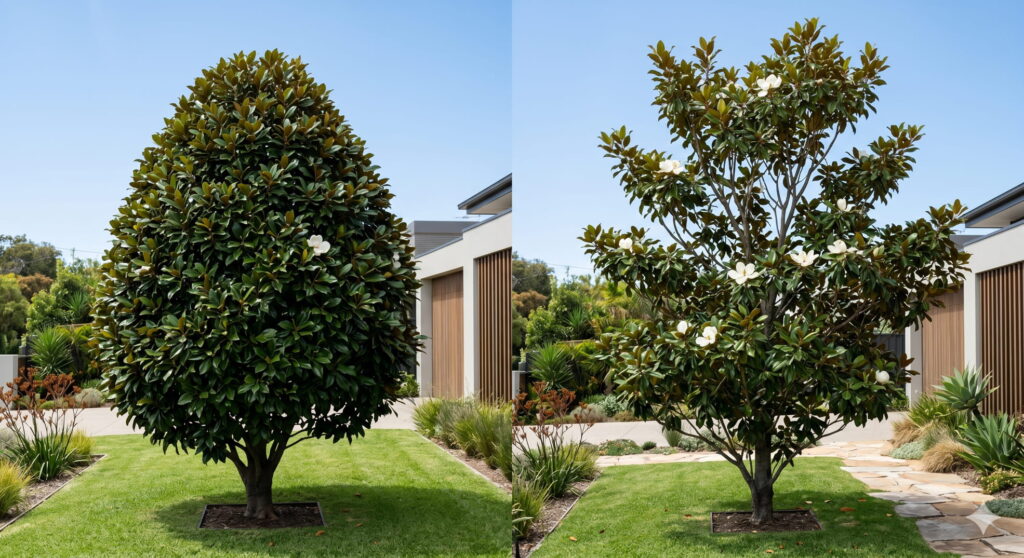
| Mature Height | 3.0m – 4.0m (Very compact) | 4.0m – 6.0m (Taller screening) |
| Mature Width | 2.0m – 3.0m (Dense/Rounded) | 2.5m – 3.0m (Upright/Columnar) |
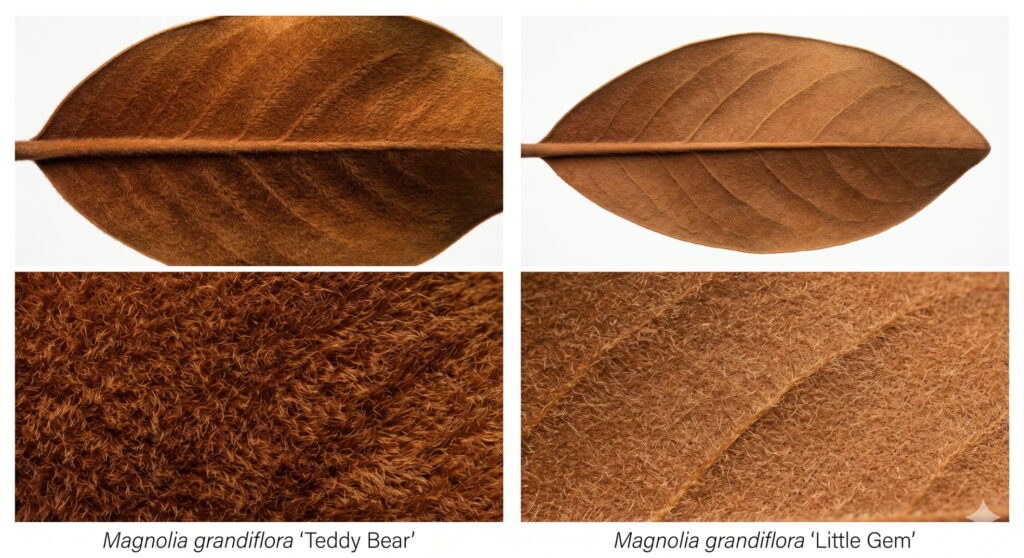
| Leaf Detail | Heavy felted bronze/orange back | Lighter rusty-brown backing |
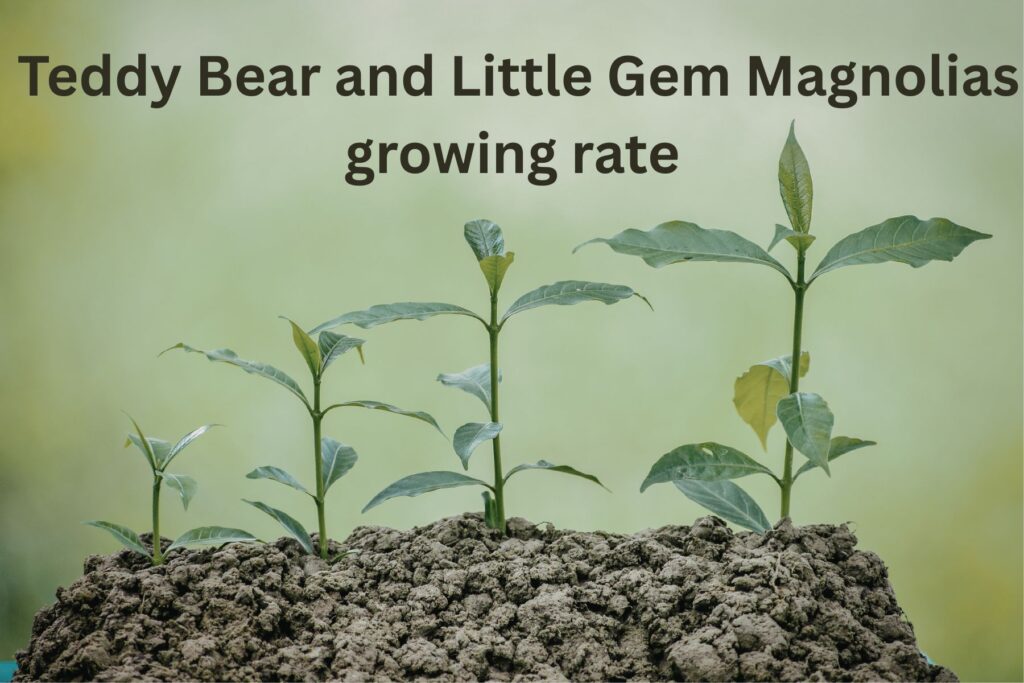
| Growth Speed | Moderate & Tidy | Fast & Vigorous |
| Best Use | Pots, Courtyards, Feature Tree | Privacy Hedges, Large Screens |
Pot Tip: Use a 50cm to 60cm wide pot minimum. Use a premium Native Potting Mix (low phosphorus) to keep the foliage deep green.
Growth Habit and Size
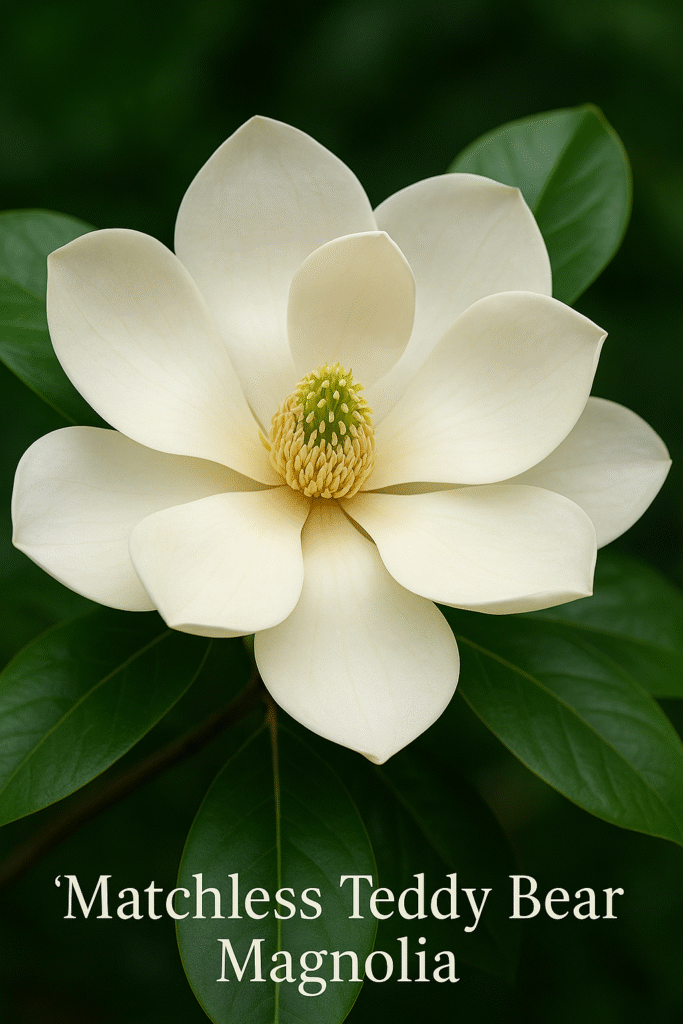
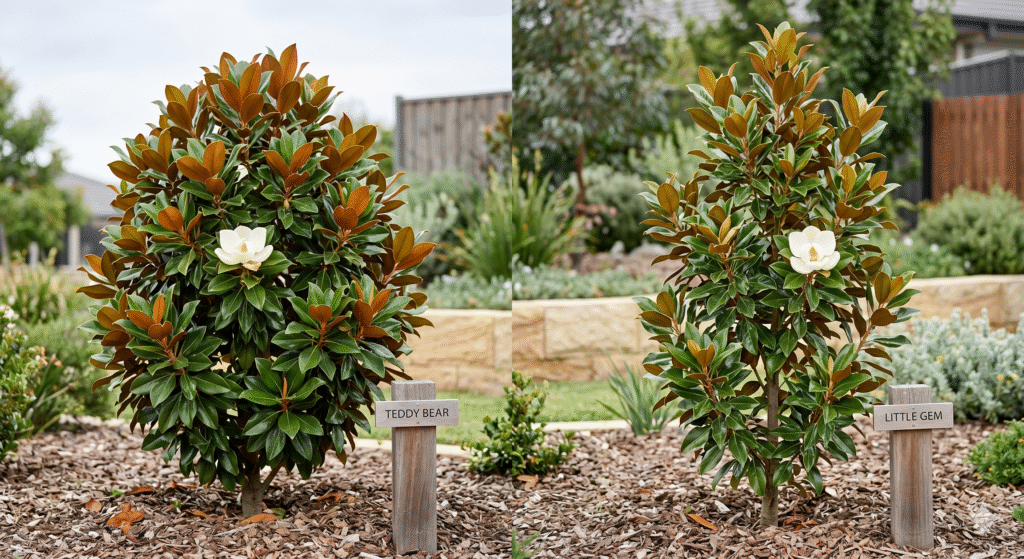
Teddy Bear Magnolia grows into a compact, upright cone shape — ideal for small backyards or courtyards. The Teddy Bear Magnolia keeps a tidy, rounded form and rarely becomes too large for its spot.
That makes it suitable for smaller gardens, courtyards, and front yards where space is limited.
In contrast, the Little Gem Magnolia tends to reach greater heights and spread more widely. It naturally grows into a thick screen, making it a great choice for creating privacy or defining garden boundaries in bigger spaces.
Verdict:
- Go for a Teddy Bear if you want a compact, low-maintenance tree that fits neatly into small areas or decorative pots.
- Pick Little Gem if your goal is a lush hedge or a taller statement tree for open gardens.
- .
Foliage & Flowers
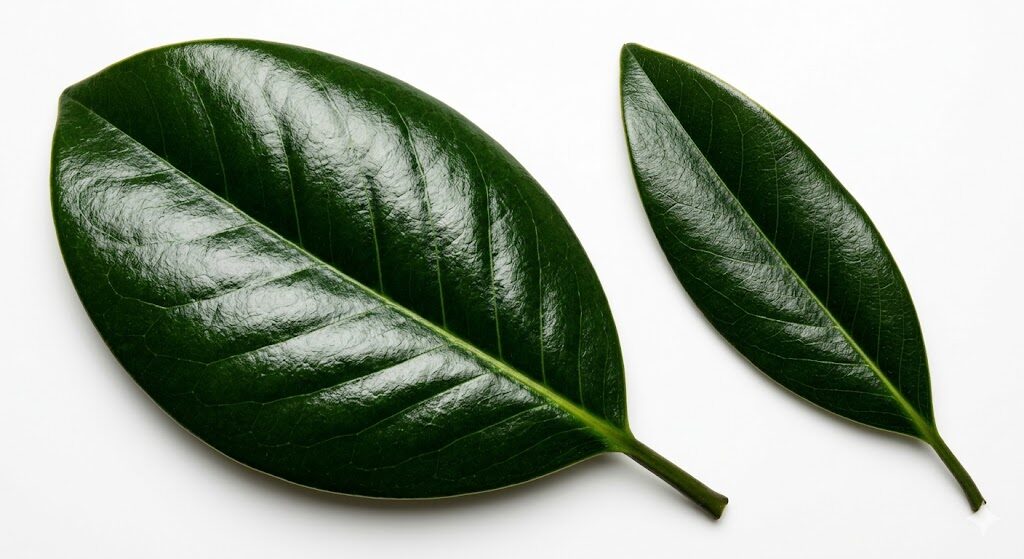
Both magnolias are known for their glossy green leaves and creamy white flowers that bloom in summer and early autumn.
However, Teddy Bear stands out with its rich bronze-backed leaves, giving it a warmer tone — especially striking against neutral walls or fences. Its flowers are slightly larger and more fragrant.
Little Gem produces more flowers, though they are smaller. It has a classic magnolia look — lush, neat, and timeless.
Verdict: “Teddy Bear Magnolia vs Little Gem”
- Choose a Teddy Bear for colour contrast and big blooms.
- Choose Little Gem for more frequent flowering.
Maintenance and Care
Both Teddy Bear and Little Gem Magnolias are wonderfully easy to look after — perfect for gardeners who prefer low-fuss plants that still look impressive.
The Teddy Bear Magnolia grows slowly, so it naturally maintains its compact, rounded form with very little pruning. Just give it a good soak during dry spells and refresh the mulch once a year to keep the soil moist and healthy.
The Little Gem Magnolia, on the other hand, grows a bit more quickly and may need a light trim now and then to maintain its shape. It responds well to gentle pruning after flowering and appreciates a balanced fertiliser feed twice a year.
Verdict:
- Teddy Bear: Best for busy gardeners.
- Little Gem: Best for those who enjoy regular pruning and shaping.
Ideal Spots for Planting in Australia
Australians love magnolias for their glossy evergreen leaves, creamy white flowers, and lush year-round look. But when it comes to compact varieties, two favourites always lead the debate — Teddy Bear Magnolia vs Little Gem.
Both thrive in full sun to part shade and well-draining soil. But they shine in different settings:
Location, Best Variety, Why It Works
Small Courtyards Teddy Bear Compact size & slow growth
Front Yards Teddy Bear Beautiful, rounded form
Privacy Hedges Little Gem Tall and dense growth
Large Backyards, Little Gem Spreads beautifully with space
Containers / Pots Teddy Bear Handles confined roots well.
Watering & Feeding Needs
Both trees prefer consistent moisture but not soggy soil. Overwatering can lead to root rot — a common issue in magnolias in Australia.
Feed with a slow-release fertiliser for acid-loving plants in early spring and mid-summer. Use organic mulch around the base to keep roots cool and moist.
Both Teddy Bear and Little Gem are evergreen cultivars of Magnolia grandiflora, native to the southern United States but widely grown in Australian climates.
Feature: Teddy Bear Magnolia, Little Gem Magnolia
| Feature | Teddy Bear Magnolia | Little Gem Magnolia |
|---|---|---|
| Height | 3–4 metres | 4–6 metres |
| Width | 2–3 metres | 3–4 metres |
| Growth Rate | Slow to moderate | Moderate to fast |
| Leaf Colour | Glossy green top, rich bronze underside | Dark green top, light brown underside |
| Flower Size | Large (up to 20 cm) | Medium (10–15 cm) |
| Sunlight | Full sun to part shade | Full sun preferred |
| Maintenance Level | Low (minimal pruning) | Moderate (regular shaping needed) |
| Best For | Small gardens, pots, feature planting | Hedges, screening, larger spaces |
Climate Adaptability Across Australia
Region Best Choice Reason, Teddy Bear Magnolia vs Little Gem.
| Feature | Teddy Bear Magnolia | Little Gem Magnolia |
|---|---|---|
| Growth Rate | Slow | Faster |
| Size | Compact | Taller |
| Maintenance | Low | Moderate |
| Best Use | Small gardens, pots | Hedges, screening |
| Flowering | Larger, fewer | Smaller, more frequent |
| Heat Tolerance | Slightly higher | Good |
Sydney / NSW Coast, Either Warm and humid suits both
Melbourne / VIC Teddy Bear Handles cooler climates better
Brisbane / QLD Little Gem Thrives in subtropical warmth
Perth / WA Teddy Bear Compact form suits smaller urban gardens
Adelaide / SA Either Similar performance in mild conditions
Both species tolerate light frost and hot summers, but Teddy Bear tends to handle varied climates a little better.
Pros and Cons of Teddy Bear Magnolia vs Little Gem
| Magnolia ‘Teddy Bear’ | Magnolia ‘Little Gem’ |
|---|---|
Pros:
|
Pros:
|
Cons:
|
Cons:
|
Variety Pros Cons
Teddy Bear Magnolia Compact, easy to maintain, beautiful foliage contrast, great for pots. Slower growth, fewer flowers
Little Gem Magnolia: Fast-growing, dense hedge option, more flowers. Needs pruning; it can outgrow small areas.
A Perfect Low-Maintenance Option
For busy Australians or renters, artificial Teddy Bear Magnolias are a brilliant way to enjoy the look without the upkeep. try high-quality artificial Magnolia arrangements. They bring a lush, realistic touch to offices, lounges, or patios — and you can explore beautiful options at GardenGreen.au.
. Why Little Gem is the “Screening Queen”
While you can grow a Little Gem in a pot, it is a vigorous grower. In a container, it will likely become root-bound within 3 years, leading to yellowing leaves and “sparse” growth.
Ground Tip: Plant Little Gems in the ground to let their vigorous root system fuel that rapid height. This is your best weapon for blocking out a two-storey neighbour quickly.
If you love structure and symmetry, Teddy Bear Magnolias make stunning feature trees in modern and coastal gardens—plant one on either side of your entrance or driveway for a neat, formal look.
Little Gem Magnolias are excellent for creating privacy walls or natural fences. They also look fantastic lining large driveways or property borders.
You can explore premium-quality artificial magnolias at:
GardenGreen.au Artificial Collection
, and also browse real Teddy Bear Magnolia plants at
Bunnings Australia.
FAQs: Teddy Bear Magnolia vs Little Gem
Which Magnolia is better overall for Australian gardens?
Teddy Bear suits small gardens, while Little Gem is better for height and screening.
Is Little Gem Magnolia a good choice for hedging?
Yes, it grows taller and forms a dense privacy screen.
Does Little Gem require more maintenance?
Yes, it may need more pruning to control height and shape.
Which Magnolia grows faster?
Little Gem grows faster, while Teddy Bear stays compact.
Which is easier to maintain?
Teddy Bear requires less pruning and maintenance.
Which is better for small gardens?
Teddy Bear is ideal due to its compact growth.
Which one flowers more?
Little Gem flowers more often, while Teddy Bear has larger blooms.
Can I grow Little Gem in pots?
Yes, but it needs a larger pot and regular pruning.
Do they have invasive roots?
No, both are safe near structures and pathways.
Which handles heat better?
Teddy Bear is slightly more heat-tolerant once established.
Why is my Little Gem not growing well?
Usually due to poor soil, low sunlight, or watering issues.
How far apart should I plant Little Gem for a hedge?
Space them 1–1.5 metres apart for a dense hedge.
The Final Verdict: Which Magnolia Wins?
Choosing the right magnolia isn’t about which is “better”—it is about the spatial engineering of your specific Australian garden.
Both varieties provide hardy, evergreen structure and iconic white blooms, but they serve completely different landscaping purposes.
The “At-A-Glance” Decision Guide:
Choose Teddy Bear for
Pots, tight courtyards, and narrow side-passages. Its compact, upright habit and slow growth rate make it the ultimate low-maintenance architectural plant.
Choose Little Gem for:
Rapid height, dense privacy hedges, and large feature planting. It grows faster and wider, making it perfect for screening out two-storey neighbours.
The Zero-Maintenance Alternative
If sunlight or space is limited, high-quality artificial magnolias offer the same lush look without watering, soil, or ongoing care—ideal for indoor styling or low-light areas
Next Steps for Your Garden:
Make the right match for your space, and your magnolia will reward you with decades of year-round value. Ready to get started?
Need the right container? [Check out the Top 5 Pots for Balcony Trees]
Learn how to prep your soil: [Read our Guide to Australian Soil Engineering]