 Huma Naveed
Strelitzia Pests in Australia: For many Australian gardeners, Strelitzia (Bird of Paradise) is a garden gem with its lush, tropical leaves and dramatic blooms.
However, this beauty can attract pests. Tiny sap-sucking insects like thrips, scale, and mealybugs can silently infest your Strelitzia, leading to yellowing leaves, stunted growth, sticky residue, and even mould.
these pests multiply quickly and hide in crevices, infestations are often noticed only after visible damage appears, making recovery much harder.
Gardengreen gives you clear, step-by-step methods to:
- Identify common pests early
- Treat infestations effectively (organic + chemical options)
- Prevent future outbreaks
These practices, you can keep your Strelitzia healthy, strong, green, and pest-free — without resorting to excessive chemicals.
<strong>Strelitzia Pests in Australia:</strong>: What You Might Encounter
| Pest / Insect | What to Look For (Signs & Symptoms) | Why It’s Harmful |
|---|---|---|
| Mealybugs | White, cotton-like fluff or waxy “cotton-balls” at leaf joints, on stems and undersides; sticky residue (honeydew); leaves yellowing or wilting. Where to check: leaf bases, axils, under older leaves. | They suck plant sap, weakening the plant, slowing growth and causing leaf drop. Honeydew encourages sooty moulds that block light. |
| Scale insects | Small oval/round bumps on stems or leaf undersides; can be hard-shelled or soft. Often accompanied by sticky honeydew and yellowing leaves. Where to check: along stems, under petioles and on older thick leaves. | Scale suck sap and may form protective coverings, making them difficult to remove. Heavy infestations stunt growth and reduce vigour. |
| Thrips | Very small, slender insects (often hard to see). Damage appears as silvery/pale streaks, speckling, leaf deformation, and tiny black droppings. Where to check: new growth, flowers and leaf folds. | Thrips feed on leaf tissue, reducing photosynthesis, causing distorted growth and increasing susceptibility to other pests and disease. |
| Other less common pests | Aphids (clusters on new shoots), spider mites (fine webbing, very small speckling), whiteflies (tiny white flying insects). Look for webs, clusters, or sudden sticky residue. | These also suck sap or create stress; spider mites can severely discolour leaves in dry indoor conditions; whiteflies spread rapidly in warm sheltered spots. |
Why Strelitzia Is Vulnerable — Especially in Australia
Understanding Strelitzia pests in Australia early can save your Bird of Paradise from long-term damage and slow recovery.
- Strelitzia’s thick leaves and multiple leaf-stems create many hidden nooks — ideal hiding places for scale and mealybugs.
- In warm or humid parts of Australia, sap-sucking pests thrive — and if plants are over-watered or over-fertilised, they become more attractive targets.
- Indoor or greenhouse Strelitzia may suffer from poor air circulation or consistent warm, humid conditions — a favorable environment for pests.
Hence, careful prevention, monitoring, and prompt action are vital.
How to Inspect Your Strelitzia
Establish a monthly pest-check routine for Strelitzia Pests in Australia. Here’s how:
- Inspect both sides of every leaf — pay attention to leaf joints, where the leaf meets the stem, and the underside of leaves.
- Look for tiny white fluff (mealybugs), small bumps (scale), silvery streaks, or tiny black dots (thrips).
- Check for sticky residue (honeydew) — often indicates sap-sucking insects.
- Examine the soil surface and the pot rim (some pests or their eggs can hide there).
- If you notice unusually slow growth, yellowing leaves, leaf drop, or distorted leaves, increase inspection frequency.
Treatment & Control, Step by Step
When you detect pests, act as soon as possible. Early intervention is key.
Many Strelitzia pests in Australia spread quickly if left untreated, especially on indoor or potted plants.
Light Infestation — Mechanical & Safe Methods
For few insects Strelitzia Pests in Australia then follow below instructions:
- Manual removal / wiping: Use a cotton swab dipped in 70% isopropyl (rubbing) alcohol to wipe off mealybugs or scale. Alcohol dissolves their waxy protective coating and kills them quickly.
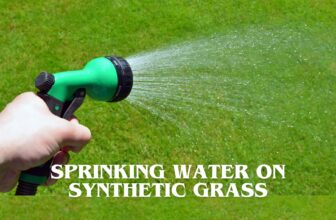
- Water spray: For outdoor Strelitzia, a firm but gentle jet of water (hose or shower) can dislodge many pests — especially thrips and scale crawlers. Do this outdoors or in a controlled area.
- Isolation: Immediately isolate the infected plant from others — pests spread quickly if left unchecked.
Medium to Heavy Infestation — Organic & Chemical Treatments
If pests persist or are widespread, follow a treatment plan combining organic methods first, then chemical if needed.
Organic Treatments (safer, recommended first)
| Treatment | How to Apply | Frequency & Notes |
|---|---|---|
| Insecticidal Soap Spray | Use a gentle soap or a ready-made insecticidal soap. Mix strictly according to label instructions. Spray all plant surfaces thoroughly — leaf tops, undersides, and stems. | Apply every 5–7 days until the infestation is gone. Especially effective for soft-bodied pests such as mealybugs, scale crawlers, and thrips. |
| Horticultural / Neem Oil Spray | Dilute oil with water as directed (often oil + water with a mild emulsifier). Spray generously, ensuring full coverage of leaf undersides and stems. | Use every 7–14 days for several weeks. Works by suffocating pests and interrupting their egg cycle. |
| Biological Control (Beneficial Insects) | Suitable for outdoor plants or greenhouses. Introduce natural predators such as ladybugs, lacewings, or other beneficial insects. | Best for long-term pest management, particularly for scale and thrips. Avoid if chemical pesticides were used recently. |
Important notes for Australia:
- Apply oil or soap spray during cooler parts of day (early morning or late afternoon), not under harsh midday sun — otherwise leaves may burn.
- Always coat thoroughly — many pests hide under leaves, along stems, leaf joints.
When to Use Chemical / Systemic Treatments
If infestation is heavy or recurrent, and organic methods aren’t enough:
- Consider a systemic insecticide (root-absorbed) — these travel through the plant’s vascular system and kill sap-sucking pests feeding anywhere (even in hidden spots).
- Use as last resort; always follow label directions carefully (dosage, timing, safety, re-entry after application).
Warning for indoor growers / pet owners: Only use insecticides approved for indoor plants; ensure proper ventilation; isolate plants and keep pets/children away until dried.
Sample Treatment Plan (7-Week Schedule)
Here’s a practical plan you can follow if you discover a moderate infestation Strelitzia Pests in Australia is there:
| Week | Action Plan |
|---|---|
| Week 1 (Discovery) | Isolate the plant immediately. Remove visible pests using alcohol-soaked cotton swabs. Apply insecticidal soap thoroughly to all leaf surfaces, including undersides and stems. |
| Week 2 | Gently rinse the plant with water (outdoor plants only). Apply neem oil or horticultural oil spray. Monitor closely for any pest activity. |
| Week 3 | Repeat insecticidal soap treatment if pests reappear. Inspect leaf undersides, joints, and crevices carefully using a magnifier. |
| Week 4 | Apply a second round of neem or horticultural oil spray. Check the soil surface and pot rim thoroughly for hidden pests. |
| Week 5 | If pests persist, consider a suitable systemic insecticide or continue with additional oil or soap applications, depending on infestation severity. |
| Week 6 | Optional preventive neem spray. Re-evaluate overall plant health — look for new growth, healthy leaf colour, and absence of sticky residue. |
| Week 7 | Perform a final inspection. If the plant remains pest-free for two consecutive weeks, gradually reintroduce it among other plants. Quarantine any new plants before placing them nearby. |
Document your treatments and observations (date, what you did, what you saw) — this helps track what works for your climate/conditions.
Prevention — Key to Long-Term Health
Prevention is often more effective than cure.
- Inspect new plants carefully before introducing them into your collection — many pests hitchhike on purchased plants.
- Avoid overwatering or over-fertilising; stressed or overfed plants are more prone to sap-sucking pests.
- Ensure good air circulation and moderate humidity (especially for indoor Strelitzia). Overly humid, stagnant air encourages pests.
- Prune dense foliage to reduce hiding spots.
- Regularly inspect plants (minimum once a month) with attention to hidden zones.
- If adding beneficial insects (ladybugs, lacewings), avoid using broad-spectrum insecticides — they will kill beneficials too.
Special Considerations for Australian Conditions
Since Australia has diverse climates, here’s how to adapt:
- Humid coastal or tropical zones (e.g. QLD, NSW northern coastal): Good for Strelitzia growth — but high humidity + warmth equals great conditions for pests. More frequent checks needed.
- Hot, dry inland areas or summer heatwaves: Pests such as scale and mealybugs may concentrate in shaded, humid pockets (e.g. under leaves, close to soil). Ensure good airflow; avoid overwatering.
- Indoor / pot-grown Strelitzia (urban apartments, balconies): Because of limited airflow and stable indoor climate, risk of recurring infestation is higher. Prefer frequent inspections, preventive organic sprays, and avoid overwatering or high-humidity stagnation.
What to Do If Infestation Seems Un manageable
If despite repeated treatment:
- Pests keep returning; or
- The plant’s growth is severely stunted; or
- Leaves are heavily damaged and there’s mould/honeydew everywhere
Then you may need to consider removing the plant. Especially if it’s near other plants — infestations spread quickly. This is often the easiest way to protect the rest of your collection.
Start fresh with a new (healthy) Strelitzia
Sterilise or discard contaminated soil, pots, supports (e.g. coir pole, moss, bark) — pests and eggs can hide there.
Clean surrounding area to avoid re-infestation.
Quick Reference Cheat-Sheet for Strelitzia Pest Management
Inspect monthly → treat early
Mechanical removal → soap/oil spray → repeat weekly
If heavy infestation → systemic insecticide (as last resort)
Prevent: good watering, airflow, isolate new plants, prune dense foliage
Don’t over-fertilise or over-water — stressed plants attract pests
FAQS, <strong>Strelitzia Pests in Australia</strong>
Are mealybugs and scale harmful to humans or pets?
Generally no — they don’t bite or sting. Their damage is limited to plants. Always use pesticide sprays carefully, with ventilation, and keep children and pets away.
How often should I check my Strelitzia for pests?
Check at least once a month. In warm or humid conditions, or after bringing home new plants, inspect every 1–2 weeks.
Can I use household dish soap instead of insecticidal soap?
Yes — a mild, fragrance-free dish soap diluted with water often works. Always test on a single leaf first to avoid leaf burn.
Is neem oil safe for indoor Strelitzia?
Yes, when diluted correctly. Apply in the morning or evening and avoid spraying during intense sunlight or high heat.
Will pests come back after treatment?
They can if eggs or hidden crawlers remain. Repeated treatments and ongoing monitoring are key to long-term control.
Conclusion — Keep Your Strelitzia Strong & Pest-Free
Caring for Strelitzia in Australia means more than water, light and soil — it means vigilance. Thrips, scale and mealybugs might be small, but they can wreak havoc if left unchecked.
By using the strategies described here, regular inspection, mechanical cleaning, organic sprays, and smart preventive care — you can protect your Bird of Paradise from pests without heavy chemical dependence.