 Huma Naveed
Strelitzia Nicolai vs Reginae: Australian gardeners choose between the giant Strelitzia nicolai (Giant Bird of Paradise) and the classic Strelitzia reginae (Bird of Paradise).
Which is the best
- Choose Strelitzia reginae if you want compact, colourful flowers for pots, small gardens, or a sunny patio. It’s easier to fit in small yards and blooms reliably in good light.
Vs
- Choose Strelitzia nicolai if you want dramatic, large leaves and a bold tropical statement or privacy screen in a larger garden — it can grow into a small tree. Expect a larger footprint and a stronger long-term presence.
Side-by-side at a glance (comparison table)
Feature: Strelitzia reginae vs Nicolai
Common name is Bird of Paradise or Giant Bird of Paradise
Mature size (typical cultivated) ~1–2 m tall, 1–1.5 m wide. 4–10 m tall, 2–4 m wide (large clump/stand).
Flower colour:
Bright orange & blue — showy.
White/blue or pale (larger but less colourful than reginae).
Leaf colour & size:
Green leaves, medium-sized (suitable for pots). Large, deep-green, banana-like leaves, dramatic.
Best for Small gardens, pots, indoor bright spots, and containers. Large gardens, screens, courtyards, public plantings.
Maintenance level Low–medium
Four Seasons Nursery Medium (needs space, regular water while establishing).
Flowering likelihood is High with intense light and some root restriction. Flowers when mature and slightly root-bound; less colourful but sculptural.
Differences between both
- Size & shape. S. reginae stays small and clump-forming — ideal for pots and narrow garden beds. S. nicolai becomes a large clump that can reach several metres and looks like a small palm or banana tree.
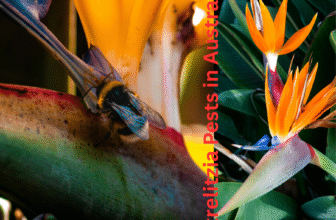
- Flowers. Reginae gives the classic orange/blue bird-like flowers used in bouquets. Nicolai produces larger, paler flowers (white/blue) that are less showy but still interesting
- Leaves. Nicolai’s leaves are much larger, excellent for tropical screens and dramatic backdrops. Reginae’s leaves are smaller and neater, making them ideal for structured garden designs.
Size comparison
- Strelitzia reginae: typically 1–2 m tall and 1–1.5 m wide in garden conditions. Smaller in pots.
- Strelitzia nicolai: commonly 4–10 m tall and 2–4 m wide as a mature clump (depends on soil and light). Plan for its eventual spread.
Leaf colour & appearance
- S. reginae healthy, glossy green leaves; neat upright clumps that repeat the tropical look without overwhelming a small space.
- S. nicolai — large, deep-green leaves, often with a slightly leathery texture. Leaves may tear in the wind (adds a rugged tropical look). Great for full-size tropical statements.
Maintenance level
Both plants are reasonably low-maintenance once established, but they differ slightly:
Strelitzia reginae (Low–Medium)
- Water regularly until established; drought-tolerant later.
- Loves bright sun (flowering needs intense light).
- Feed during the growing season for more blooms.
- Remove old leaves and spent flowers.
Strelitzia nicolai (Medium)
- Needs room to grow — mulch and regular water while establishing.
- Tolerates part shade but flowers best in full sun.
- Feed twice a year with a slow-release fertiliser.
- Watch for wind damage to large leaves; occasionally, prune damaged leaves.
Best Australian states/climates for each variety
Practical guidance for Australian gardeners.
- Strelitzia reginae — Best: QLD, NSW (coastal), WA (seaside), TAS (warmer sheltered spots), VIC (Melbourne — protected sunny spots). It tolerates temperate to subtropical coastal climates; it can grow inland if frost is mild and the sun is intense.
- Strelitzia nicolai — Best: Best suited to the QLD and NSW coastlines and other subtropical to warm temperate regions where frost is rare (e.g., northern NSW and coastal QLD).
- In cooler mainland areas like Melbourne or Canberra, it can grow in protected courtyards or large conservatories, though growth is slower and large flowers are less likely.
Common pests, diseases & problems
- Both are generally pest-resistant. Watch for scale, aphids, or snails, and remove dead material to avoid fungal problems. Avoid waterlogged roots — they need well-drained soil.
Final recommendation (for Australian homes)
- Small garden/balcony/pot: Strelitzia reginae — colourful flowers, compact, easy to place.
- Large garden/privacy screen / tropical look: Strelitzia nicolai — go big for leaves and drama, but plan space and patience.
Good to Know
Strelitzia Nicolai vs Strelitzia Reginae — Quick Questions & Answers
Short, simple answers to the most common questions Australian gardeners ask when choosing between the Giant Bird of Paradise (Strelitzia nicolai) and the classic Bird of Paradise (Strelitzia reginae).
- S. reginae: QLD, NSW (coastal), WA (coastal), VIC (sheltered), TAS (sheltered).
- S. nicolai: Best in warm, frost-free coastal areas (QLD, northern NSW). In cooler states grow in protected courtyards or larger conservatories.
- Check soil drainage and add compost if needed.
- Water well while plants establish, then reduce frequency.
- Feed in spring with slow-release fertiliser.
- Remove dead leaves and protect from strong winds.