What Makes Synthetic Turf “All-Season?
When Australians search for the best artificial grass for Australian climate, they often assume all synthetic turf is the same — green all year, low maintenance, no worries.
But in reality, not all artificial grass is engineered to handle Australia’s extreme conditions.
From 40°C summer heatwaves in Perth to frosty winter mornings in Canberra, synthetic turf must withstand some of the harshest environmental stress in the world.
So What Makes Synthetic Turf “All-Season”?
Let’s break down the science…
1. The Core Materials: Polymer Engineering That Determines Durability
Synthetic turf fibres are made primarily from three polymer types:
Polyethylene (PE)
- Soft texture
- Natural appearance
- Excellent flexibility
- Ideal for residential landscaping
Polypropylene (PP)
- Often used in backing layers
- Lower cost
- More brittle in temperature extremes
Nylon (Polyamide)
- Extremely durable
- Strong resistance to deformation
- Used in premium turf blends
The key difference between premium and low-cost turf lies in polymer quality and formulation. Cheap polypropylene-heavy turf becomes brittle under UV exposure and temperature fluctuations — leading to cracking and fibre breakdown.
High-grade polyethylene blends remain flexible even after years of Australian sun exposure.
2. UV Stability: Why Australian Conditions Demand Advanced Protection
Australia has one of the highest UV indexes globally. Prolonged UV exposure breaks molecular bonds in plastic polymers, a process known as photodegradation.
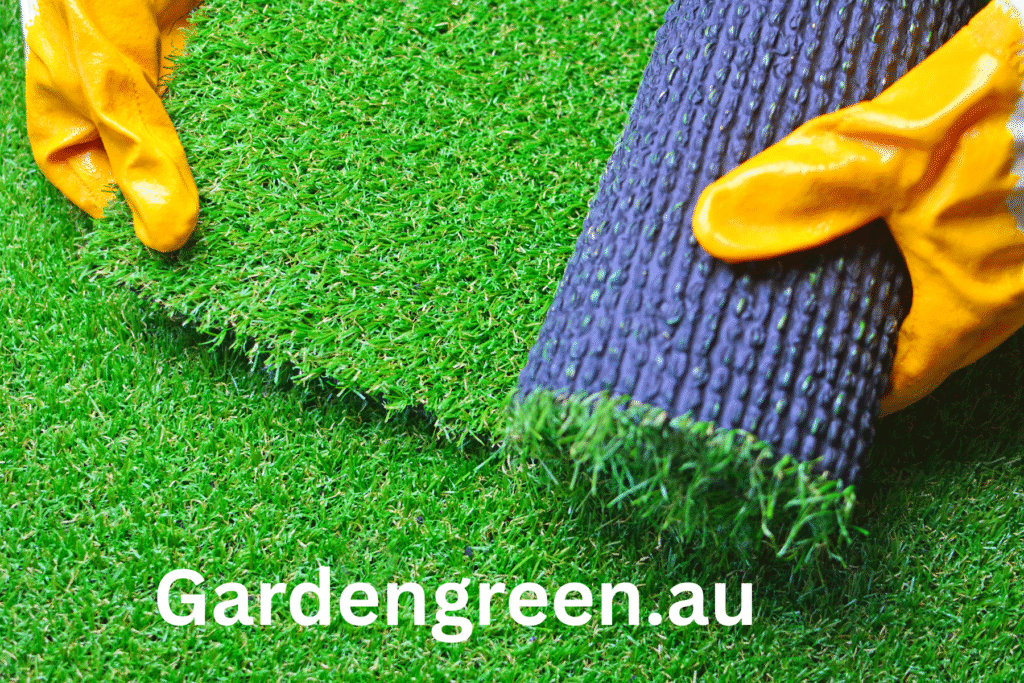
This causes:
- Colour fading
- Fibre brittleness
- Structural weakening
How Premium Turf Prevents UV Damage
Quality all-season synthetic turf includes:
✔ UV absorbers
✔ UV blockers
✔ HALS (Hindered Amine Light Stabilisers)
✔ Carbon-based colour stabilisers
These additives are infused directly into the yarn during manufacturing — not just coated on the surface.
This ensures:
- Long-term colour retention
- Structural integrity for 10–20 years
- Resistance to Australian summer UV extremes
If turf does not specify UV stabilisation technology, it is unlikely to perform long term.
3. Polymer Flexibility in Heat and Frost
Heat Resistance
In cities like Perth and Darwin, ground surface temperatures can exceed 60°C.
Premium synthetic turf:
- Maintains fibre memory (bounces back after compression)
- Resists softening or melting
- Includes optional cooling pigments to reduce surface heat
Lower-grade turf can flatten, warp, or permanently deform.
Frost & Cold Weather Performance
In cooler climates like Canberra, Melbourne, and regional NSW:
Cheap polypropylene turf becomes rigid during frost.
Premium polyethylene-based turf:
- Maintains flexibility below freezing
- Resists cracking during freeze–thaw cycles
- Preserves fibre strength over time
Now gradually we are resloving the query “What Makes Synthetic Turf “All-Season?
True all-season turf must perform across both temperature extremes.
4. The Backing System: The Hidden Structural Hero
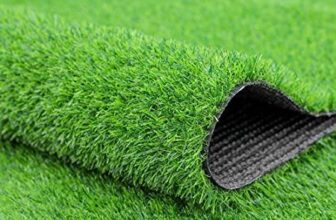
Many homeowners focus only on grass blades — but backing determines longevity.
A high-performance backing system:
- Secures fibres under tension
- Resists delamination
- Allows proper drainage
- Accommodates expansion and contraction
- Allows proper drainage
Poor backing systems are the #1 cause of premature turf failure in Australia.
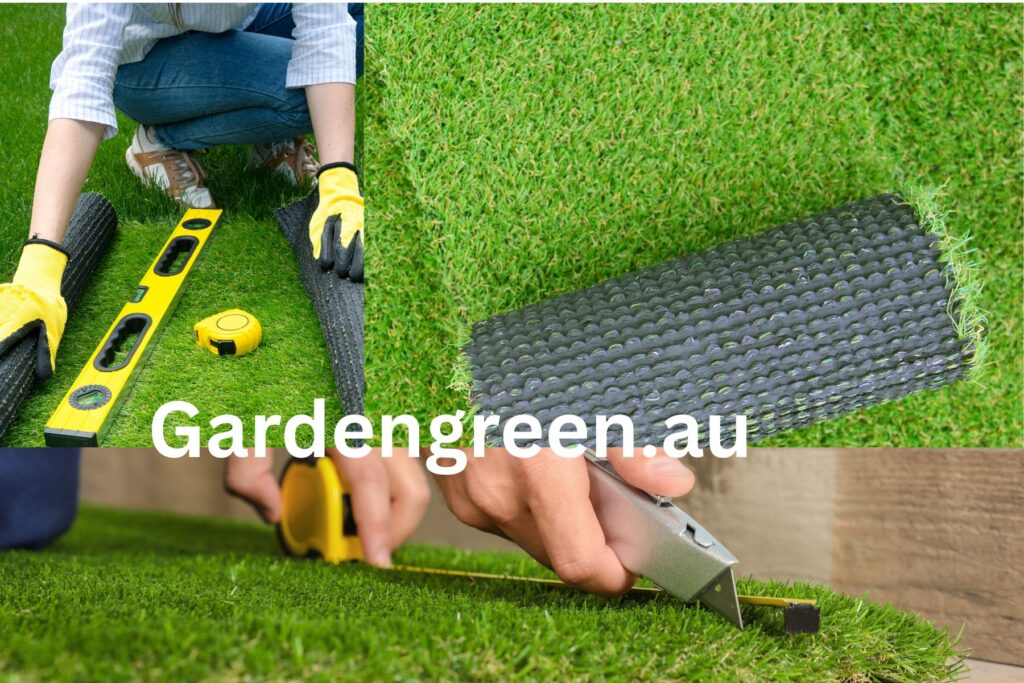
A simple “Tug Test” during inspection — pulling fibres gently — should not result in fibre release or backing separation.
5. Why Some Artificial Grass Fails After 2–3 Years
Common causes include:
- Insufficient UV stabilisers
- Overuse of polypropylene
- Weak latex adhesive backing
- Thin yarn structure
- No climate-specific engineering
The difference between budget turf and climate-engineered turf becomes visible after several Australian summers.
6. What Australians Should Look for When Choosing All-Season Synthetic Turf
When comparing products, check for:
✔ UV stabilised fibres (specifically mentioned)
✔ Polyethylene-dominant yarn
✔ Heat resistance certification
✔ Minimum 8–15 year warranty
✔ Perforated, durable backing
✔ Designed for Australian climate conditions.
FAQS!
Does artificial grass fade in the Australian sun?
High-quality synthetic turf with built-in UV stabilisers resists fading for 10–20 years. Cheap turf without proper UV additives can fade within 2–3 years.
Can artificial grass crack in winter?
Yes, low-grade polypropylene turf can become brittle and crack in frost conditions. Premium polyethylene turf remains flexible in cold climates.
How long does synthetic turf last in Australia?
Well-manufactured, UV-stabilised synthetic turf can last between 10 and 20 years, depending on usage and installation quality.
Does artificial turf get too hot in summer?
All artificial grass absorbs heat, but advanced products include cooling pigments and reflective technology to reduce surface temperature.
Is synthetic turf suitable for all Australian regions?
Yes — provided it is engineered with UV stabilisers, flexible polymers, and durable backing systems suitable for Australia’s climate extremes.
Final Verdict
An all-season synthetic lawn performs year-round because of:
Advanced polymer engineering
Integrated UV stabilisation
Temperature-flexible fibres
Structural backing durability
When engineered correctly, synthetic turf does more than look green — it maintains structural integrity across Australia’s most demanding weather conditions.