Installing turf in Hot Climates!
A flawless synthetic lawn should look smooth, natural, and perfectly flat for years.
However, some homeowners notice something frustrating after a hot summer, the turf starts to develop wrinkles, seams become visible, or the edges begin to lift slightly.
Most assume the turf is at fault!
In reality, the issue is almost always the installation method.
In climates like Australia, where summer temperatures can reach extreme levels, installers must account for this natural movement.
Professional installation is as vital as turf quality.
A premium turf installed incorrectly will never match a climate-adapted, expertly installed lawn.
Click here to know more The 365 Day Lawn Australia: All-Seasons Turf for Better Outdoors
Why Synthetic Turf Expands and Contracts
To see why installation matters, first understand turf behavior.
Artificial grass is made from polyethylene or polypropylene fibres attached to a flexible backing. These polymer materials expand slightly when exposed to heat and contract when temperatures drop.
When Problems arise?
Problems arise when installers overlook the movement.If turf is installed tightly against concrete, paving, or walls, expanding material has no escape.
The Hidden Truth: Installation Matters as Much as the Turf
When shopping for synthetic grass, homeowners often prioritize the product:
- colour tone
- pile height
- warranty length
While important, product features alone don’t ensure lawn quality; installation matters equally for lasting results.
A synthetic lawn is actually a complete landscaping system composed of several layers working together.
These layers include the base foundation, drainage preparation, seam joining systems, edge anchoring, and expansion allowances.
When installed correctly, these components create a lawn that stays flat, stable, and visually perfect for more than a decade.
Poorly installed turf, even high-quality turf, will show issues within a season.
Professional installers understand that the foundation and installation strategy determine the lawn’s long-term performance.
The Expert Secret: Allowing Turf to Move
One key technique pros use is rarely discussed in DIY guides.
Installing turf in hot climates requires expansion space to prevent wrinkles.
Instead of stretching the turf tightly against surrounding edges, expert installers leave a small expansion allowance around the perimeter.
This space is barely noticeable but extremely important.
This gap lets turf expand in hot weather without surface tension.
Without this buffer space, the expanding turf can push against hard surfaces, such as concrete borders or walls.
This pressure eventually causes wrinkles or ripples.
This simple technique is one of the small details that separates professional installation from basic turf laying.
Click if you want our comrehensive blog All-Seasons vs Budget Synthetic Turf Australia: Worth It?
Flexible Joining Systems Prevent Seam Problems
Large synthetic lawns usually require multiple rolls of turf.
Joining turf sections is a critical step.
Professional installers use specialised seam tapes and outdoor adhesives designed specifically for synthetic turf systems.
These systems form strong bonds and let turf flex with temperature changes.
Using proper joining tape and adhesives ensures seams remain secure and nearly invisible over time.
When seams are installed incorrectly, homeowners may notice:
- visible join lines
- lifting edges
- uneven grass height along seams
Proper edging is important when installing turf in hot climates.
The Foundation Beneath the Turf
A synthetic lawn is only as stable as the base beneath it.
Professional installations start with thorough ground preparation.
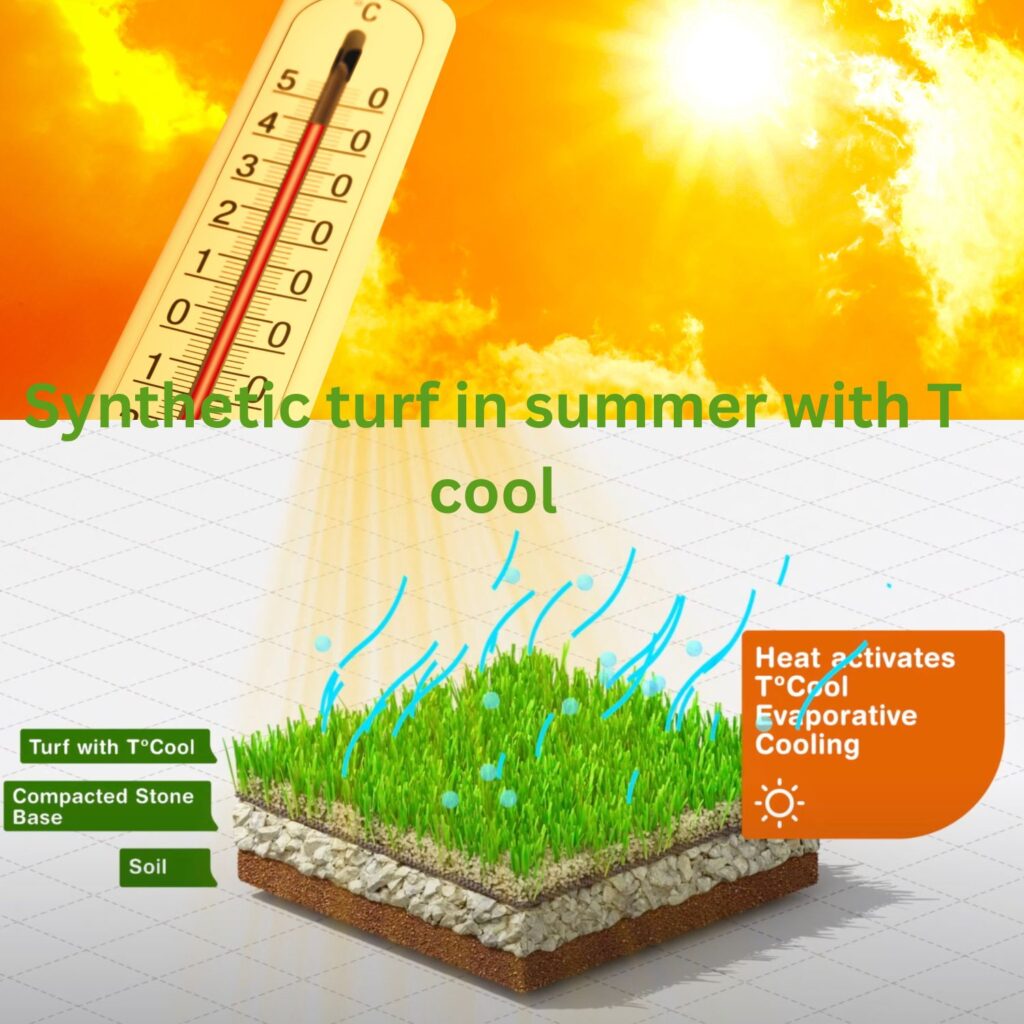
This stage includes removing existing grass, levelling the soil, and installing a compacted base layer made from crushed rock or similar material.
This base provides structural stability, prevents sinking, and aids drainage.
- preventing sinking or uneven areas
- supporting drainage during rain
Without a compacted base, turf may develop bumps, dips, or waves.
Ground preparation is widely considered one of the most critical steps in artificial grass installation, as poor preparation can lead to uneven surfaces and drainage issues.
Installers treat the base as the lawn’s foundation.
Drainage planning is critical when installing turf in hot climates.
Climate-Aware Installation in Australia
Australia’s climate presents unique challenges for synthetic turf installation.
Surface temperatures can exceed 60–70°C in direct sunlight, especially on dark or reflective areas.
Extreme temperatures heighten the need for professional installation.
Experienced installers consider several environmental factors during installation:
- sun exposure across the yard
- reflective heat from nearby windows or walls
- airflow and shade conditions
- surface slope and drainage
These factors affect turf performance throughout the year.
By planning, professionals keep the lawn stable and consistent year-round.
Click to know more about Beating the Aussie Heat: Does Synthetic Turf Get Too Hot in Australia?
Common Installation Mistakes That Cause Turf Problems
Many artificial turf issues appear months after installation, particularly during the first hot summer.
In most cases, an installation mistake is to blame.
This pressure creates ripples, seam stress, or raised edges.
Artificial turf naturally expands and contracts with temperature changes, but Professional installers plan for this movement from the very beginning.
The table below highlights some of the most common problems.
| Installation Issue | Potential Result |
|---|---|
| Turf installed too tightly | Wrinkles during hot weather |
| Poor seam joining | Visible lines or lifting |
| Weak perimeter anchoring | Edges curl or move |
| Uneven base preparation | Surface bumps and dips |
| Skipping infill material | Turf shifts or flattens |
These issues rarely occur when turf is installed by professionals.
Common Installation Mistakes That Cause Turf Problems
Many homeowners consider DIY installation to save money.
DIY installation is possible, but quality varies greatly.
| Factor | Standard Installation | Professional Installation |
|---|---|---|
| Expansion allowances | Often skipped | Designed for heat expansion |
| Seam joining | Basic seam joining | Professional seam systems |
| Base preparation | Minimal base preparation | Engineered base layers |
| Drainage planning | Limited drainage planning | Optimised drainage systems |
| Lifespan | Shorter lifespan | Long-term durability |
A professional doesn’t just roll out turf. They design installations tailored to the site and climate.
The Long-Term Benefits of Expert Installation
When synthetic turf is installed correctly, homeowners experience several long-term benefits.
- The lawn remains smooth and stable even during extreme summer heat.
- Seams stay invisible, and edges remain firmly anchored.
- Proper drainage prevents water pooling during heavy rain.
- Most importantly, the lawn maintains its natural appearance for many years.
Professional techniques protect the homeowner’s investment in turf.
Why Experienced Installers Make the Difference
Installing artificial grass is not simply a landscaping task.
It takes knowledge of materials, climate, and long-term performance.
Experienced installers anticipate turf reaction to seasonal change and plan accordingly.
They consider factors such as:
- expansion allowances
- seam flexibility
- drainage structure
- base stability
These technical details are often invisible once the lawn is complete. These details make a big difference over time.
Synthetic Turf Is a System, Not Just a Surface
Many people think of artificial grass as a product.
In fact, it is a system with components working together.
These include:
- turf fibres and backing
- seam joining systems
- base foundation layers
- drainage preparation
- edge anchoring systems
Each component plays a role in the lawn’s long-term performance, Correct installation ensures a durable, climate-ready outdoor surface.
The Real Difference Between Turf Sellers and Turf Experts
Anyone can sell rolls of synthetic grass, Proper installation demands expertise.
Professional installers understand how heat affects turf materials and use techniques that allow the lawn to expand and contract naturally without damage.
Details like expansion gaps and flexible seams are rarely visible to homeowners.
But these details help keep a lawn flat for years.
That’s the difference between supplying turf and delivering a well-engineered system.
Conclusion: A Lawn Designed for the Climate
Synthetic turf withstands weather and offers a low-maintenance solution.
But lasting quality depends on the installation.
When installation techniques account for expansion, contraction, drainage, and structural stability, the lawn performs exactly as it should.
This is why professional installation is crucial: it ensures your lawn looks natural, stays stable, and withstands seasonal changes. Choosing both quality turf and expert installation delivers a durable, attractive outdoor space for years to come.
Good to know
Faqs Installing turf in Hot Climates !
Does artificial grass expand in heat?
Yes. Artificial grass is made from polymer materials that naturally expand when exposed to high temperatures. Professional installers leave small perimeter gaps and flexible seams so the turf can expand without creating wrinkles.
Why does artificial turf wrinkle in summer?
Wrinkles usually occur when turf is installed too tightly or without expansion allowances. When the backing expands in hot weather, the pressure can create ripples across the surface.
How do professionals prevent artificial grass wrinkles?
Experienced installers prevent wrinkles by allowing slight expansion gaps near edges, using flexible joining tapes, and installing the turf without excessive tension.
Can artificial turf seams separate over time?
Seams may separate if low-quality tape or adhesives are used. Professional installation uses specialised seam tapes designed to remain strong and flexible during temperature changes.
Is artificial grass suitable for hot climates like Australia?
Yes. High-quality synthetic turf performs well in hot climates when installed correctly with proper base preparation, drainage, and expansion allowances.
Does synthetic turf shrink in winter?
Synthetic turf can contract slightly in cooler temperatures, but the movement is minimal. Proper installation ensures the lawn remains stable throughout seasonal temperature changes.
What causes artificial grass edges to lift?
Edges may lift if the turf was installed without proper anchoring or expansion space. Professional edging systems keep the lawn secure while allowing natural movement.
Can DIY artificial grass installation cause expansion problems?
Yes. DIY installations often skip expansion allowances and proper seam joining, which can lead to wrinkles, seam stress, or surface movement during hot weather.
How long should a professionally installed synthetic lawn last?
A high-quality synthetic lawn installed by experienced professionals typically lasts 15 years or more, depending on usage and environmental conditions.
Is installation more important than the turf itself?
Both matter, but installation is critical. Even premium turf can develop wrinkles or seam issues if it is installed without proper expansion allowances and base preparation.