Australia faces ongoing water shortages, extreme heat, and changing climate conditions. Because of this, many homeowners, schools, councils, and businesses are asking an important question:
Is synthetic turf eco-friendly in Australia, or is natural grass still better for the environment?
This guide breaks down the real environmental impact of synthetic turf, focusing on water savings, sustainability, biodiversity, and long-term benefits—so Australians can make an informed decision.
What Does “Eco-Friendly Synthetic Turf” Really Mean in Australia?
When Australians talk about eco-friendly synthetic turf, they usually mean turf that:
- Saves water during droughts
- Reduces chemical use
- Requires low maintenance
- Performs well in harsh climates
- Has a long lifespan
- Minimises environmental harm
Modern all-season synthetic turf in Australia is designed specifically for these goals—very different from early artificial grass products.
How Much Water Does Synthetic Turf Save in Australia?
Water Usage: Synthetic Turf vs Natural Grass
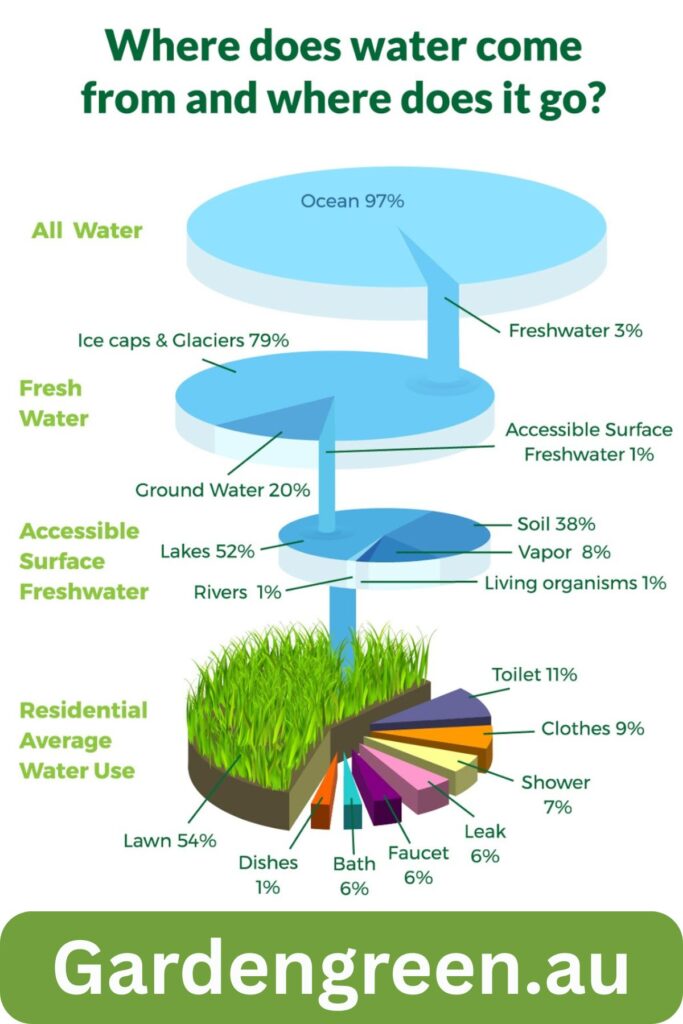
One of the biggest environmental advantages of synthetic turf is water conservation.
Natural Grass in Australia:
- Requires watering 3–5 times per week in summer
- Can use 40,000–60,000 litres of water per year for an average lawn
- Struggles during water restrictions
Synthetic Turf:
- Requires no regular watering
- Only occasional rinsing (for dust or pets)
- Saves thousands of litres of water annually
This makes synthetic turf a water-saving lawn solution for Australia, especially in drought-prone states like NSW, SA, VIC, and WA.
Synthetic Turf and Drought Conditions in Australia
Australia regularly experiences:
- Water restrictions
- Prolonged droughts
- Hot summers and dry winters
Why Synthetic Turf Is Drought-Friendly
- No irrigation systems needed
- Remains green year-round
- Does not die or brown during drought.
- Reduces pressure on local water supplies
This is why drought-friendly turf is increasingly used in:
- Residential gardens
- Schools and childcare centres
- Commercial landscapes
- Council spaces
Does Synthetic Turf Reduce Chemical Use?
Yes — and this is a major environmental benefit.
Natural Grass Often Needs:
- Fertilisers
- Herbicides
- Pesticides
- Weed killers
These chemicals can:
- Pollute soil and waterways.
- Harm pets and wildlife.
- Affect children’s health.
Sustainable Artificial Grass:
- Requires no fertilisers
- No pesticides or herbicides
- No lawn chemicals at all
This makes eco-friendly synthetic turf in Australia a safer option for families, pets, and the environment.
Is Synthetic Turf Safe for Soil and Groundwater?
Modern synthetic turf systems in Australia are designed with:
- Permeable backing
- Advanced drainage layers
- Non-toxic materials
Environmental Benefits:
- Water drains naturally through the surface.
- No chemical runoff into groundwater
- Reduces soil erosion
When installed correctly, synthetic turf does not contaminate soil and actually helps stabilise the ground in high-use areas.
What About Carbon Footprint and Manufacturing?
This is a fair concern — synthetic turf is manufactured, while natural grass grows naturally.
However, environmental impact must be measured over the entire lifespan.
Short-Term:
- Manufacturing does create emissions.
Long-Term:
- No mowing (less fuel use)
- No watering infrastructure
- No fertiliser production
- No chemical runoff
- Long lifespan (15–20 years)
Over time, high-quality all-season synthetic turf in Australia can offset its initial carbon footprint through reduced ongoing environmental impact.
Does Synthetic Turf Affect Garden Biodiversity?
The Honest Answer: It Depends
Synthetic turf does not support insects or microorganisms like natural soil does. However, this impact can be managed with smart landscaping.
How Australians Improve Biodiversity:
- Combine turf with native plants.
- Use garden beds around turf areas.
- Add trees, shrubs, and flowering plants.
- Avoid full-yard turf coverage.
When used strategically, synthetic turf can coexist with biodiversity-friendly gardens.
This directly supports the biodiversity discussion in your pillar blog.
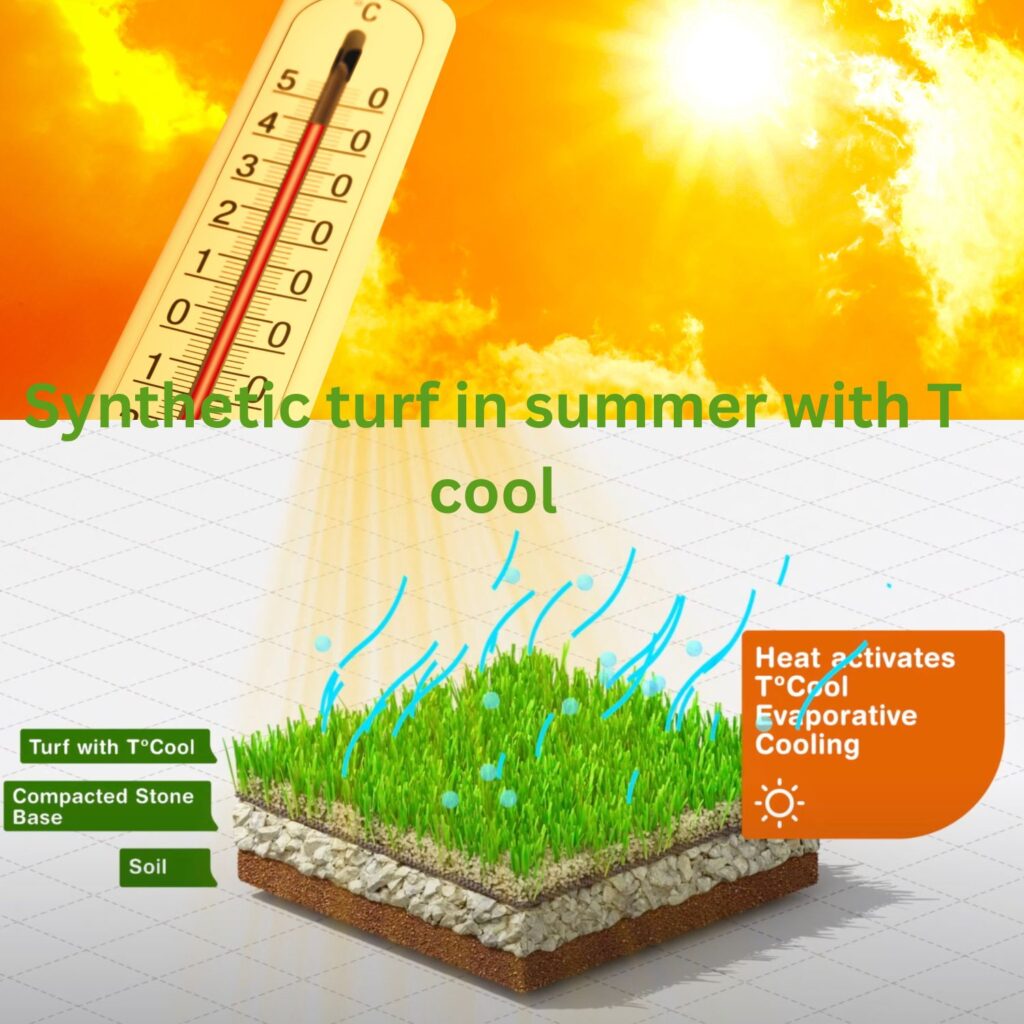
Synthetic Turf and Urban Heat: Is It Environmentally Responsible?
Older artificial grass was known to trap heat.
Modern All-Season Synthetic Turf in Australia:
- Includes heat-reflective yarns
- UV-stabilised fibres
- Improved airflow backing
- Cooler infill technologies
While synthetic turf can still get warm on very hot days, new eco-designed turf performs far better than earlier versions, especially when shaded or lightly rinsed.
How Long Does Eco-Friendly Synthetic Turf Last?
Longevity is a major sustainability factor.
Quality Synthetic Turf:
- Lasts 15–20 years
- Does not require replacement like dying lawns
- Maintains appearance with minimal resources
Fewer replacements = less waste over time, making it a more sustainable landscaping solution when chosen correctly.
Is Synthetic Turf Recyclable in Australia?
Recycling options are improving across Australia.
- Some turf components can be recycled.
- New manufacturers are offering recycling programs.
- Reuse options exist for off-cuts and old turf.
While not 100% recyclable yet, the industry is moving toward more sustainable turf solutions, especially for eco-conscious buyers.
Where Eco-Friendly Synthetic Turf Makes the Most Sense in Australia
Synthetic turf is especially environmentally beneficial in:
- Water-restricted areas
- High-traffic zones
- Shaded lawns where grass fails
- Commercial and public spaces
- Schools and childcare centres
- Pet-heavy households
In these cases, natural grass often requires extra water, chemicals, and repairs—making synthetic turf the greener option overall.
Synthetic Turf vs Natural Grass: Environmental Comparison
| Factor | Natural Grass | Synthetic Turf |
|---|---|---|
| Water use | Very high | Very low |
| Chemicals | Required | Not required |
| Maintenance | High | Low |
| Drought resistance | Poor | Excellent |
| Lifespan | Ongoing repair | 15–20 years |
| Environmental impact | High over time | Lower long-term |
Is Synthetic Turf Eco-Friendly in Australia? Final Verdict
Yes — when chosen and installed correctly, synthetic turf can be an eco-friendly, water-saving, and sustainable solution for Australia.
It is especially beneficial where:
- Water conservation is critical.
- Maintenance resources are limited.
- Long-term environmental impact matters
Modern all-season synthetic turf in Australia is designed to meet climate challenges while reducing water use, chemicals, and maintenance demands.
🔗 For a deeper look at climate performance, durability, and installation, explore our main guide on all-season synthetic turf in Australia.
FAQs: Eco-Friendly Synthetic Turf Australia
Is synthetic turf better for the environment than natural grass in Australia?
In many cases, yes—especially in drought-prone and water-restricted areas. Synthetic turf reduces water use, eliminates the need for chemical fertilisers, and lowers lawn maintenance emissions.
Does synthetic turf save water?
Yes. Synthetic turf can save thousands of litres of water each year compared to natural grass, making it ideal for Australian homes facing water restrictions.
Is synthetic turf safe for pets and children?
High-quality synthetic turf is non-toxic, lead-free, and chemical-free, making it safer for pets and children than many treated natural lawns.
Can synthetic turf be recycled in Australia?
Some components of synthetic turf can be recycled, and recycling programs in Australia are expanding as sustainability options improve.