
 Huma Naveed
<strong>Meet Lemon Myrtle Tree: Nature’s Lemon Zest Factory</strong>
Lemon Myrtle Tree is an iconic Australian native shrub (3–8m tall) that thrives in subtropical rainforests along the coastal regions of NSW and Queensland.
Glossy green leaves release a crazy-intense lemon scent—like someone bottled sunshine and rainforest air. And after rain, the whole tree hums with citrus perfume. Seriously, I’ll stand there just breathing it in.
Scientific Name: Backhousia citriodora
Also Known As: Lemon-scented myrtle, lemon ironwood, sweet verbena tree
But the real showstopper? Summer. Creamy flower clusters burst open, and suddenly my garden’s buzzing. Bees dive-bombing blossoms, butterflies fluttering like confetti, even cheeky lorikeets stopping by for a sip. It’s alive
<strong>Appearance & Characteristics</strong>
Feature Description
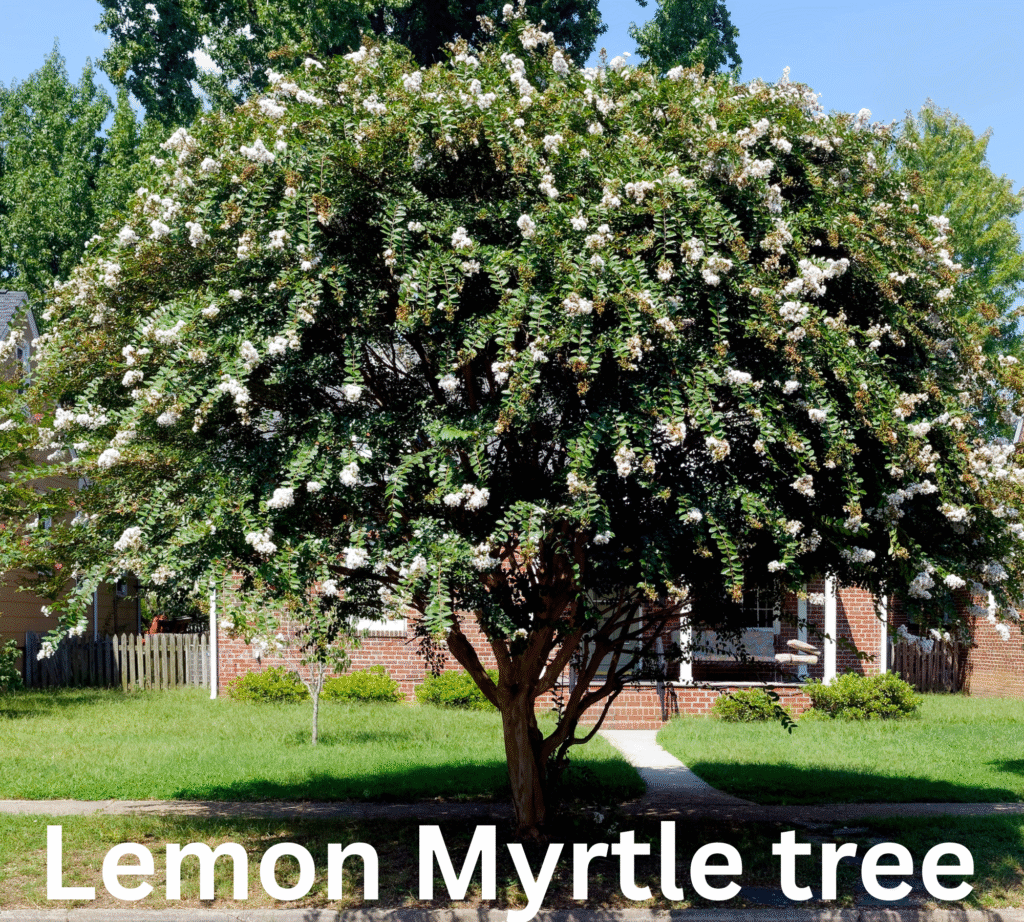
Foliage Glossy, evergreen, lemon-scented, oval leaves
Flowers: Creamy-white, fluffy clusters in summer/autumn
Growth Habit Dense, cone-shaped crown (prune for a rounded shape)
Climate: Frost-free temperate/subtropical zones
Soil Moist, well-drained, organically enriched
Position: Full sun to part shade
Special Power Leaves retain scent when cool-dried for storage
Lemon Myrtle Chemotypes
Lemon myrtle (Backhousia citriodora) occurs naturally in two essential-oil chemotypes, which differ in their principal oil constituent and typical uses:
| Feature | Citral chemotype | Citronellal chemotype |
|---|---|---|
| Prevalence | More prevalent; commercially cultivated | Uncommon |
| Main oil constituent | Citral (typically 90–98% of leaf oil) | Citronellal (approximately 80–89% of leaf oil) |
| Aroma | Strong lemon aroma associated with citral | Citronella-like lemon aroma associated with L-citronellal |
| Typical use | Culinary and fragrance | Potential insect-repellent applications |
| Seedling consistency | Usually retained among seedlings, but not guaranteed | Does not reliably breed true from seed |
If chemotype consistency matters — for example, if you want the strongly lemon-scented citral type — buy a correctly identified plant from a reputable nursery.
Which Lemon Myrtle Suits Your Region in Australia?
Lemon myrtle is native to the subtropical and tropical rainforests of Queensland, and is grown commercially from northern Queensland down to northern New South Wales.
- Queensland: its native range and the main growing region; warm, humid conditions suit it well, in the ground or in large pots.
- Northern NSW: also well suited, especially in warmer coastal spots and microclimates; increasingly popular as a garden and small-farm plant.
- Southern gardens (VIC, SA and other cooler districts): Lemon myrtle can grow as a shrub in cooler climates, but choose a sheltered position and protect it from frost, especially while young.
Beyond the garden, the leaves are used as a culinary flavouring, while citral-rich oil is used in flavour and fragrance products.
Growing & Care Guide
🌱 Planting
- In-Ground: Dig a hole 2x root ball width. Enrich the soil with compost/aged manure.
- In Pots: Use large containers with quality potting mix.
- Mulch: Apply organic mulch (keep away from the trunk).
💧 Watering & Feeding
- Young Plants: Water regularly to maintain soil moisture.
- Established: Drought-tolerant but water deeply in heat.
- Fertiliser: Slow-release native feed after flowering.
✂️ Pruning
- Tip-prune young plants for bushier growth.
- Remove lower branches to shape the tree.
- Pro Tip: Use clippings for cooking or propagation!
Harvesting & Uses
🍃 How to Harvest
- Pick leaves as needed. For storage, cool, dry leaves (which preserve oils) are used, and then they are ground.
- Safety: Wait days after fertilising before harvesting; rinse well.
🍽️ Culinary Magic
- Tea: Steep fresh/dried leaves in hot water.
- Cooking: Crush leaves for oils; use in marinades, grilled meats, or desserts (ice cream, shortbread).
- Preserves: Infuse honey, vinegar, or oils.
🌿 Beyond the Kitchen
- Essential Oils: Natural cleaning, skincare, and aromatherapy.
- Garden Design: Ideal as a fragrant hedge, screen, or feature tree.
<strong>Troubleshooting</strong>
Issue Solution
Myrtle Rust Purple/yellow-spotted leaves. Prevent with: Healthy soil, regular feeding/watering. (No home fungicides).
Pests are Rare – maintain plant health. Use organic pesticides if needed (follow safety guidelines).
Propagation: Grow Your Own!
- Seeds: Soak overnight → sow in seed mix → mist regularly. Germinates in 3–8 weeks.
- Cuttings: Take softwood/semi-hardwood cuttings in autumn → plant in sand/potting mix.
Why You’ll Love Lemon Myrtle
- I love lemon martle due to its. Sensory Joy: Releases a refreshing lemon scent after rain.
- It is Wildlife Haven: Flowers feed bees and birds.
- Zero Waste: Prunings Become Cooking Ingredients.
- And finally, it’s really required: Low Maintenance. Thrives with basic care once established.
Pro Tip: Plant near pathways or windows to enjoy its citrus perfume daily!