
 Huma Naveed
You bought an Alocasia for one simple reason: to let those massive, sculptural “Elephant Ear” leaves completely transform your indoor space.
But if your prized plant is suddenly turning yellow, developing crispy brown edges, or rapidly dropping its foliage, that excitement can quickly turn into panic.
Related indoor plant guides:
Alocasia plant problems in Australia
- Root rot from dense, water-logged nursery soil.
- Crisping from dry indoor heating and air conditioning.
- The “Winter Sleep” (natural dormancy in cooler Aussie climates).
let’s fix it.
This local troubleshooting guide will show you exactly how to diagnose your sick Elephant Ear and apply the expert fixes needed to keep your Alocasia pushing out massive, healthy leaves year-round.
Want to grow the giant native variety? Read our complete Alocasia Brisbaneensis (Elephant Ear) Care Guide.
Why Alocasia is a Great Indoor Plant
Many Australians buy an “Elephant Ear” without realising there are actually two completely different plants sold under that name! Here is the quick expert trick to tell them apart: Alocasia leaves point upwards or outward and need well-draining soil to survive, while Colocasia leaves point downwards toward the ground and love sitting in wet, boggy conditions.
Alocasia plants come in a variety of species, but all share one thing in common: their stunning, large, glossy leaves that often have an exotic, almost sculptural appearance. Their bold and beautiful foliage adds a touch of drama and elegance to any room.
Demand for Alocasia in Australia has been rising due to its low-maintenance nature and its ability to complement modern and tropical-style interiors.
But beyond aesthetics, Alocasia is also a great choice for plant lovers because it’s relatively easy to care for, requiring only moderate light and humidity levels.
| The Symptom | The Likely Cause | The Aussie Expert Fix |
|---|---|---|
| All leaves die and drop off in winter | Winter dormancy (temps below 12°C–16°C) | Don’t panic—it’s not dead. Gently check the corm (bulb); if it’s firm, it’s alive. Stop fertilising and reduce watering until spring. |
| Yellowing leaves + mushy stems | Root rot from overwatering (most common issue) | Unpot immediately, remove mushy roots, and repot in a chunky, well-draining aroid mix (perlite + bark). Let the top 3–5 cm dry before watering. |
| Crispy brown edges or leaf tips | Low humidity (indoor heating or air-conditioning) | Increase humidity to 60–80%. Use a pebble tray or group plants together to maintain moisture in the air. |
| Old leaf drops when a new one appears | Natural growth cycle or nutrient demand | Completely normal. Feed regularly with a liquid fertiliser during the growing season to support more leaf production. |
| Fine webbing + tiny red/white dots | Spider mites (common in dry indoor air) | Isolate the plant, wipe leaves, and treat with neem oil or insecticidal soap. Repeat weekly if needed. |
| Bleached or scorched leaf patches | Sunburn from harsh direct sunlight | Move to bright, indirect light immediately. Avoid direct afternoon sun, especially in Australian summers. |
The Best Alocasia Varieties for Your Home
There are numerous types of Alocasia, each with its unique features. Some of the most popular types include:
| Alocasia Variety | Best For… | Max Indoor Height | Care Level |
|---|---|---|---|
| Polly | Compact apartments & shelves | 0.5 metres | Moderate |
| Zebrina | Architectural statement pieces | 1.5 metres | A Bit Fussy |
| Amazonica | Tropical, humid bathrooms | 1.0 metre | Moderate |
| Stingray | Rare plant collectors | 1.5 metres | Moderate |
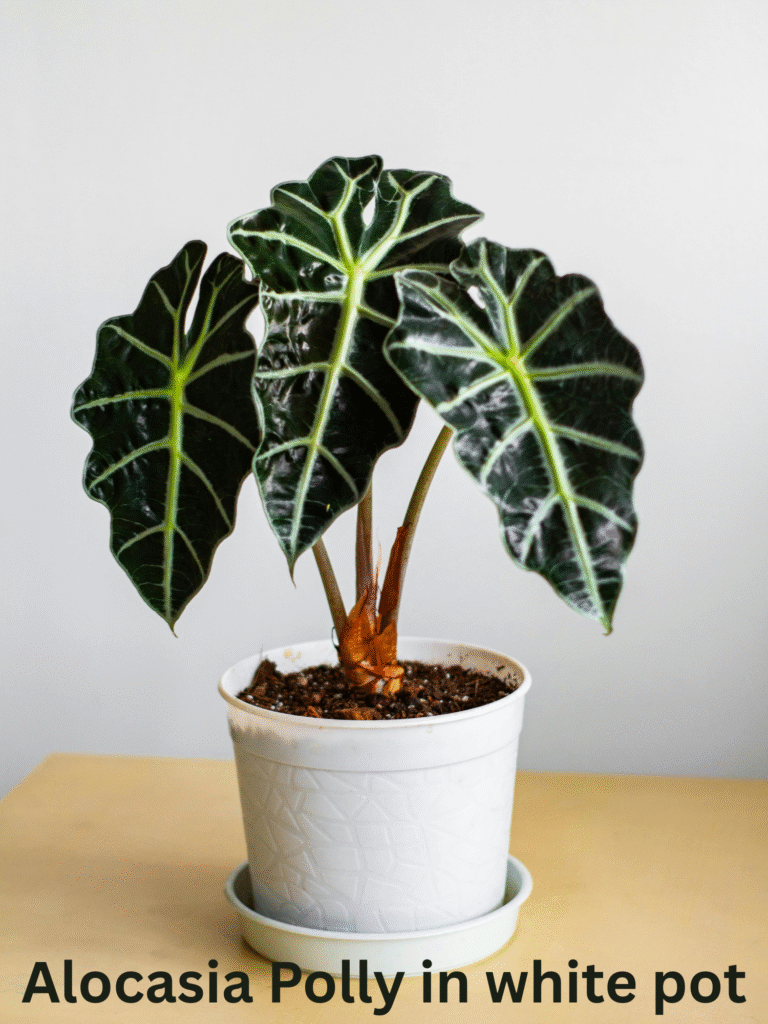
Alocasia Polly 🢃
The ultimate compact stunner for Aussie apartments. Alocasia Polly pushes out dark, arrowhead leaves with striking silvery-white veins, delivering maximum tropical impact without dominating your entire living room.
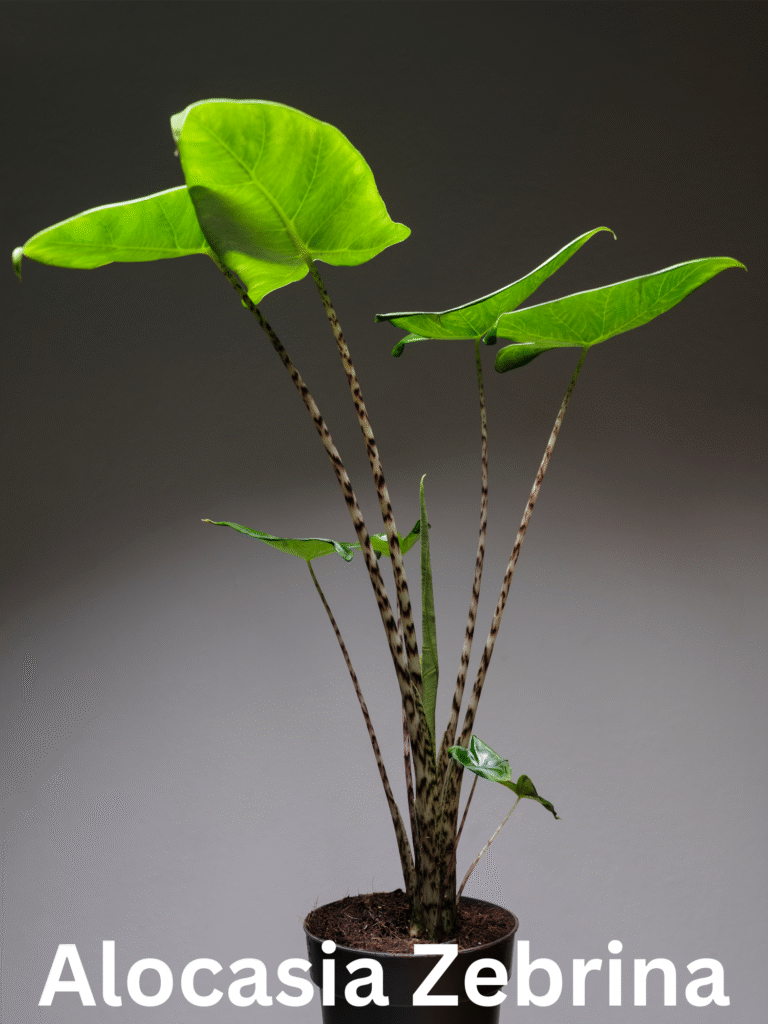
Alocasia Zebrina 🢃
It is all about the stems with this one. The Zebrina features bold, patterned stalks supporting upward-facing, shield-like leaves—a guaranteed conversation starter that brings an exotic, architectural edge to any bright indoor space.
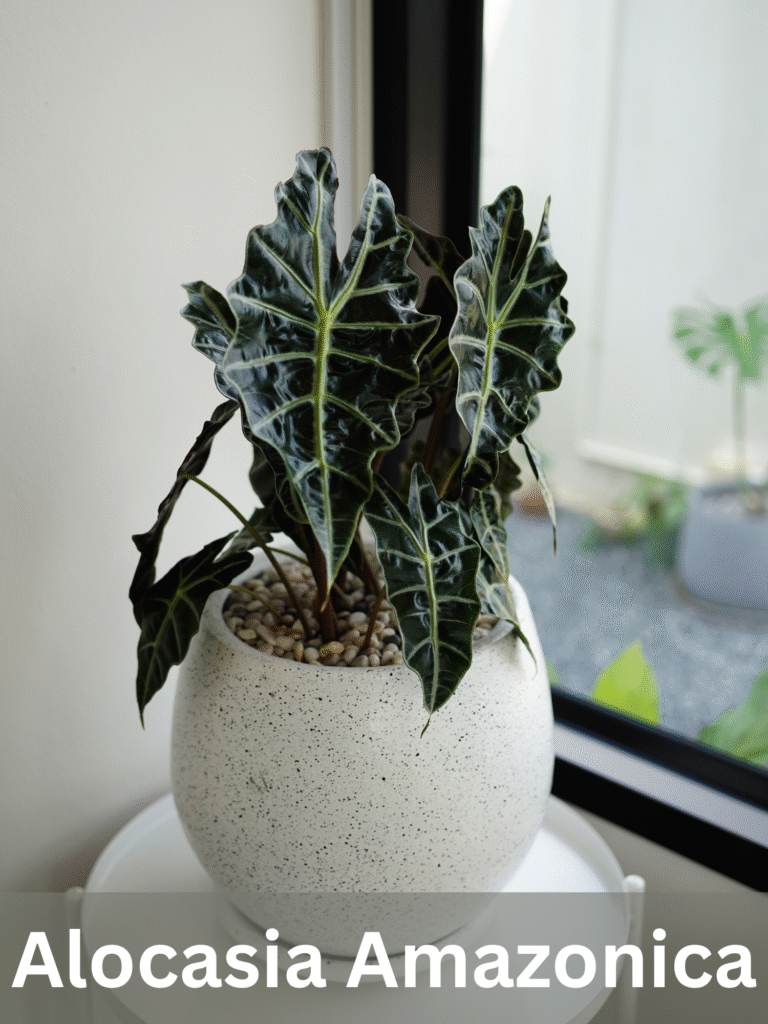
Alocasia Amazonica 🢃
Often called the “African Mask,” this dramatic variety is an absolute showpiece. Its deeply scalloped, glossy dark foliage looks incredible in modern homes and thrives in our naturally warm, humid coastal regions.
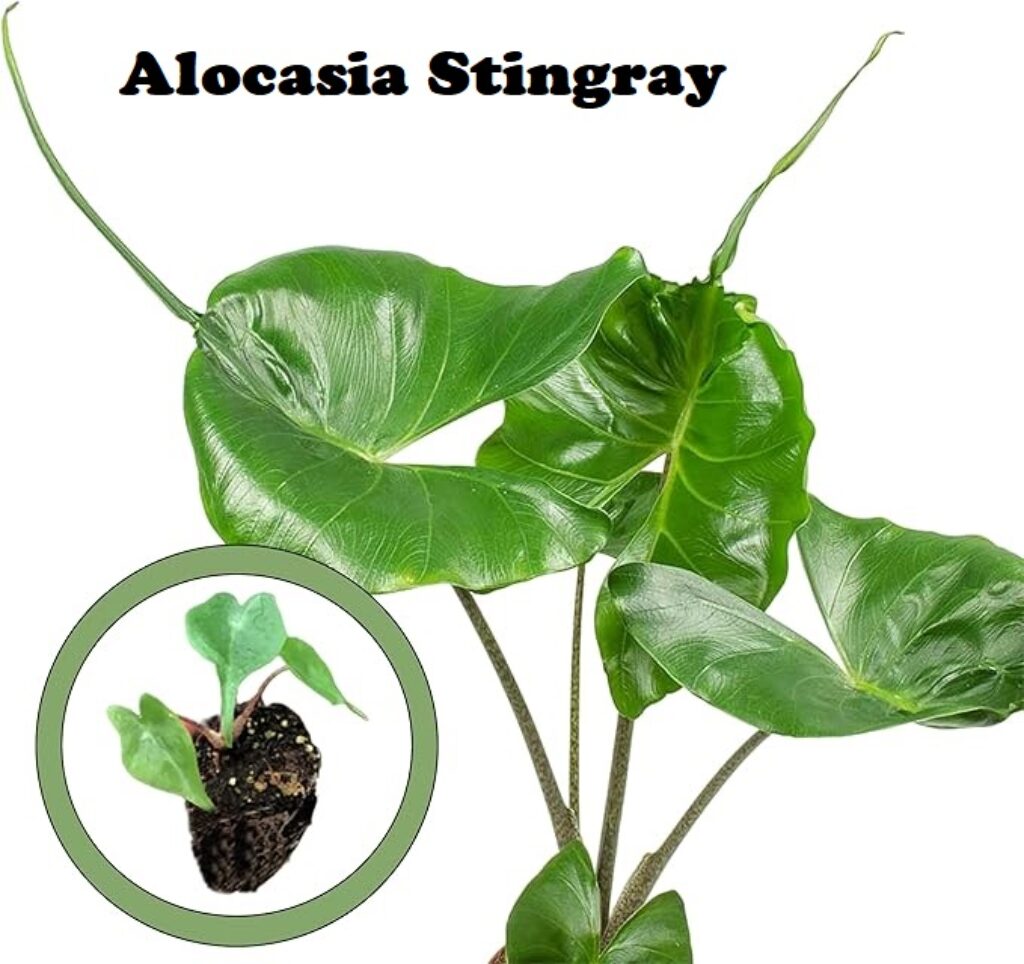
Alocasia Stingray
One of the most unique varieties you can get your hands on down under. The leaves perfectly mimic the shape of a gliding stingray, complete with a long, sweeping tail, making it a highly sought-after prize for serious local collectors.
Alocasia in Australia (“Elephant Ear”) is popular for its large, green leaves and has become a favourite for plant lovers everywhere.
With its striking appearance and unique characteristics, it is no surprise that this attractive plant is gaining popularity in homes and offices alike. Alocasia is an excellent choice to brighten up your space.ors.
Caring for Your Alocasia Plant
Despite its striking look, it is really easy to take care of this green plant. This is the reason Alocasia in Australia has a special place. Here’s how to keep your Alocasia thriving:
- Light: Alocasia plants love bright and indirect light. Excessive direct sunlight can burn its leaves; however, a little amount of light can cause its growth to slow down.
- Watering: Overwatering can cause waterlogging. Keep the soil slightly moist. It’s best to water your Alocasia thoroughly, but make sure the pot has good drainage to prevent waterlogging.
- Humidity: Alocasia thrives in humid environments. If you live in a dry climate, consider placing your Alocasia in a bathroom or using a humidifier to maintain the humidity levels around 60-80%.
- Temperature: Alocasia plants prefer warm temperatures, ideally between 18°C and to 29°C. Avoid placing them near drafts or air conditioning units, as they can’t tolerate sudden temperature fluctuations.
Troubleshooting Alocasias in Australia: Quick Fixes
Alocasias are dramatic plants, and in Australian homes they quickly show when something is wrong. The good thing is most problems are easy to fix once you identify the cause.
💧 Alocasia Watering Calculator
Select your Australian state to get a customised seasonal watering and humidity schedule.
…
…
…
Yellow or Mushy Leaves
This usually happens due to overwatering or soil that holds too much moisture. In many Australian homes, standard potting mixes stay wet for too long, leading to root stress or rot.
Fix:
Let the soil dry slightly before watering again. Make sure the pot has proper drainage and use a free-draining mix with bark and perlite instead of heavy soil.
Brown, Crispy Leaf Edges
This is common in hot Australian summers or homes with air conditioning. Dry indoor air and treated tap water can stress the leaves.
Fix:
Keep the plant away from direct AC or heater airflow. Increase humidity using a pebble tray or light misting. If possible, use rainwater or filtered water.
Long, Weak or Stretching Growth
When stems become long and thin, the plant is not getting enough light. This often happens in darker indoor corners.
Fix:
Move it closer to a bright window with indirect sunlight. Rotate the plant weekly so it grows evenly.
Leaf Drop in Winter
In cooler Australian regions like Victoria or Tasmania, Alocasias may slow down or lose leaves during winter. This is usually natural dormancy, not damage.
Fix:
Reduce watering and stop fertilising during winter. The plant will regrow when temperatures rise in spring.
Next Steps: Propagation & Styling
Once your Alocasia is stable, you can easily expand your collection.
Propagation:
The most reliable method is dividing the roots during spring repotting. Some varieties also produce small corms in the soil, which can be grown separately in moist moss.
Styling:
Alocasias work best in sheltered spaces. Indoors, they pair well with softer plants for a tropical look. Outdoors, they suit shaded patios or protected garden corners where they are safe from harsh sun.
The Final Verdict: Mastering Alocasia Care in Australia
If your Alocasia is dropping leaves, turning yellow, or slowing down, it doesn’t mean it’s dying. In most Australian homes, these changes are simply a response to watering habits, humidity levels, or seasonal dormancy.
The key to successful Alocasia care is simple: observe the plant and adjust its environment. Once you get the balance right—bright indirect light, well-draining soil, controlled watering, and adequate humidity—these plants become far more predictable and rewarding to grow.
Despite their reputation, Alocasias aren’t difficult. They just respond quickly to the wrong conditions—and just as quickly when you fix them.
Alocasia in Australia suits most Aussie homes—from humid Darwin to cosy Melbourne flats. Just remember:
“Bright light (no sunburn), chunky soil, and don’t over-love them with water!”
Ready to start? Join local plant groups (like “Lovers of Alocasia in Australia” on Facebook) to swap tips!
“Life’s better with Alocasias—big leaves, bigger vibes.”
FAQS
Why is my Alocasia turning yellow?
Yellow leaves are usually caused by overwatering or poor drainage. Let the top 5 cm of soil dry before watering, especially in winter.
How often should I water Alocasia in Australia?
Water only when the top 5 cm of soil feels dry. In summer, this is usually 1–2 times weekly. In winter, reduce to every 10–14 days.
What are signs of overwatering in Alocasia?
Yellow leaves, soft stems, and a musty soil smell indicate overwatering. Improve drainage and reduce watering.
Why are my Alocasia leaves drooping?
Drooping is caused by underwatering, low light, or stress. Check soil and move to bright indirect light.
Can I grow Alocasia outdoors in Australia?
Yes. Grow in shade in QLD/NSW. In cooler states, protect from cold and bring indoors in winter.
How do I increase humidity for Alocasia?
Use a pebble tray, group plants, or place near humid areas to prevent leaf browning.
Why are my Alocasia leaf tips turning brown?
Brown tips are caused by dry air or inconsistent watering. Increase humidity and water consistently.
How do I fix root rot in Alocasia?
Remove rotten roots and repot in fresh, well-draining soil. Avoid overwatering.
Do Alocasias go dormant in winter?
Yes, they slow growth and may lose leaves. Reduce watering and wait for spring growth.
What is the best soil for Alocasia?
Use a well-draining mix with coco coir, bark, and perlite to prevent waterlogging.
How much light does Alocasia need?
Bright indirect light is ideal. Avoid harsh direct sunlight.
How do I propagate Alocasia?
Divide rhizomes in spring and replant in moist soil with good drainage.
Are Alocasias toxic to pets?
Yes, they are toxic to cats and dogs. Keep them out of reach.
Why is my Alocasia not growing?
Low light, cold weather, or lack of nutrients can slow growth. Improve conditions.
How do I keep Alocasia healthy year-round?
Provide bright light, well-draining soil, moderate watering, and humidity.
Our in-depth Australian Alocasia guides — diagnosis and care, one topic at a time:
- Why Alocasia leaves turn yellow
- Dormancy & dying back (dormant, not dead)
- How to water Alocasia
- Best soil & potting mix
- Light requirements (indoor & outdoor)
- Propagation (corms & division)
- Why is my Alocasia drooping?
- Spider mites & pests
- Root rot: signs, rescue & prevention
- Alocasia vs Colocasia (elephant ears)


